

Sink Faucets: a Complete Homeowner’s Guide
Sink faucets control water flow in kitchens, baths, and laundry rooms. They look simple, yet they hold many small parts inside. A worn washer or a loose cartridge can cause drips and weak flow. This guide explains faucet types, common faults, and smart fixes. You will learn when a home fix works and when a pro should step in. Use it to pick, care for, and repair the faucets in your home.
What a Sink Faucet Does
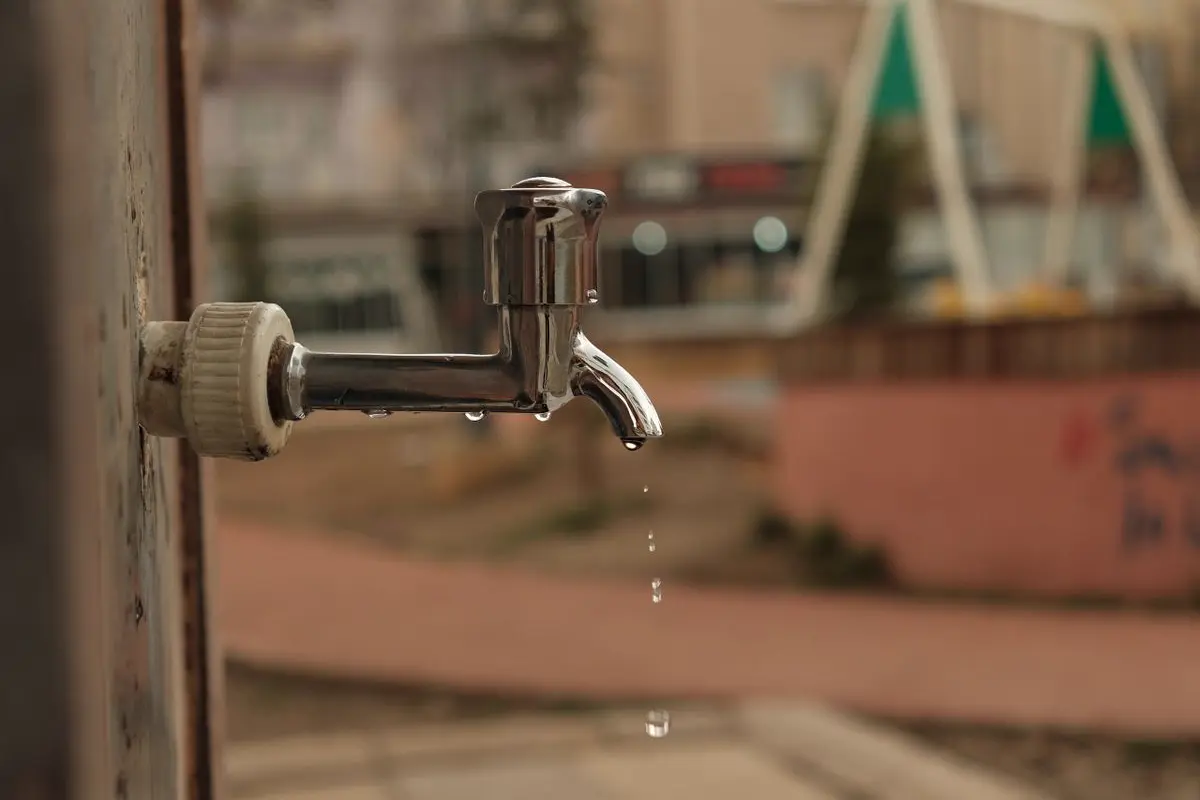
A sink faucet mixes hot and cold water into one stream. Valves inside the body open and close to set flow. Handles on the outside move those valves with each turn. An aerator at the spout tip shapes the stream. An aerator is a small screen that blends air with water. It cuts splashing and trims water use with no loss of feel. Supply lines under the sink feed water to the faucet.
Most faucets mount on the sink deck or the wall. Deck mounts sit on holes in the sink rim. Wall mounts sit on pipes that come through the wall. The hole count sets which models fit your sink. A one hole sink fits a single lever model with ease. A three hole sink fits models with separate handles. Check your hole count before you shop for a swap.
Faucets also set the look of the whole room. Finish, spout shape, and handle style change the feel fast. Chrome looks bright and cleans with a quick wipe. Brushed nickel hides water spots better than chrome. Matte black suits new baths and modern kitchens well. Pick a finish that matches your other fixtures for a calm look.
Common Types of Sink Faucets
Single handle faucets use one lever for heat and flow. Push the lever up to start water flow. Move it left for hot water and right for cold. These models suit small sinks and busy hands well. They need just one hole in the sink deck. Repair often means swapping one cartridge inside the body. A cartridge is a small unit that controls flow and heat mix.
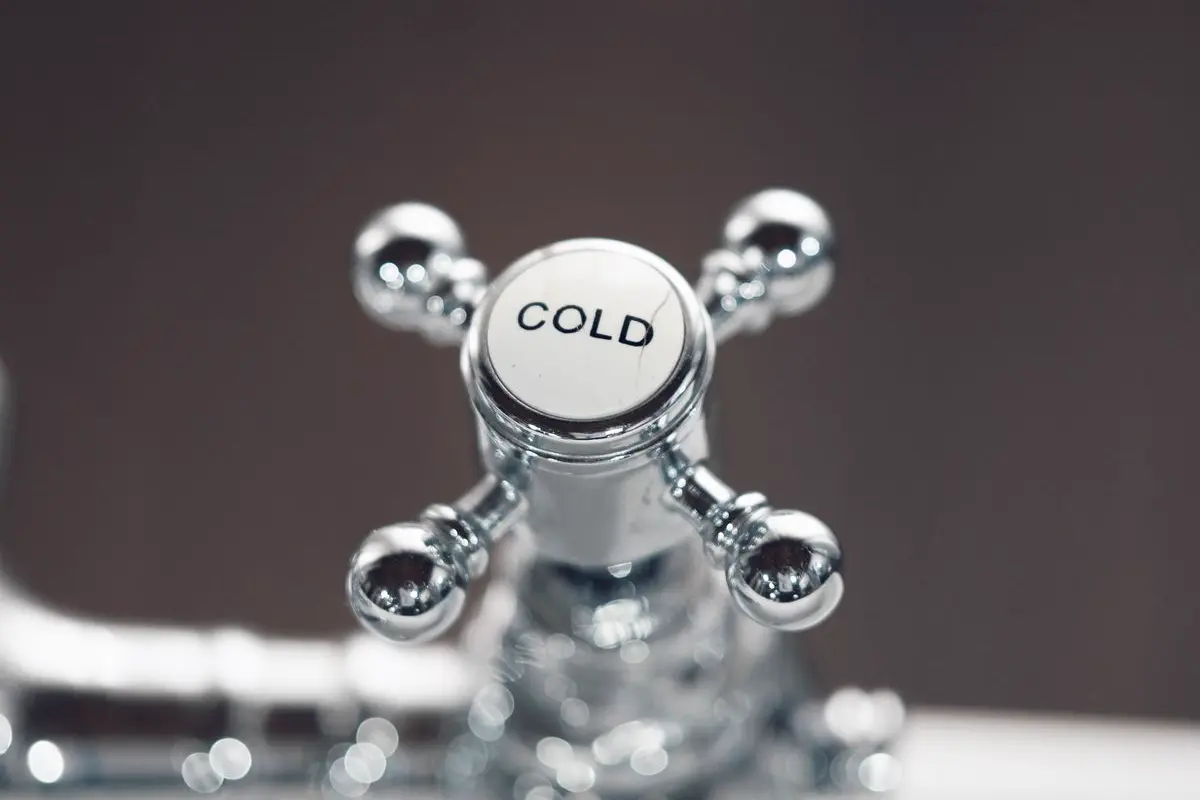
Two handle faucets use separate knobs for hot and cold. Each knob runs its own valve under the deck. They suit classic baths and wide sinks with three holes. They give fine control over water heat at each tap. Repair may mean new washers or new valve seats. A valve seat is the rim the washer presses to stop flow. Worn seats cause drips that new washers cannot stop.
Bridge faucets join two handles with a raised cross pipe. They suit farmhouse sinks and vintage style kitchens. The bridge pipe feeds mixed water to one spout. They need more deck space than most other models. Vessel faucets sit tall above bowl sinks in baths. Their height clears the raised rim of the bowl. Wall mount faucets free deck space and ease cleaning.
Parts You Should Know
The spout is the curved pipe that pours water out. Spout height sets how much room you have below. A tall spout suits large pots and deep sinks. A low spout suits shallow sinks and small baths. Swivel spouts swing side to side for wide sinks. Fixed spouts stay put and suit small sinks best. Pick spout reach to hit the drain, not the rim.
The cartridge or valve stem sits at the heart of the faucet. It opens and closes the water path with each move. Ceramic disc cartridges last long and turn with ease. Ball valves use a slotted ball to mix hot and cold. Compression valves use rubber washers that wear with time. Knowing your valve type helps you buy the right parts. Bring the old part to the store for a sure match.
Supply lines, shutoff valves, and mounting nuts sit under the sink. Supply lines are tubes that carry water to the faucet. Shutoff valves let you stop water to one fixture. Mounting nuts hold the faucet firm to the sink deck. A loose nut lets the faucet wobble with each use. Check these parts once a year for drips or rust. Early checks stop small leaks from harming cabinets.
Drips, Leaks, and Weak Flow
A drip from the spout often means a worn cartridge or washer. Shut off both valves under the sink first. Open the faucet to drain leftover water from the lines. Take the handle off and pull the cartridge out with care. Match it at a store before you buy a swap. A wrong cartridge can leak worse than the old one. Refit the new part and test for drips at once.
A leak at the base points to worn O rings or a loose nut. O rings are small rubber rings that seal joints. They dry out and crack after years of use. A base leak can rot the sink deck if left alone. Dry the area and watch where new water shows up. Tighten the mounting nut first with a wrench. Swap the O rings if the leak stays after that.
Weak flow often comes from a clogged aerator screen. Unscrew the aerator from the spout tip by hand. Rinse the screen and soak it in vinegar for an hour. Mineral scale is hard buildup from tap water minerals. Vinegar dissolves most scale with no harm to metal. Refit the aerator and test the flow again. If flow stays weak, the supply lines may need a pro check.
Cleaning and Daily Care
Wipe faucets dry after use to stop water spots. Soft cloths work best and will not scratch finishes. Skip harsh pads on chrome, nickel, and matte black. Harsh pads leave fine scratches that dull the shine. Use mild soap and warm water for most grime. Rinse well and dry with a soft towel after. Weekly wipes keep a faucet looking new for years.
Hard water leaves white crust on spouts and handles. Soak a cloth in vinegar and wrap it on the crust. Leave it for half an hour, then wipe it clean. Do not soak stone sinks in vinegar for long spells. Vinegar can etch some stone tops with repeat use. Test cleaners on a hidden spot before full use. Gentle care beats harsh scrubbing each time.
Teach the whole home to turn handles with care. Hard twists wear valves and seats much faster. A quarter turn should open most lever models fully. Do not hang heavy items from the spout or handles. Extra weight bends parts and loosens mounts fast. Small habits add years to a faucet life span. A calm hand is the best faucet tool you own.
When to Repair or Replace
Repair makes sense when the body and finish still look good. A new cartridge or washer costs little and takes little time. One drip fixed fast can save gallons each month. Repair also keeps a matching set intact in the room. If parts are easy to find, repair is the smart first move. Keep the brand and model notes for future part buys.
Replace the faucet when the body pits, cracks, or leaks inside. Pitting is small rough spots where the finish has failed. Internal cracks leak in spots you cannot reach or seal. Replace it when parts are no longer sold for the model. A swap also makes sense during a sink or counter change. New sinks may need a new hole layout or spout height. Match the new faucet to the new sink from the start.
Low water pressure across the whole home is a wider fault. It may come from old pipes or a main valve fault. A single weak faucet points to that faucet alone. Check the aerator and supply valves before you judge. If all taps run weak, call a local pro to check. A pro can test pressure and trace the cause fast. Our faucet repair page covers what a visit may check.
Choosing a New Sink Faucet
Start with fit, not looks, when you shop for a faucet. Count your sink holes and measure their spread. Spread is the gap between the outer holes. Standard spreads run four inches or eight inches wide. A wrong spread will not mount clean on your sink. Measure spout height and reach for your sink depth. A tall spout over a shallow sink splashes a lot.
Next, weigh valve type and ease of future repair. Ceramic disc valves last long and need few fixes. Compression valves cost less but need washer swaps. Check that parts sell widely for the brand you pick. A rare brand can leave you stuck at repair time. Ask how the handles come off for service access. Easy access saves time on each future fix.
Finish and style come last, once fit is set. Match the faucet to your sink, handles, and light tones. Brushed tones hide spots in hard water homes. Polished tones shine bright but show each drop. A pull down sprayer adds reach in deep kitchen sinks. Pull down sprayers suit cooks who rinse large pots. For kitchen work, our kitchen plumbing page has more tips. A sink installation pro can help when holes or lines change.
Install Basics for Homeowners
Shut off both supply valves before you touch any fitting. Open the old faucet to drain the lines fully. Snap a phone photo of the lines under the sink. The photo helps you refit lines in the right spots. Loosen mounting nuts with a basin wrench from below. A basin wrench reaches nuts in tight spots with ease. Lift the old faucet out and clean the deck well.
Set the new faucet gasket flat on the clean deck. A gasket is a soft seal that blocks leaks at the base. Feed supply lines through the holes with care. Tighten mounting nuts firm, but do not crush the gasket. Hook up hot to the left and cold to the right. Turn valves on slow and watch each joint for drips. Run water for a minute to flush dust from new lines.
Always shut off the valves under the sink before a repair. Open the faucet to drain the lines. This one habit stops most surprise floods.
Costs to Expect
Small parts like washers and aerators cost very little. Cartridges cost more, but still far less than a new faucet. A home repair with basic tools can stay cheap. A pro repair visit adds labor to the parts cost. National averages put a faucet repair visit at $120 to $300. A full faucet swap visit can run higher than that. Ask for clear price terms before any work starts.
High end finishes and sprayer models raise the parts cost. Wall mount models may need wall work that adds labor. Old seized nuts can slow a swap and add time. A pro should flag such risks before they start work. The Deston can connect you with an independent local plumber. That plumber can price your exact faucet and sink setup. Clear terms up front stop surprise costs at the end.
What Types of Sink Faucets Exist?
Main types are single handle, two handle, bridge, vessel, and wall mount. Each type fits a set hole count and sink style. Check your sink holes before you pick a type.
Why Does My Faucet Drip?
A drip most often comes from a worn washer or cartridge. Shut off the valves and swap the worn part. If drips stay, the valve seat may need a pro fix.
How Do I Fix Weak Flow?
Clean the aerator screen first, since scale clogs it fast. Soak it in vinegar, rinse it, and refit it. If flow stays weak, check the supply valves below.
When Should I Call a Plumber?
Call a pro for base leaks, cracked bodies, or whole home weak flow. A pro can also help when parts no longer sell for your model. Read our plumbing blog for more faucet and sink guides. The kitchen faucet guide dives deep on kitchen models. Our drain snake guide helps when a sink drain clogs too. For bath sinks, the bathroom plumbing page lists related services. The sprayer faucet guide covers pull down and pull out models. A faucet installation pro can fit a new model clean. For leaks under the sink, leak detection help can trace the source fast.
The Deston is a referral service that connects homeowners with independent local plumbers. We are not a plumbing company.
2 Comments
Comments are closed.