
Gas Line Repair
A damaged gas line is one of the few home problems that can turn deadly. Corrosion eats through old pipe. Joints loosen over decades. A nicked line from digging or renovation leaks silently until someone smells it. Gas line repair is urgent, licensed-only work. It cannot wait and it cannot be a DIY project.

If You Smell Gas Right Now, Stop Reading
Leave the house immediately. Do not flip any electrical switches. Do not light anything. Do not use your phone until you are outside. Call your gas utility or 911 from a safe distance. Then call us and we will connect you with a repair pro.
The Deston is a nationwide referral service. We connect homeowners across all 50 states with independent local plumbers who are qualified to find and fix gas leaks. We are not a plumbing company. We have no technicians of our own. When gas is involved, we move fast to match you with a nearby pro who does this work every week.
Never let price shopping delay a suspected leak. The immediate response, leaving the house and calling the utility, costs nothing. The repair pro gives an upfront price before work starts, once the home is safe to enter.
Signs You Need Gas Line Repair
Treat every whiff as real until proven otherwise. Small leaks grow, and gas accumulates in enclosed spaces.
Rotten-egg smell anywhere
This is the added odorant in natural gas. Treat every whiff as real until proven otherwise, and leave the house if the smell is strong.
Hissing near a gas line or appliance
Escaping gas makes a faint hiss at the leak point. If you hear it, leave and call from outside. Do not try to find it by hand.
Dead vegetation in a line outdoors
A patch of dead grass above a buried line can mark a leak. Gas in the soil starves roots and kills grass in a narrow strip.
Pilot lights that will not stay lit
Pressure problems from a damaged line can starve the pilot. A pilot that keeps dying deserves a gas check, not repeated relighting.
Appliances underperforming
A furnace or range that suddenly runs weak may not be getting full gas flow. Low flow can mean a partial blockage or a leak upstream.
Unexplained high gas bills
A slow leak burns money even when nothing is running. Compare bills with the same month last year before blaming the weather.
Visible corrosion on exposed pipe
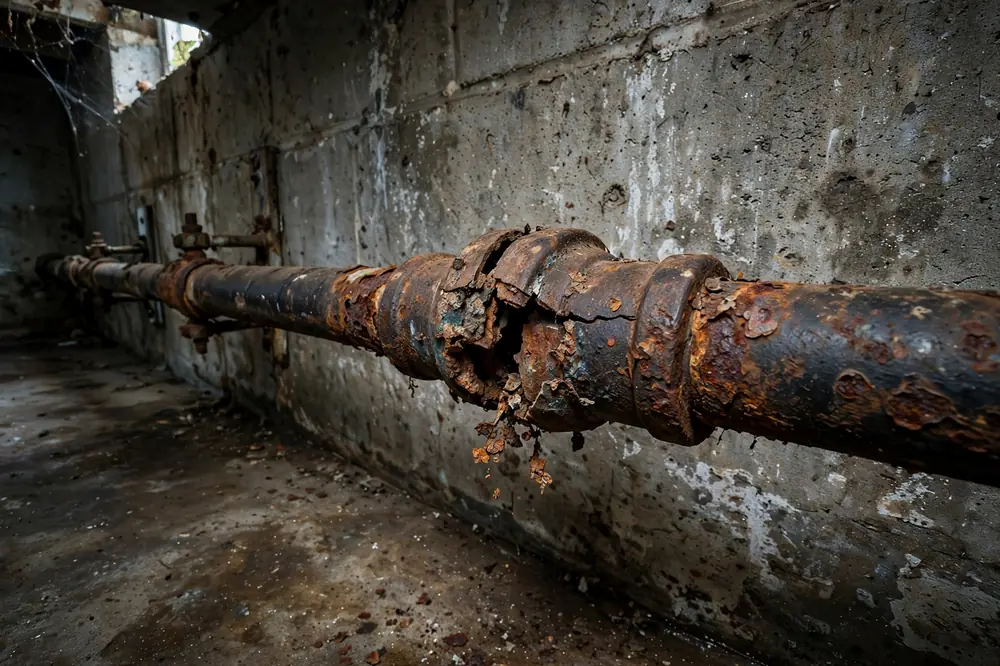
Rust and flaking on basement or exterior gas pipe is a warning. Corrosion thins the wall until a joint or section fails.
Physical damage from work
A nick from a nail, drill, or digging equipment compromises the line. Even a small nick can become a leak over time.
Headaches or nausea near appliances
Unexplained symptoms near a gas appliance, with no other cause, should be treated seriously. Leave for fresh air and call for help.

How Gas Line Repair Works
Guessing is not allowed with gas. Every step is checked before gas is restored.
- 1
Stay safe first
If you smell gas, leave and call your utility or 911 from outside. Only then call us at (888) 418-3086.
- 2
We match you urgently
We connect you with an independent local pro qualified for gas repair. Gas calls jump the queue.
- 3
Leak detection
The pro uses electronic detectors, pressure tests, and bubble solution to pinpoint the leak. They isolate sections of pipe to narrow the location before opening anything.
- 4
Upfront price
You get a clear quote for the repair, including any pipe replacement, before work starts.
- 5
Repair or replace
The pro cuts out the damaged section or replaces the run, using code-approved pipe and fittings. Every joint is sealed and tightened to spec.
- 6
Pressure test and inspection
The repaired line is pressure-tested and reinspected. Gas is restored only after the line holds pressure with zero drop.
Types and Options
The right fix depends on where the leak sits, how old the pipe is, and whether the pipe itself is sound.
Section replacement
Section replacement cuts out the damaged portion and splices in new pipe. This suits localized damage like a single corroded spot or one nicked joint. It is the most common repair.
Full line replacement
Full line replacement makes sense when pipe is old throughout. If one section corroded, the rest is often close behind. Replacing the whole run costs more now and prevents repeat emergencies.
Joint resealing
Joint resealing addresses leaks at threaded connections. The pro disassembles the joint, cleans the threads, applies fresh pipe dope or tape rated for gas, and reassembles. Quick, but only valid when the pipe itself is sound.
Valve replacement
Valve replacement fixes leaking shutoff valves at appliances or the meter. Old valves seize or weep. New quarter-turn ball valves are the modern standard.
CSST bonding upgrades
CSST bonding upgrades fix a specific hazard. Older CSST installs without proper bonding can be damaged by lightning. A pro adds the required bonding to bring the system to current code.
Underground line repair
Underground line repair handles buried pipe. The pro locates the line, excavates carefully, and replaces the damaged section with code-approved polyethylene. Tracer wire goes in so the new line can be found later.
Walk the Rest of the System
After the repair, ask the pro to walk the rest of your gas piping. One leak often means the system is aging as a whole. A quick visual check of exposed pipe, valves, and appliance connectors takes minutes and can catch the next problem before it starts.
Many pros also recommend a combustible-gas detector near the furnace and water heater as an extra layer of warning between inspections. Detectors do not replace a pro check, but they catch a leak at night when no one is smelling for it.
If the gas company shut off your service, service is restored after a qualified pro repairs the line and it passes inspection. Do not try to turn the meter back on yourself. The utility or the pro restores it once the pressure test passes.
Gas Pipe Materials, Permits, and Inspections
Most indoor gas lines use black steel pipe with threaded joints. Black steel lasts for decades when it stays dry, but it rusts in damp basements and crawl spaces. A pro checks the full run for rust, not just the spot that leaked, because corrosion rarely stops at one joint.
Corrugated stainless steel tubing, known as CSST, runs in flexible lengths with fewer joints. Fewer joints mean fewer leak points, and the tubing bends around framing without many fittings. CSST needs proper bonding to the home electrical ground, so a lightning strike does not damage it. Older CSST installs that lack bonding should be checked and upgraded by a qualified pro.
Buried gas lines use polyethylene pipe, which does not rust and flexes with soil movement. Polyethylene needs a tracer wire buried with it, so a locator can find the line later without digging blind. The riser where the buried line comes above ground gets a steel sleeve for protection against lawn tools and vehicles.
Permits and inspections are part of gas work in most areas. The pro pulls a permit, does the repair, pressure tests the line, and schedules an inspection before gas is restored. The inspector checks joints, supports, valve placement, and the pressure test result. Skipping the permit saves a small fee and risks a failed sale later, when a buyer inspection finds unpermitted gas work.
Ask your pro to show you the pressure test gauge reading and the inspection sign-off before you pay the final bill. A line that holds pressure with zero drop, with joints checked by bubble solution, is a line you can trust. Keep the permit and test paperwork with your home records, since future buyers and insurers often ask for it.
What Gas Line Repair Costs
These are national ranges, not quotes. The repair pro gives an upfront price before work starts. Call (888) 418-3086.
| Job | Typical range |
|---|---|
| Simple accessible repair: reseal a joint or replace a valve | $150 to $400 |
| Replace a damaged section of indoor pipe | $400 to $900 |
| Full line replacement | $1,000 to $2,500 |
| Underground repair with excavation, from | $1,000 and up |
Before and After: A Corroded Gas Line
The photos below are illustrations of the difference a proper repair makes. They are not photos of a real job.
 Before
 After
Frequently Asked Questions
What should I do if I smell gas?
Leave the house immediately. Do not flip switches, use phones, or light anything inside. Call your gas utility or 911 from outside. Do not go back in until professionals say it is safe.
Can I repair a gas line myself?
No. Gas repair requires a qualified pro, a permit, and a pressure test. DIY gas work is illegal in most areas and can cause fires or explosions.
How does the plumber find the leak?
Pros use electronic gas detectors, pressure-drop tests, and bubble solution on joints. They isolate sections of pipe to narrow the location before opening anything.
Will the gas company shut off my service?
If they find a dangerous leak, yes, and that is the right call. Service is restored after a qualified pro repairs the line and it passes inspection.
How long does a repair take?
Simple joint or valve repairs take an hour or two. Section replacements take half a day. Full replacements and underground work take one to two days plus inspection.
Is a small leak really dangerous?
Yes. Small leaks grow. Gas accumulates in enclosed spaces and can ignite from a single spark. There is no safe size for a gas leak.
Should I repair or replace an old gas line?
If the pipe is old and corroded in one spot, the rest is usually not far behind. A pro can advise, but full replacement often costs less than two separate emergencies.
What is the difference between repair and new installation?
Repair fixes existing lines. New runs for added appliances are a separate job. See our gas line installation page for adding lines to new appliances.
Can the same pro handle my other plumbing?
Often yes. Gas-qualified plumbers usually handle general pipe work too. See our plumbing installation page for what that covers.
What if I smell gas but the detector shows nothing?
Trust the smell and the pro, not one reading. Leave, call the utility, and let a qualified pro test the full system with pressure tests and detectors before you go back in.
More Gas and Emergency Help
Gas Line Installation | Emergency Plumber | Water Heater Repair | All Services
Gas Problems Do Not Improve With Time. Call After You Are Safe Outside.
The Deston serves homeowners across all 50 states with fast referrals to qualified local gas pros. If you suspect a leak, leave the house and call your utility or 911 first. Then call us for the repair.
(888) 418-3086 Call NowThe Deston is a referral service that connects homeowners with independent local plumbers. We are not a plumbing company.