
Plumbing Installation Services
New fixtures, new bathrooms, new kitchens, and whole new pipe systems all need correct installation. The Deston refers you to independent local plumbers who install plumbing the right way, to code, the first time, serving homeowners across all 50 states. Call (888) 418-3086 and we will connect you with a pro near you.
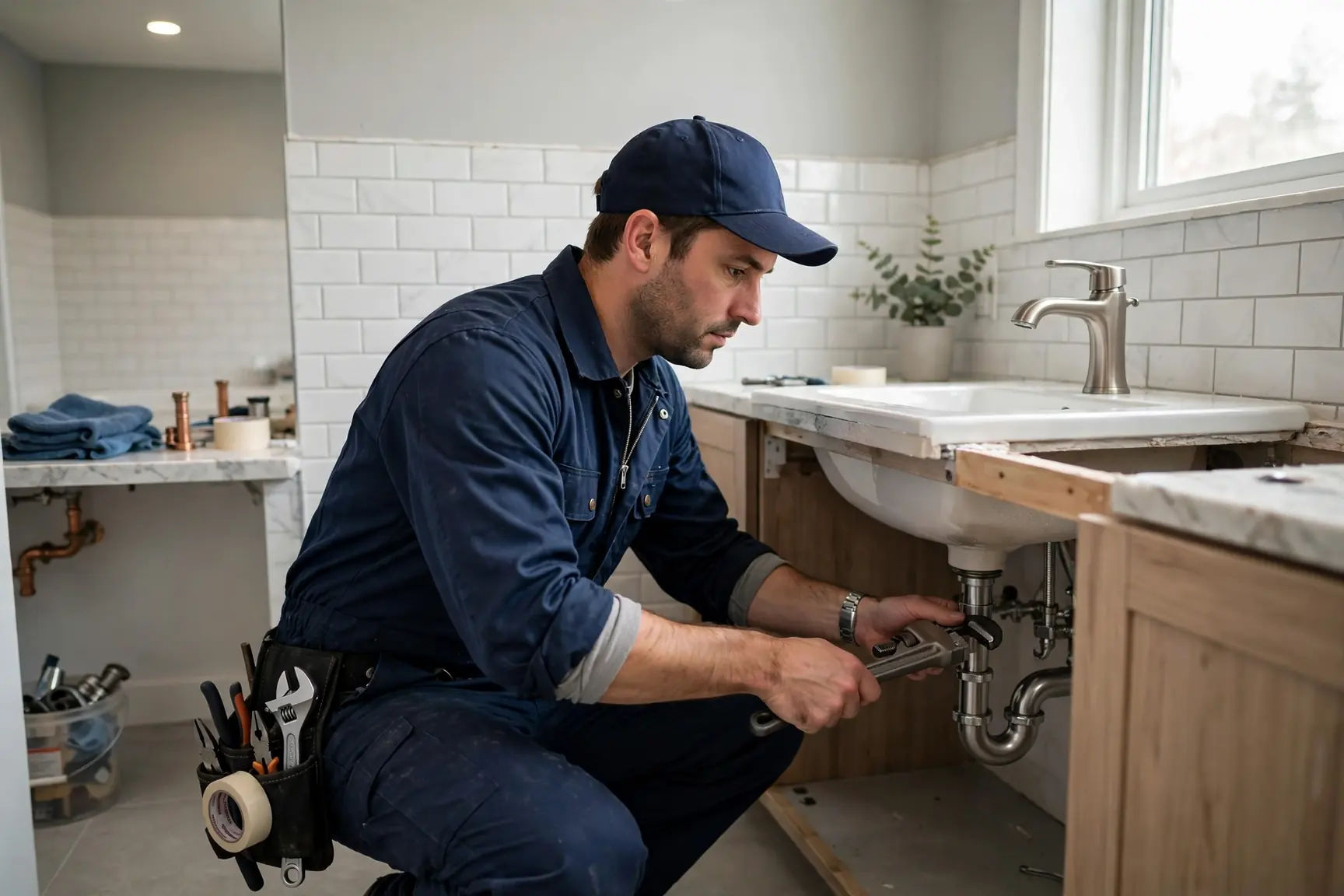
Plumbing Installation Done Right the First Time
We are a referral service, not a plumbing company. We have no install crews of our own. Our role is to hear what you want installed and match you with a local plumber who does that work well. The match is free. You pay the plumber for the installation.
Installation is where quality matters most. A fixture that is installed right lasts for decades with little trouble. One that is installed poorly leaks, wastes water, and can fail inspection. The pros we refer know local codes, size pipes correctly, and stand behind their work.
Installation is usually a planned project rather than a sudden problem. That planning is your advantage: fixture choices, pipe sizing, permits, and trade sequencing can all be settled before a wall closes or a floor goes down, which is when fixes get expensive.
Signs You Need Plumbing Installation
Common situations where you need a plumber to install something new.
You are remodeling a kitchen or bathroom
New fixtures, valves, or moved supply lines all need a pro to size, route, and test them.
You are adding a bathroom, wet bar, or laundry room
A new bathroom, wet bar, laundry room, or outdoor kitchen needs new rough-in plumbing before walls close.
Your old water heater died
You are switching to a new tank or tankless unit, with proper venting and connections.
You bought new fixtures
A farmhouse sink, a rain shower, or a smart toilet needs correct installation, not a guess at fit.
You are finishing a basement
Full plumbing roughed in for a bathroom and bar, with drains sized and vented right.
You want water-saving upgrades
Low-flow toilets, efficient showerheads, or a recirculation pump cut water use without cutting comfort.
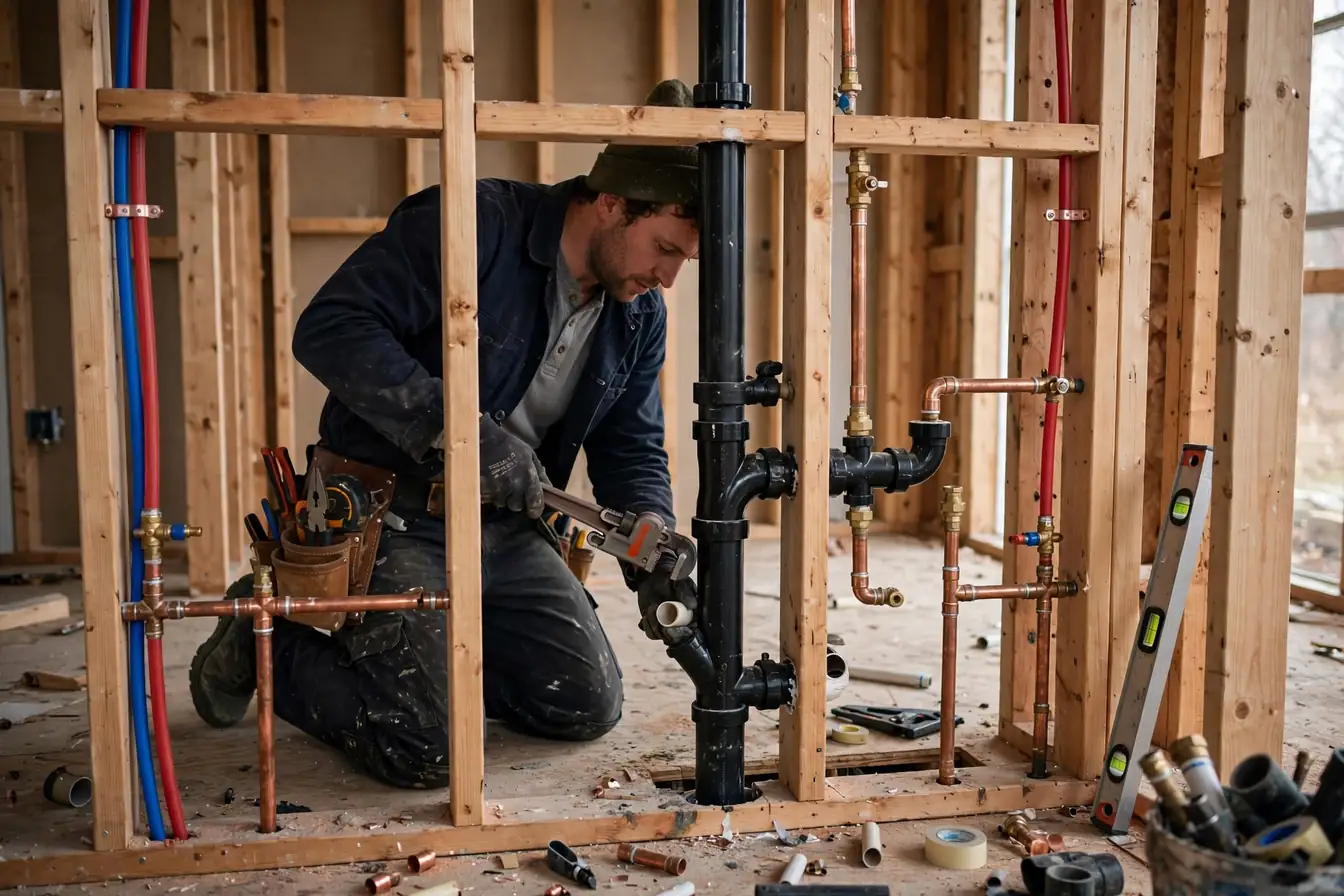
How Plumbing Installation Works
Call, match, plan, permit, install, test, inspect.
- 1
Call (888) 418-3086
Tell us what you want installed. Big projects benefit from a site visit, so mention the scope.
- 2
We refer you to a local pro
We refer you to an independent local plumber experienced with that type of installation.
- 3
The plumber reviews the job
The plumber reviews the job, discusses fixture and material choices, and gives you upfront pricing.
- 4
You approve the plan and price
You approve the plan and price. The pro pulls any needed permits and schedules the work.
- 5
The installation is completed
The installation is completed, tested, and inspected where required. You pay the plumber directly.
- 6
You keep the paperwork
Permits, inspections, and warranties go in your home records for the next sale.
Timing and Coordination Decide How Smooth an Install Goes
Timing and coordination decide how smooth an install goes. Rough-in work must finish before drywall, and finish fixtures go in after paint and tile. If you are remodeling, book the plumber early so their schedule lines up with the other trades. Delays cascade: a late rough-in pushes drywall, which pushes everything after it. A good installer gives you a clear sequence and sticks to it.
Material choices matter. PEX tubing is fast to install and resists freezing better than rigid pipe. Copper lasts a long time and handles heat well. PVC and ABS serve drains and vents. A good installer explains the trade-offs for your home instead of pushing whatever is easiest. For business properties, see commercial plumbing. If you are adding fixtures as part of a repair-heavy project, plumbing repair covers the fix side.
A standard new bathroom rough-in takes two to four days for one plumber, not counting inspections or the finish work by other trades. Larger projects with multiple bathrooms take longer. Moving a kitchen sink to the other side of the room is normal remodel work, and the cost depends on the distance and whether the plumber must cut into floors or walls. Get the quote before the remodel plan is final.
Plumbing Installation Types and Options
From a single fixture swap to a full rough-in.
Fixture installation
Sinks, faucets, toilets, showerheads, tubs, and bidets. These are the most common jobs and most finish in a single visit. Installing a standard toilet runs $200 to $450 in labor plus the fixture.
Appliance hookups
Dishwashers, ice makers, washing machines, and garbage disposals connected to water and drain lines safely, with shutoffs you can reach.
Water heater and rough-in work
Tank and tankless water heater installation, with proper venting, gas or electrical connections, and expansion tanks where code requires. Rough-in plumbing is the behind-the-walls work for new bathrooms, kitchens, and additions: supply lines, drain lines, and vent stacks installed before drywall goes up.
What Plumbing Installation Costs
Figures below are United States national averages for reference only. Your matched plumber should give you one clear price that lists labor, materials, and permit fees separately.
| Job | Typical range |
|---|---|
| Standard toilet, labor plus fixture | $200 to $450 in labor plus the fixture |
| New faucet installation, labor | $150 to $350 in labor |
| Water heater installation, tank unit incl. unit | $800 to $2,500 |
| Water heater installation, tankless incl. unit | $2,000 to $5,000 |
| Roughing in a new full bathroom | $5,000 to $15,000 depending on line distance |
| Basic toilet fixture alone | Under $200 |
| Smart toilet fixture alone | Over $2,000 |
Before and After: Plumbing Installation
An unfinished room becomes a finished bathroom when rough-in and finish work are done right.
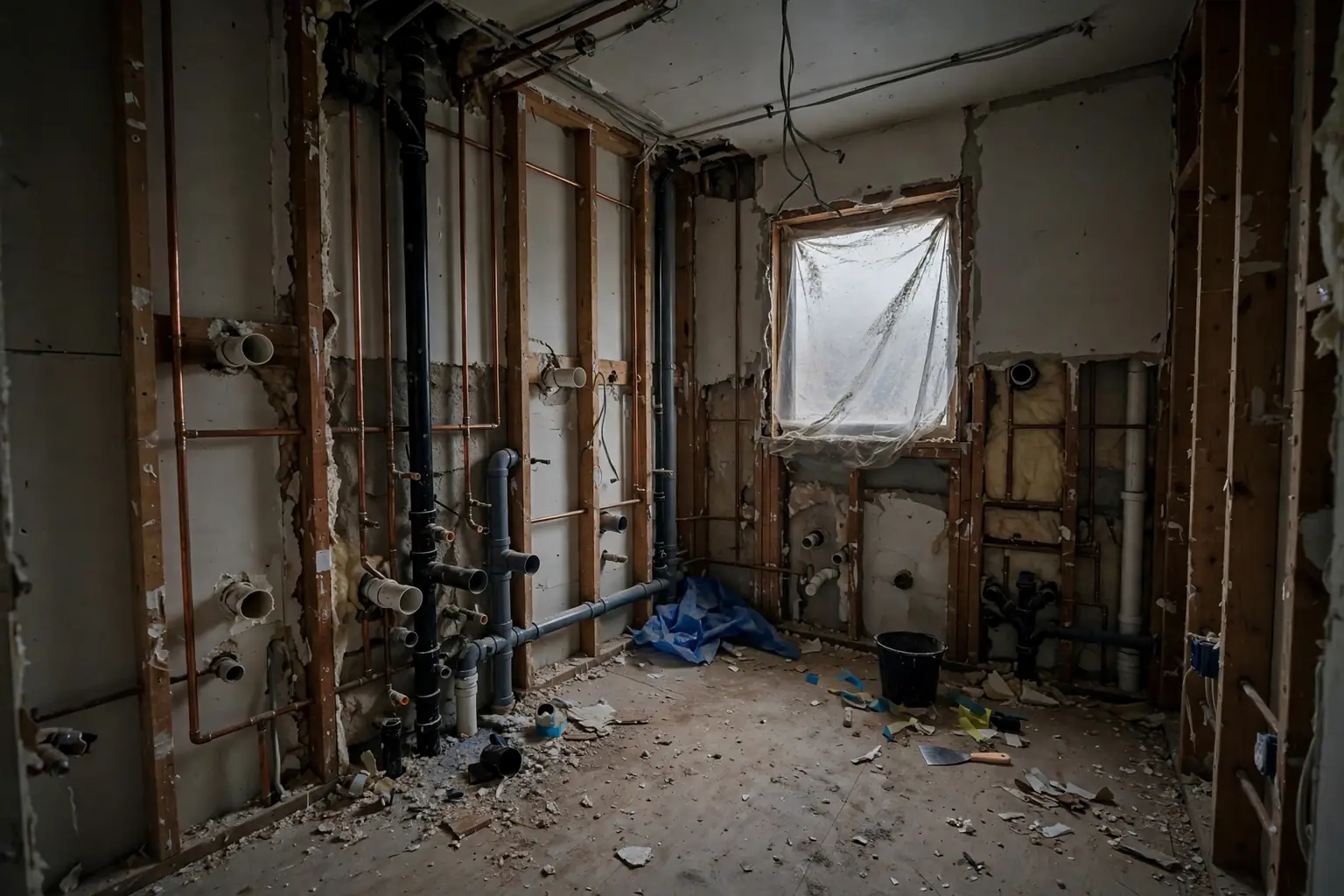 Before
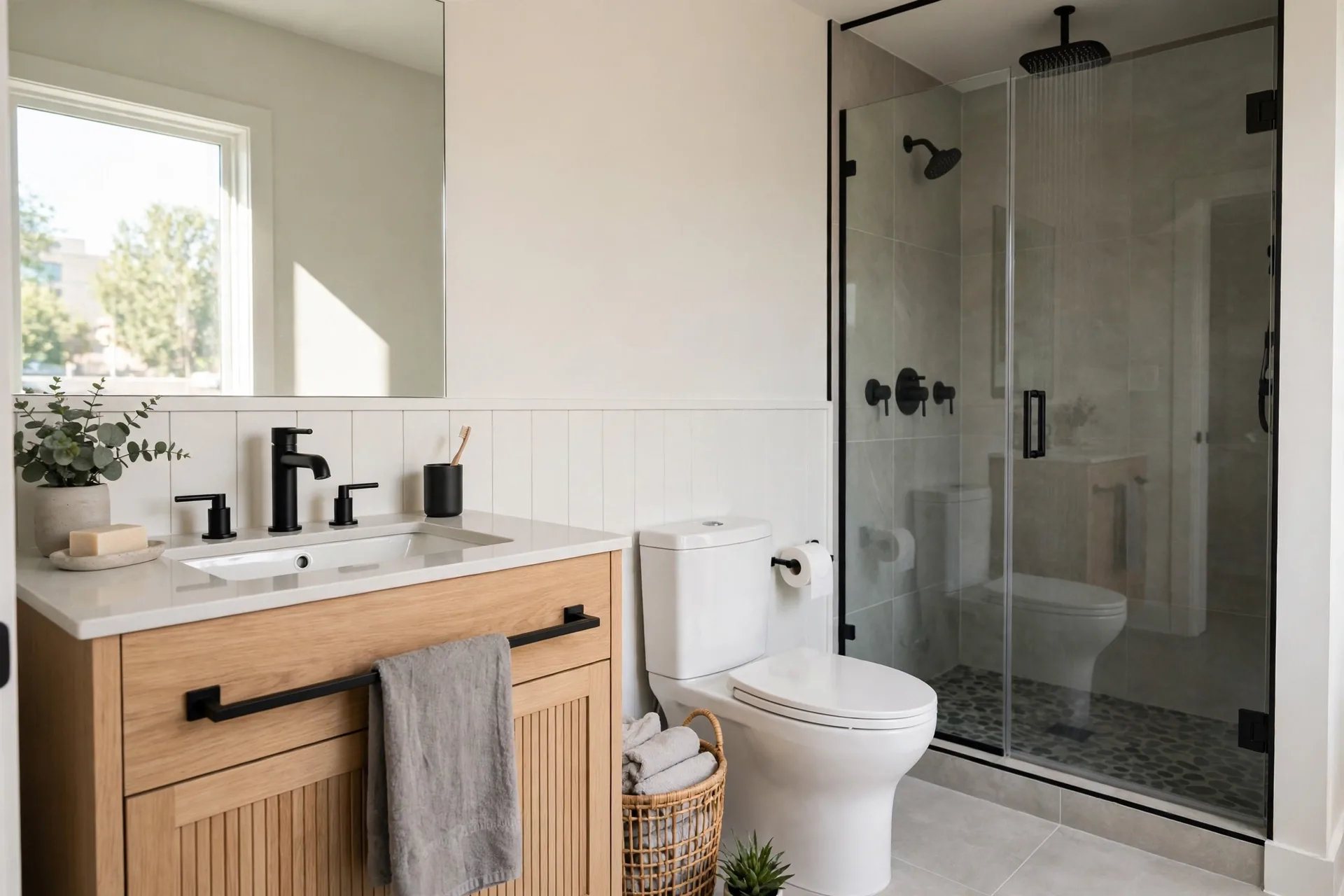 After
The photos above are illustrations that show the kind of change this work brings. They are not photos of a real job.
Planning a Plumbing Installation
Settle these before walls close and floors go down.
Book the plumber early. Rough-in must finish before drywall, and finish fixtures go in after paint and tile.
Settle fixture choices first. Confirm the exact model fits your plumbing before the appointment so the visit is not wasted.
Discuss who supplies fixtures. Plumbers often get trade pricing and know which brands hold up. Either works, but discuss it first.
Ask about permits. Most cities require permits for new rough-in work, water heater installs, sewer connections, and gas line work.
Ask about warranties in writing. Reputable plumbers warranty their labor, and manufacturers warranty the fixtures and equipment.
Keep permits and inspection records. Unpermitted plumbing can stall a home sale later, so file the paperwork with your home records.
Frequently Asked Questions
Do I need a permit for plumbing installation?
Most cities require permits for new rough-in work, water heater installs, sewer connections, and gas line work. Simple fixture swaps usually do not need one. Your plumber should know the local rules and handle the permit paperwork.
Should I buy the fixtures myself or let the plumber supply them?
Either works, but discuss it first. Plumbers often get trade pricing and know which brands hold up. If you buy your own, confirm the exact model fits your plumbing before the appointment so the visit is not wasted.
How long does a bathroom rough-in take?
A standard new bathroom rough-in takes two to four days for one plumber, not counting inspections or the finish work by other trades. Larger projects with multiple bathrooms take longer.
Is tankless worth it when replacing a water heater?
It depends on your hot water needs and budget. Tankless units cost more up front but last longer and save energy. They need proper gas line sizing or electrical capacity. Ask the installer to compare both options for your home.
Can a plumber move my kitchen sink to the other side of the room?
Usually yes. Moving supply and drain lines is normal remodel work. The cost depends on the distance and whether the plumber must cut into floors or walls. Get the quote before the remodel plan is final.
What is the difference between rough-in and finish plumbing?
Rough-in is the hidden work: pipes inside walls and under floors, installed before drywall. Finish plumbing is the visible work: setting toilets, sinks, faucets, and trim after the walls are done. Both need to be done right for the system to work.
Does installation come with a warranty?
Reputable plumbers warranty their labor, and manufacturers warranty the fixtures and equipment. Ask for both in writing. Labor warranties commonly run one year.
Is the referral really free?
Yes. The Deston charges you nothing for matching you with a local installer. You pay the plumber for the installation work only.
What installation types are most common?
Fixture installation covers sinks, faucets, toilets, showerheads, tubs, and bidets. These are the most common jobs and most finish in a single visit. Appliance hookups and specialty systems like water softeners, whole-house filters, sump pumps, and gas line extensions round out the rest.
What materials will my installer use?
PEX tubing is fast to install and resists freezing better than rigid pipe. Copper lasts a long time and handles heat well. PVC and ABS serve drains and vents. A good installer explains the trade-offs for your home instead of pushing whatever is easiest.
Can a plumber install a water softener or filtration system?
Yes. Specialty systems include water softeners, whole-house filters, and reverse osmosis units for better water quality, plus sump pumps, ejector pumps, and backwater valves for flood protection.
What does water heater installation include?
Tank and tankless units, with proper venting, gas or electrical connections, and expansion tanks where code requires. Tankless units need proper gas line sizing or electrical capacity, so the installer should compare both options for your home.
How does an installation visit end?
The installation is completed, tested, and inspected where required. You pay the plumber directly, and you should keep the permits, inspection records, and warranties with your home records.
Planning ongoing care too?
See plumbing maintenance, or schedule a check of existing lines with plumbing inspection. For business properties, see commercial plumbing. If you are adding fixtures as part of a repair-heavy project, plumbing repair covers the fix side.
What water-saving upgrades are worth installing?
Low-flow toilets, efficient showerheads, and a recirculation pump cut water use without cutting comfort. A recirculation pump also cuts the wait for hot water at distant fixtures, which saves the cold water you used to run down the drain while waiting.
Can a plumber add a sump pump or backwater valve?
Yes, flood protection installs include sump pumps, ejector pumps, and backwater valves. These are specialty systems, so tell us the scope up front: the pro may want a site visit to check grades, drains, and power before pricing the work.
More Plumbing Help
Bathroom Plumbing|Kitchen Plumbing|Water Heater Installation|Plumbing Maintenance|All Services
Start Your Project on Solid Ground.
One call connects you with a local pro who installs plumbing to code, with upfront pricing and permits handled. Call now.
(888) 418-3086 Call NowThe Deston is a referral service that connects homeowners with independent local plumbers. We are not a plumbing company.