Trenchless Sewer Repair
A broken sewer line does not have to mean a torn up yard. Trenchless repair fixes underground pipes through small access points. Your driveway stays intact. Your landscaping survives.
Fix the Pipe. Keep the Yard.
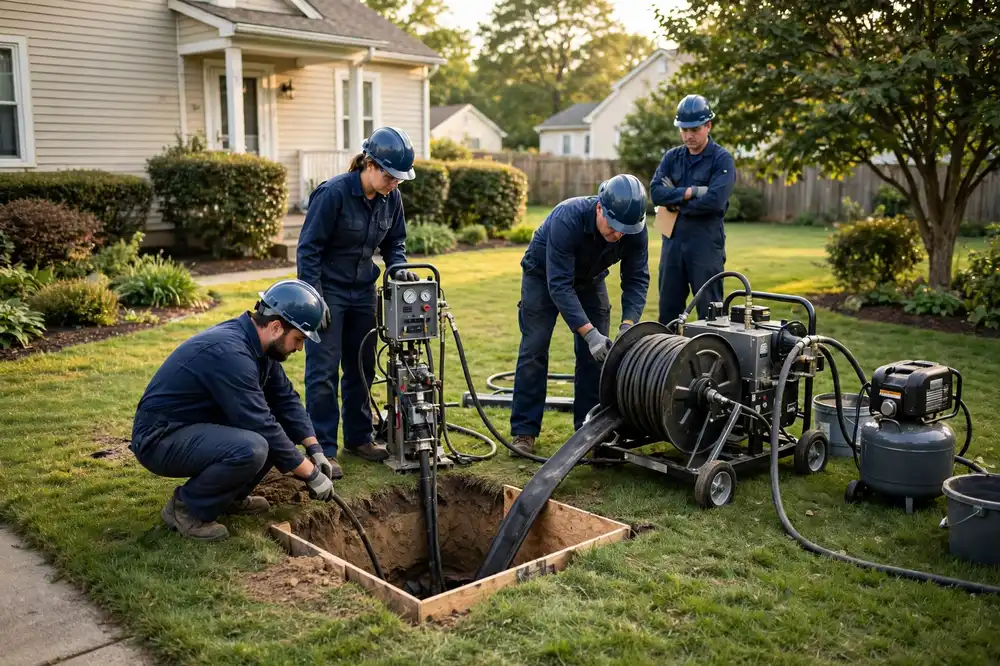
Trenchless sewer repair fixes underground pipes without a long open trench. The plumber works through small access points instead of digging from your house to the street. The job finishes faster, and the yard looks the same when the crew leaves.
The two main methods are pipe lining and pipe bursting. Lining builds a brand new pipe inside your old one. Bursting pulls a new pipe through while breaking the old one apart. Both create a smooth, jointless pipe that resists roots and lasts for decades.
Not every line qualifies. A sewer camera inspection decides that. The Deston connects you with a local pro who does this work regularly. They show you the footage and tell you straight whether trenchless fits.
Signs Trenchless May Be Right for You
Trenchless fits certain problems and certain properties best.
You dread the digging
A pool, patio, mature trees, or a new driveway sits over the pipe path. Trenchless avoids destroying what you paid good money to build.
Camera shows cracks and roots
Pipe lining seals cracks and joints from the inside. It fits lines that leak and clog but still hold their shape.
Pipe is crushed or undersized
Pipe bursting replaces the line completely and can even upsize it. The new HDPE pipe has fused joints that roots cannot enter.
You keep paying for root removal
Each cleaning costs money and the roots return. A jointless trenchless pipe ends the root cycle. There are no joints left to invade.
Time matters
Trenchless jobs often finish in one to two days. Traditional digs can stretch to a week with restoration. If you need your line back fast, trenchless wins.
The line runs under structures
Pipes under garages, additions, or retaining walls are brutal to reach by digging. Trenchless methods work around these obstacles.
Inspect, Prepare, Install, Verify
The steps differ by method, but the flow is the same.
- 1
You call
Dial (888) 418-3086. Trenchless needs specific equipment and training, so we connect you with a local pro who does this work regularly.
- 2
Camera inspection and cleaning
The plumber cameras the line, then cleans it, often with hydro jetting. Lining and bursting both need a clear path to work.
- 3
Method and written quote
Lining or bursting, with the reasons why. You approve a written quote that covers the method, materials, and warranty before work starts.
- 4
Small access pits
One or two small pits, usually 4 by 4 feet, give entry to the line. Compare that to a trench the full length of your yard.
- 5
Install the new pipe
For lining, a resin soaked tube goes in and hardens into a smooth pipe. For bursting, a head breaks the old pipe outward while pulling new HDPE pipe behind it.
- 6
Verify and warrant
The plumber cameras the finished line, reconnects it to your system and the city main, backfills the pits, and hands you warranty paperwork.
What the Camera Inspection Shows
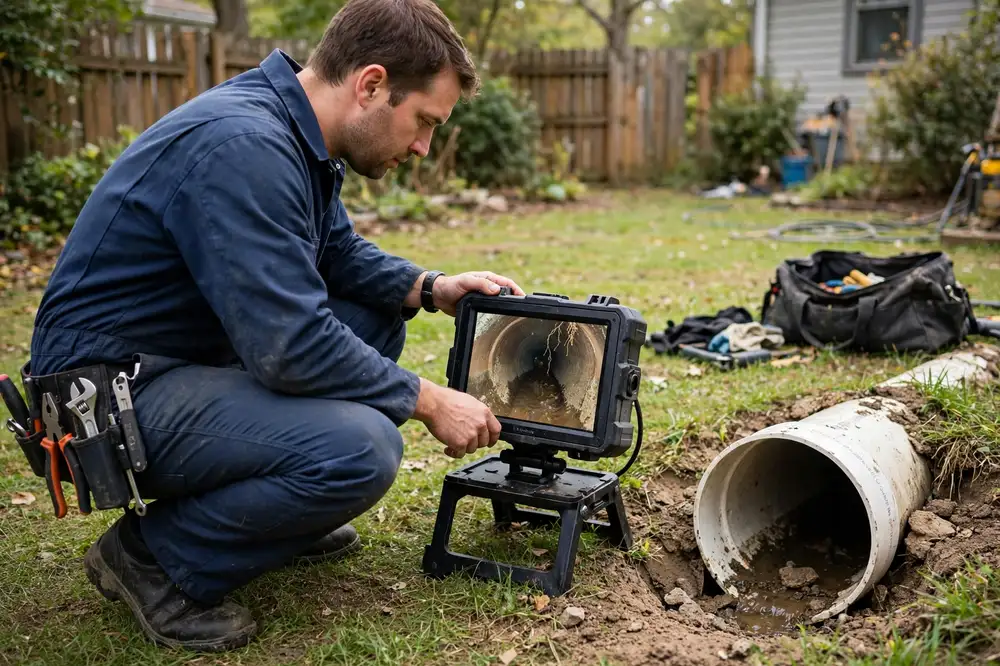
Every trenchless job starts with a camera. The pro feeds a small waterproof camera on a flexible cable through a cleanout and watches the inside of your pipe live. The footage is recorded, so you can see the same picture the pro sees.
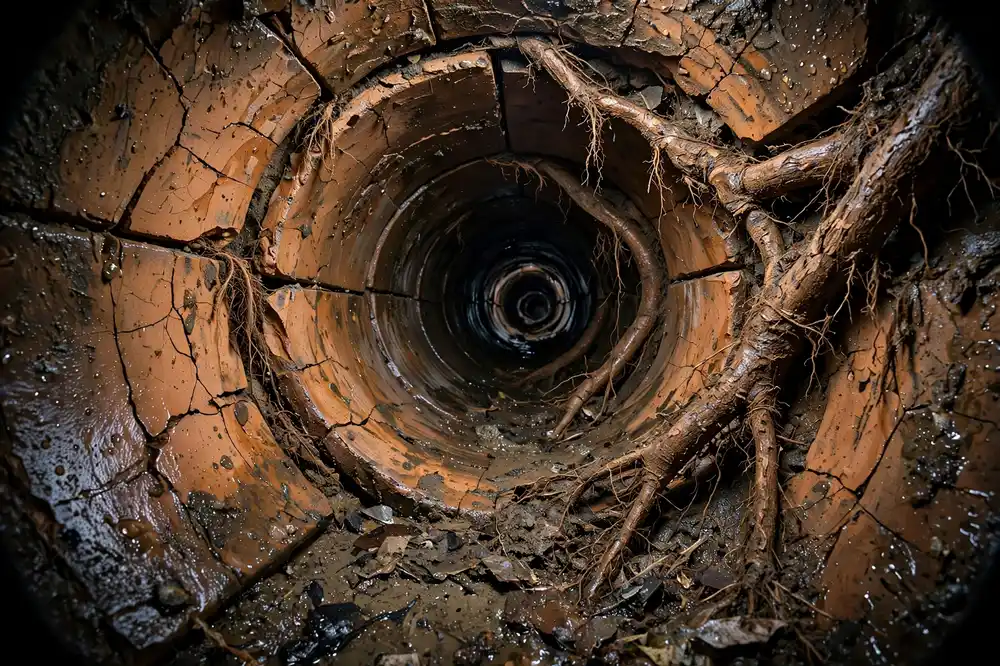
The camera reveals cracks, open joints, and root masses. It shows bellies, which are low spots where waste pools. It shows offsets, where pipe sections shifted apart. It shows collapsed areas, the pipe material, the diameter, and the depth and path of the line.
This picture picks the method. Lining needs a pipe that still holds its shape. Bursting needs room to pull and soil that accepts fragments. Without the camera, any recommendation is a guess. Ask to watch the footage and ask the pro to explain what each defect means for your options.
Three Trenchless Methods
Your pro picks the method that fits your pipe, your soil, and your access.
Cured-in-place pipe (CIPP) lining
The most common trenchless method. A felt or fiberglass liner soaked in epoxy resin hardens inside the old pipe. It seals cracks, stops leaks, and blocks roots. Best for pipes that are damaged but still round and in place.
Pipe bursting
Replaces the pipe entirely. A cone shaped head fractures the old pipe and drags new HDPE pipe in behind it. Best for collapsed, crushed, or undersized lines. It can increase pipe diameter, which lining cannot.
Spot lining
A short liner patches one bad section instead of the whole run. Cheaper than full lining when damage is isolated. Ask your pro if your line qualifies.
When digging wins: a pipe with a major sag, a severe offset, or a full collapse in a bad spot may not line or burst well. Back to back 90 degree bends can block the equipment. An honest pro tells you when digging is the better call. See sewer line replacement for the traditional route.
Trenchless vs. Traditional Digging
Both methods fix the pipe. They differ in what happens to your property, how long the job takes, and what the final bill includes.
| Factor | Trenchless | Traditional dig |
|---|---|---|
| Yard and surfaces | Small pits, backfilled after | Trench the full length of the run |
| Time on site | Often one to two days | Often a week with restoration |
| Cost picture | Higher per foot, lower restoration | Lower per foot, higher restoration |
| New pipe life | 50 years or more for a proper liner | Depends on the new pipe material |
| Best when | Line runs under driveways, patios, trees | Line runs under plain grass, or damage rules out trenchless |
Before and After: Trenchless vs. Digging
Two views of the same problem. The photos below are illustrations of the difference trenchless makes.
Inside the pipe
 Before
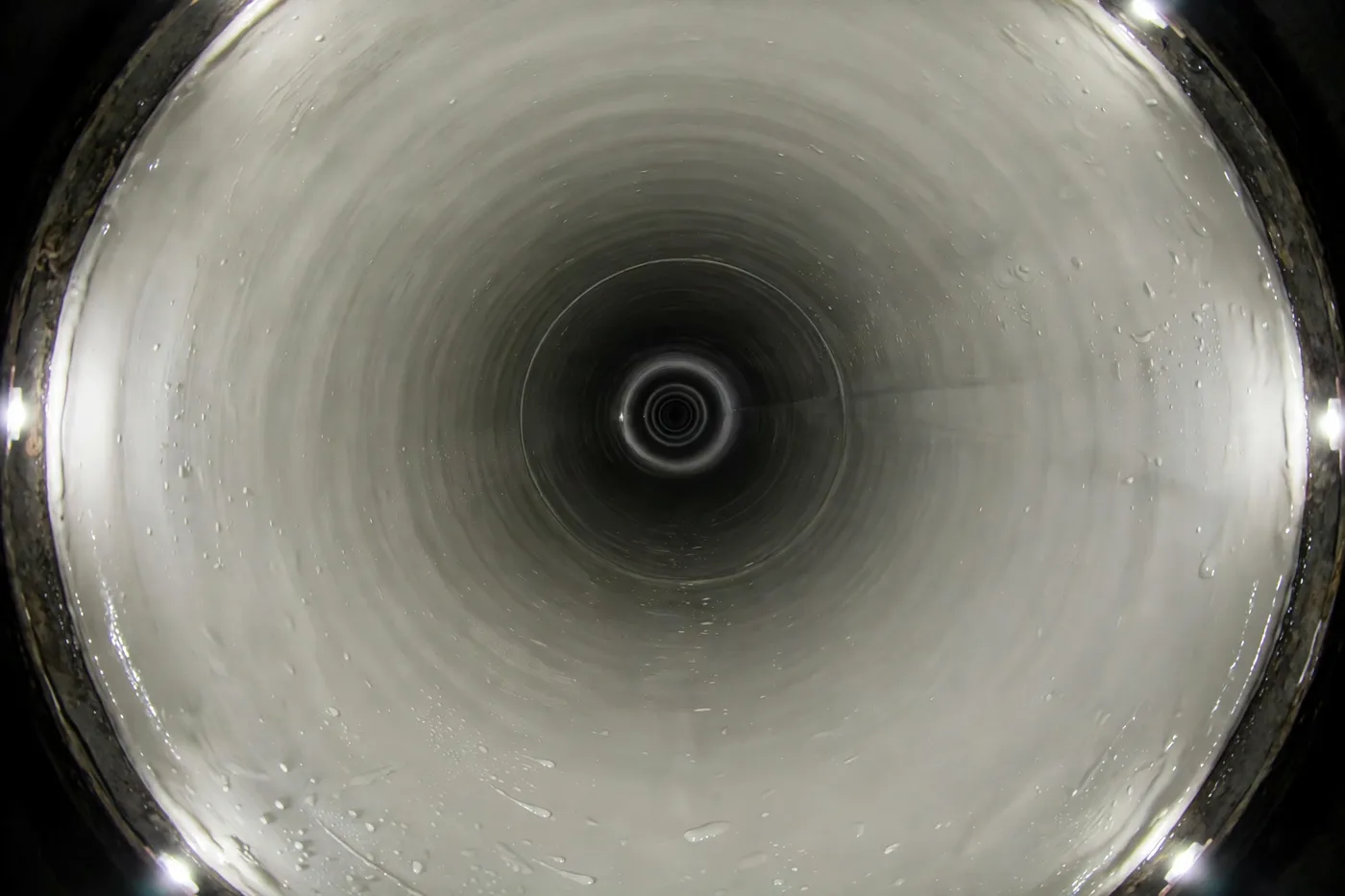 After
Your yard
 Before
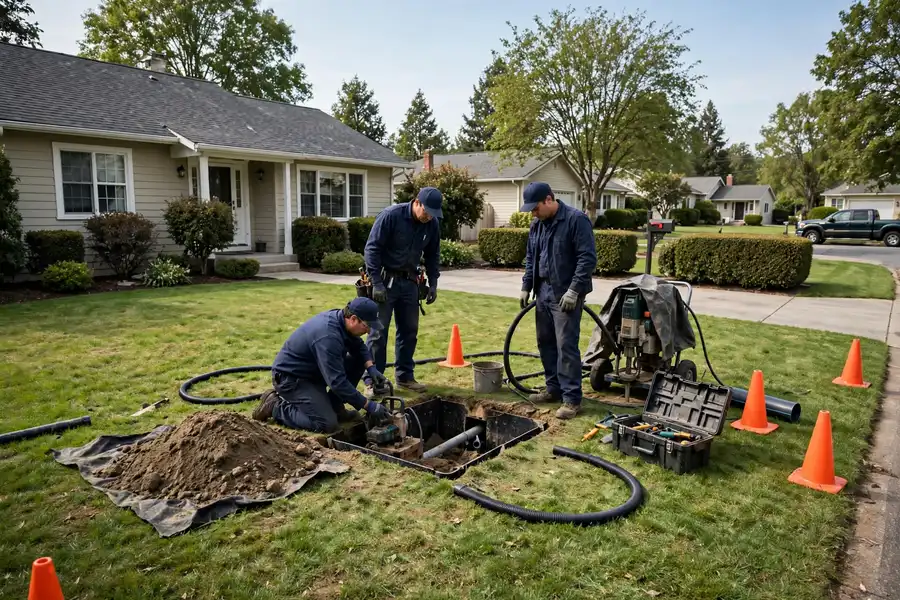 After
What Trenchless Repair Costs
Trenchless costs more per foot than open trenching but often less overall once you count restoration. Typical United States ranges:
| Job | Typical range |
|---|---|
| Pipe lining (CIPP) | $80 – $250 per foot |
| Typical home line, lining | $6,000 – $12,000 |
| Pipe bursting | $60 – $200 per foot |
| Typical home line, bursting | $4,500 – $10,000 |
| Spot lining, one section | $3,000 – $5,000 |
| Camera and cleaning prep | $300 – $800 |
Preparing for Your Trenchless Job
A little prep on your side keeps the job day smooth.
Clear the access areas. Move items away from cleanouts, gates, and the spots where pits will go. The crew needs room for equipment and hoses.
Know your cleanout spots. If you know where they are, point them out. If not, the pro will find them.
Plan the dry window. Avoid drains for part of one day. Fill some jugs. Hold off on laundry until the pro says the line is back in service.
Mention private lines. The pro arranges official utility marking. Tell them about sprinkler lines, invisible fences, or any private wiring you know about.
Stay reachable. You do not need to watch all day. But keep your phone on. The camera can find surprises that need a quick decision.
Keep pets and kids clear. Pits, hoses, and equipment make the work area unsafe for wandering. A closed room or a neighbor visit works well.
Frequently Asked Questions
How long does trenchless pipe lining last?
A properly installed CIPP liner lasts 50 years or more. The cured resin forms a hard, smooth pipe that resists roots, corrosion, and chemicals. Many liner makers offer 50 year material warranties. The installation warranty from your plumber is separate, so ask about both. Lining fails early only when the install is rushed: poor cleaning, bad resin mix, or curing cut short.
Does pipe lining reduce the pipe diameter?
Slightly. The liner sits inside the old pipe, so the inner diameter shrinks by a small amount, often less than a quarter inch. In practice this does not hurt flow. The new surface is far smoother than the old corroded pipe, so waste moves faster. Most lined pipes drain better than before the job. If your line is already undersized, pipe bursting is the better choice because it can install a larger pipe.
Can trenchless repair handle tree roots?
Yes, and it is one of the best reasons to choose it. Both lining and bursting create a jointless pipe. Roots enter pipes through joints and cracks. With no joints and no cracks, roots have nowhere to get in. The pro first clears the existing roots so the liner or bursting head has a clean path. After the job, the root problem is over for that line. Just avoid planting new trees directly over it.
Is trenchless repair always cheaper than digging?
Not always. The per foot price of lining or bursting is higher than open trench pipe laying. The savings come from avoided restoration: no new driveway section, no re sodding, no rebuilt patio. On a line under plain grass, a traditional dig can be cheaper overall. On a line under a driveway, pool deck, or mature landscaping, trenchless usually wins by thousands. Get both numbers from your plumber with restoration included. Then compare apples to apples.
How do I know if my line qualifies for trenchless?
A camera inspection decides it. The plumber looks for the pipe’s shape and condition. Lining needs a pipe that is mostly round and continuous. A severe belly, a fully collapsed section, or a major misalignment can disqualify it. Bursting needs enough room to pull the new pipe and soil that will accept the fragments. Sharp bends and nearby utility lines can rule it out. Be wary of any pro who recommends trenchless without looking first.
Will I have water during trenchless repair?
Plan for a dry window. During lining, the line must stay unused while the resin cures, often 4 to 12 hours depending on the cure method. During bursting, the line is disconnected while the new pipe is pulled and reconnected. Most jobs need you to avoid drains for part of one day. Your plumber will give you the exact no use hours. It is far shorter than the downtime of a traditional dig.
Does trenchless work require a permit?
Yes, in most cities. The connection to the public sewer still gets inspected even when the method is trenchless. Your plumber pulls the permit and schedules the inspection as part of the job. Fees are the same as for traditional work. Any contractor who offers to skip the permit is cutting corners elsewhere too.
How long does a trenchless job take?
Most jobs finish in one to two days. Lining adds a cure window of 4 to 12 hours with no drain use. Bursting disconnects the line while the new pipe is pulled and reconnected. Backfilling small pits is quick. A traditional dig with full restoration often takes a week.
Will my yard and driveway really be untouched?
Mostly yes, with one honest caveat. The crew digs one or two small pits and backfills them. Grass over a pit may need reseeding. Driveways, patios, and trees over the pipe path stay in place. That is the whole point of the method.
What pipe materials can be lined or burst?
Lining works inside most existing materials, including clay, cast iron, PVC, and concrete, as long as the pipe still holds its shape. Bursting replaces the old pipe outright, so the old material matters less. The camera inspection confirms which method your line accepts.
Do I need to be home during the work?
You need to be there at the start for access and the quote. After that, most pros work without you on site. Keep your phone on in case the camera finds something unexpected. Your pro will tell you exactly what they need from you.
What warranty should I expect?
Two warranties exist. The liner maker often covers material for 50 years. The plumber covers installation separately, for a shorter term. Ask for both in writing before work starts.
More Sewer Help
Hydro Jetting | Sewer Camera Inspection | Sewer Line Replacement | All Services
Your Yard Does Not Have to Be the Price of a Fixed Sewer Line.
If your line qualifies, trenchless repair fixes it with barely a mark on the surface. Call now and we will connect you with a local trenchless specialist for a camera look and an honest quote.
(888) 418-3086 Call NowThe Deston is a referral service that connects homeowners with independent local plumbers. We are not a plumbing company.