One Call Connects You to a Local Plumber
The Deston is a free referral service. Tell us what is wrong. We connect you with an independent local plumber who can fix it. Fast.
Plumbing Help for Every Problem
From 2 a.m. emergencies to planned upgrades. One call reaches a local pro for any of these.
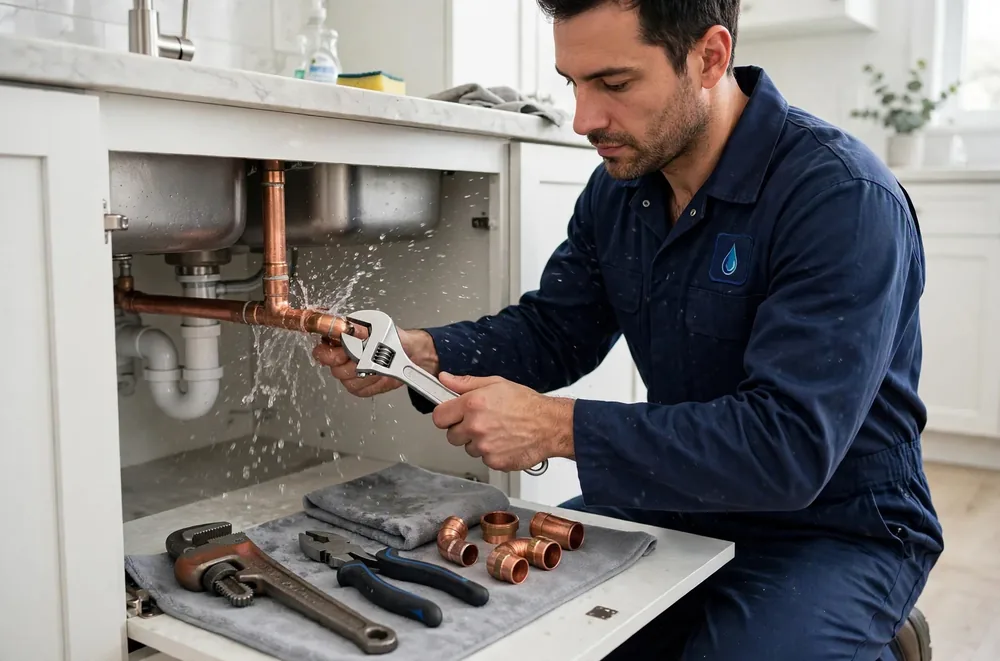
Emergency Plumber
Burst pipes, major leaks, sewage backups. Get connected to help right away, day or night.
Get emergency help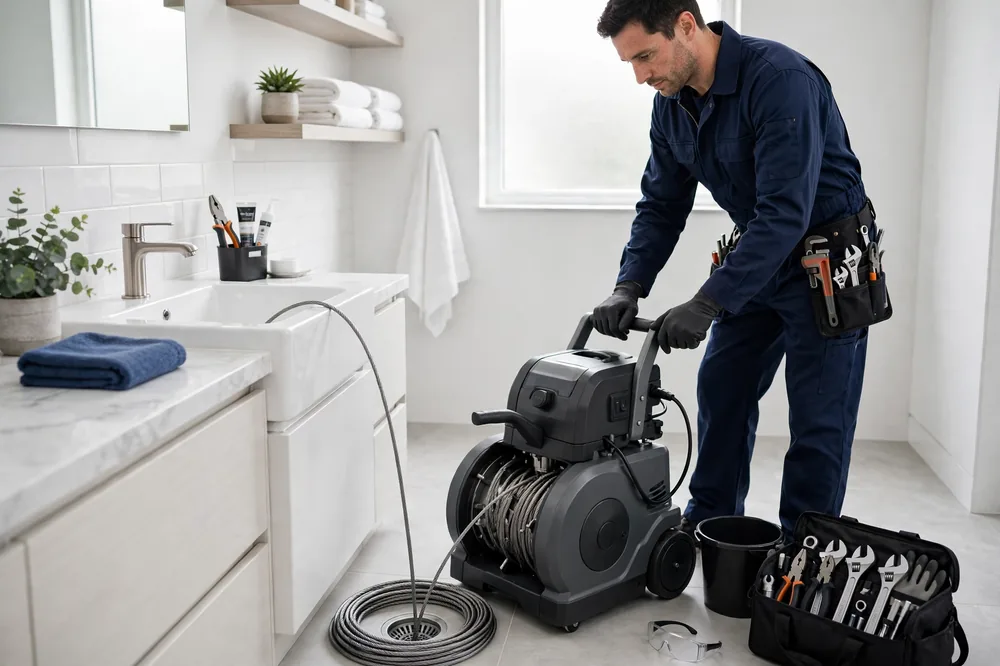
Drain Cleaning
Slow drains, clogs, gurgling pipes. Local pros clear blockages and get water flowing again.
Clear my drains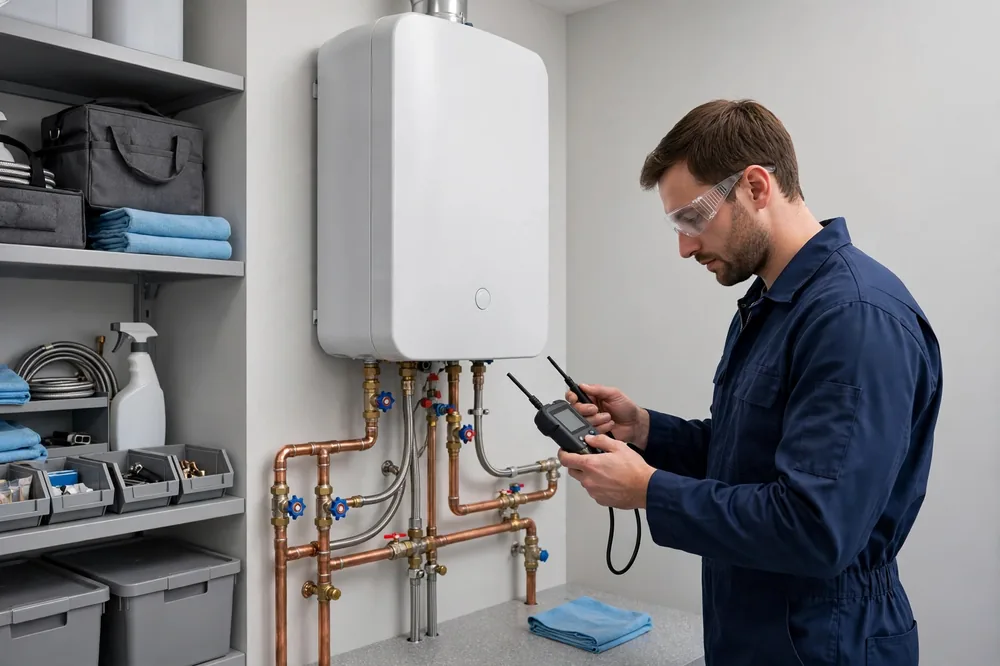
Water Heater Repair
No hot water? Strange noises? A local pro can repair or replace your unit.
Fix my water heater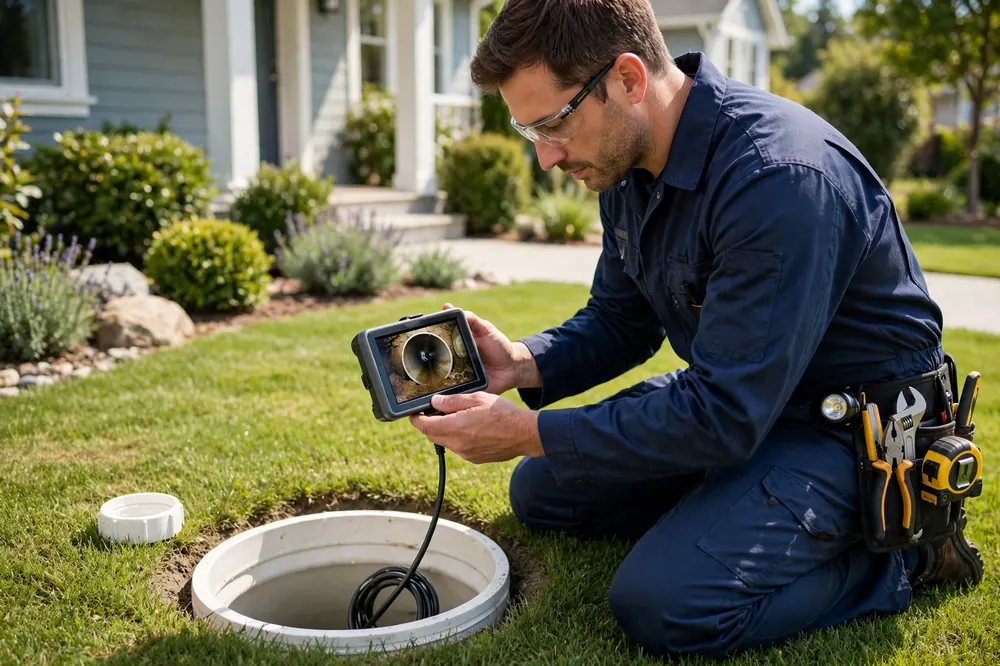
Sewer Line Repair
Sewer odors, soggy yard, repeated backups. Trenchless options may save your lawn.
Inspect my sewer line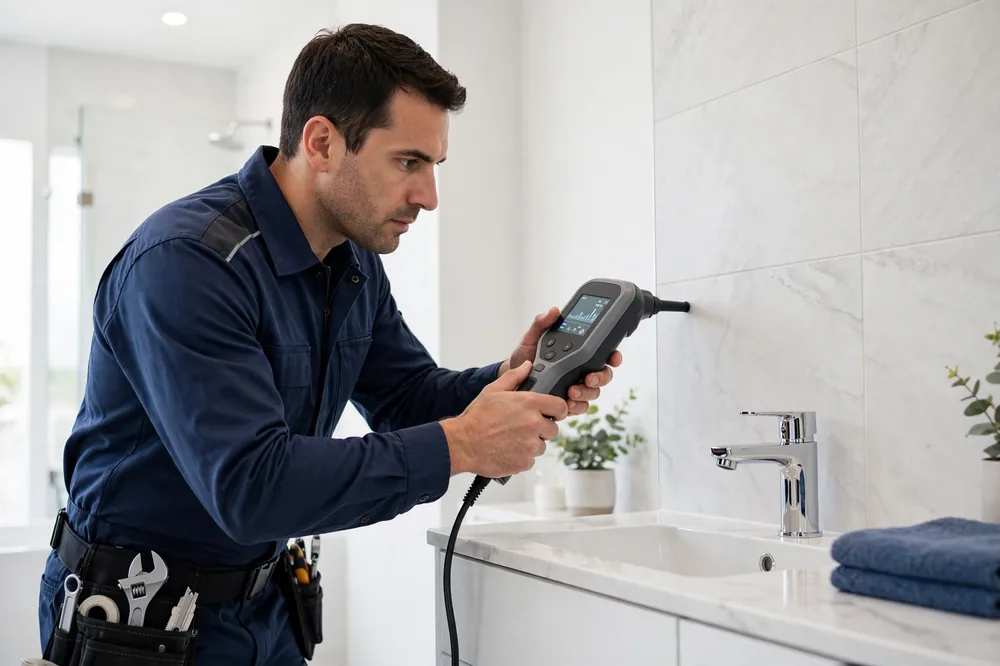
Leak Detection
Higher water bill? Damp spots? Pros find hidden leaks without tearing up walls.
Find my leak
28 Services Total
Gas lines, sump pumps, repiping, water treatment, remodels, commercial work, and more.
View all servicesWhat Is Wrong? Common Problems, Explained
Most calls fall into a few clear groups. Find yours below. You will know what it means, and what to do first.
Burst Pipe
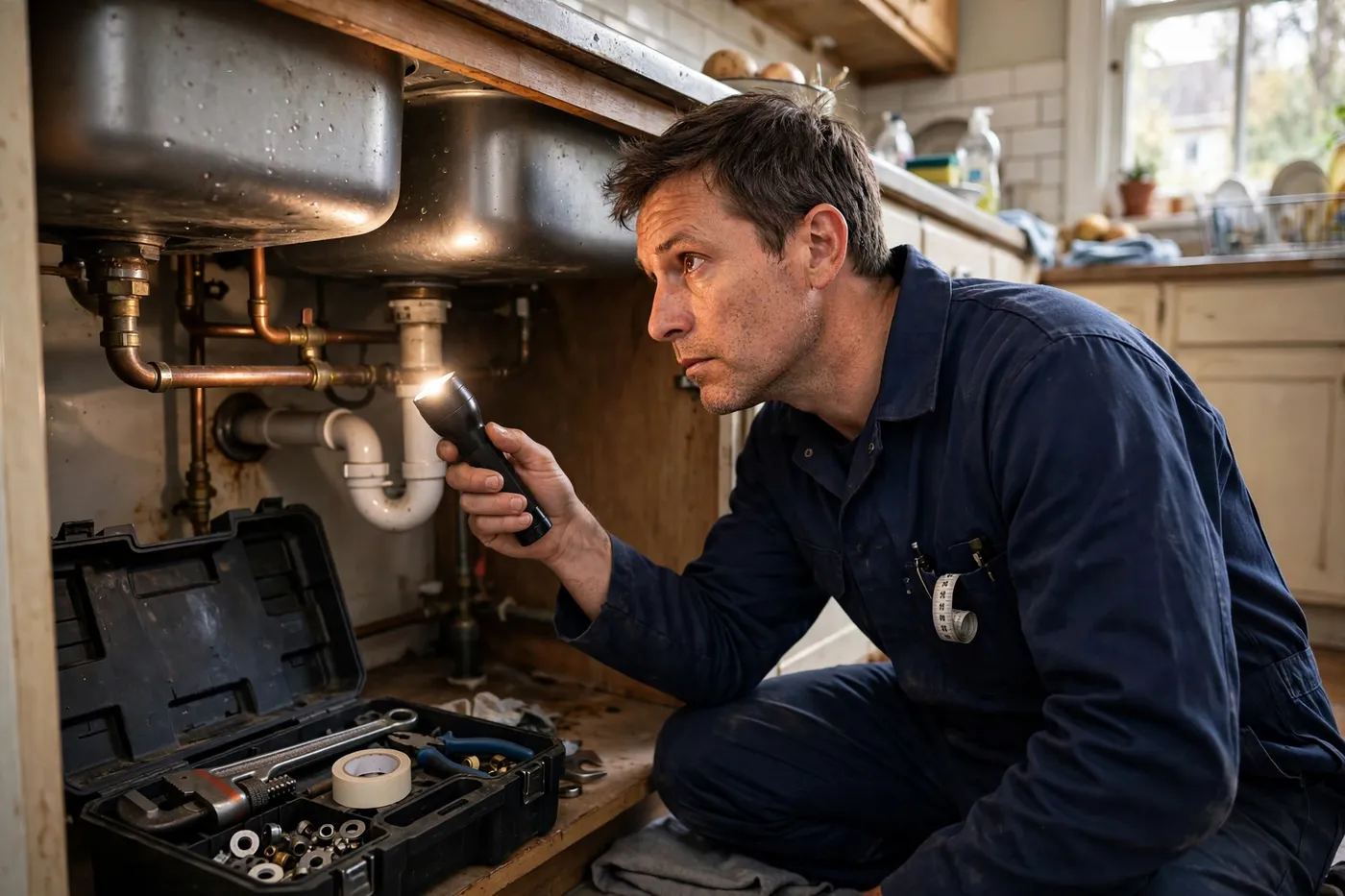
A pipe splits open and water pours out. Cold snaps cause many bursts. Water inside a pipe freezes, swells, and cracks the pipe. Old pipes and high pressure add risk.
Signs include a sudden puddle, a hissing wall, or water pressure that drops to nothing.
Do this now: Shut off the main water valve. Then call (888) 418-3086.
Clogged Drain
Water drains slowly, or not at all. Grease, hair, soap scum, and food build up over time. Wipes and paper towels can block a toilet fast, even ones marked flushable.
Gurgling sounds and bad smells often show up before a full blockage.
Do this now: Stop using that drain. A plunger may help a simple clog. Skip chemical cleaners. They can harm pipes and rarely clear a deep blockage.
Hidden Leak
A leak hides inside a wall, under a floor, or underground. You may never see water. Your water bill climbs for no clear reason. Paint bubbles. A spot on a wall stays damp.
Hidden leaks waste water and can damage wood, drywall, and floors over time.
Do this now: Note the signs and where they are. A pro with detection tools can find the source without tearing your home apart.
No Hot Water
Showers run cold. Sinks never warm up. The cause may sit in the heater. A thermostat may fail. A heating element may burn out. Sediment may build up in the tank. A pilot light may go out on a gas unit.
Check one thing first. Does the problem hit every tap, or just one? That detail helps the pro a lot.
Do this now: Tell us which taps are cold and when it started. We will connect you with a pro who handles heaters.
Running Toilet
The toilet keeps running long after a flush. It may refill on its own every few minutes. The cause is often small. A worn flapper lets water leak from tank to bowl. A fill valve may sit too high.
The fix is often quick. But a running toilet can waste a large amount of water if left alone for weeks.
Do this now: Lift the tank lid and look. If the water level sits above the overflow tube, note it for the pro.
Sewer Smell or Backup
A bad smell rises from drains. Water backs up in a tub when a toilet flushes. More than one drain clogs at once. These signs point to the main sewer line, not a single drain.
Sewage is unsanitary. Do not use the affected fixtures. Keep children and pets away from backed up water.
Do this now: Stop running water in the home. Call (888) 418-3086 and say it is a sewer issue.
Low Water Pressure
Showers feel weak. Taps trickle. The cause may be simple. A faucet aerator may be clogged with sediment. A shutoff valve may be half closed. A pressure regulator may fail.
Low pressure at one tap points to that fixture. Low pressure everywhere points to the main supply or a leak.
Do this now: Check whether all taps are weak or just one. Clean the aerator if you know how. If pressure stays low, call us.
Gas Smell
A rotten egg smell near a gas line or appliance is serious. Gas companies add that smell on purpose so leaks are easy to notice. Do not ignore it. Do not try to find the leak yourself.
Do this now: Leave the home at once. Do not flip switches or use phones inside. Call your gas company or emergency services from outside. Call a plumber only after the area is declared safe.
Frozen Pipe
A tap gives no water during cold weather. The pipe may be frozen, not yet burst. Frost on an exposed pipe is a clear sign. A frozen pipe can burst as ice thaws and pressure builds.
Do this now: Open the tap slightly. Warm the pipe gently with a hair dryer, starting near the tap. Never use an open flame. If the pipe bursts, shut off the main valve and call (888) 418-3086.
Emergency, or Can It Wait?
Not every plumbing problem needs a 2 a.m. call. Some do. This guide helps you judge in seconds.
Call now
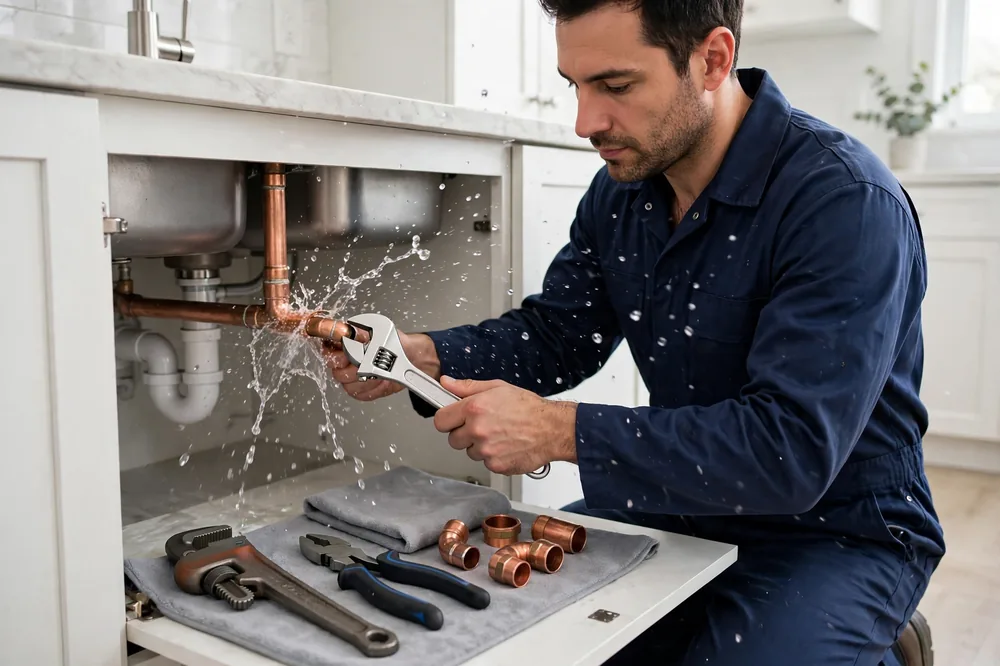
Call right away for a burst pipe, flooding, or water pouring where it should not be. Call right away for a sewage backup. Call right away if you have no water at all. Call right away for a gas smell, but leave the home first and call the gas company from outside.
These problems cause damage fast or pose a safety risk. Waiting until morning can turn a repair into a rebuild. Dial (888) 418-3086 and say it is an emergency.
Can wait until morning
A slow drain in one sink can often wait. A dripping tap can wait if you place a bucket under it and shut the local valve. A running toilet can wait if you turn off its supply valve. A water heater that still gives some warm water can often wait a night.
Waiting is fine only if the problem is stable. If it gets worse, it becomes an emergency. When in doubt, call. A short call costs nothing and settles the question.
While you wait for a morning visit, keep the affected fixture off. Place towels around a slow leak. Note any change. Small notes help the pro a lot.
If you are unsure whether your problem counts as an emergency, describe it on the call and ask. The person on the phone will help you judge. A short call costs nothing and settles the question fast.

Three Steps to a Fixed Pipe
No forms. No waiting for callbacks. No phone tag.
- 1
You call
Dial (888) 418-3086 and describe the problem. It takes about a minute.
- 2
We connect you
We match you with an independent local plumber who handles your type of job.
- 3
The pro takes over
You talk directly with the plumber. They quote the work. You decide.
What Plumbing Costs Look Like
National average ranges. Your quote depends on the job, your area, and the pro.
| Job | Typical range |
|---|---|
| Drain cleaning | $150 – $400 |
| Water heater repair | $200 – $600 |
| Water heater replacement | $1,200 – $3,500 |
| Leak detection and repair | $200 – $800 |
| Sewer line repair | $1,500 – $6,000 |
Serving Homeowners Across All 50 States
One number works everywhere. We connect you with a pro near you, wherever you are.

Before the Plumber Arrives
A few small steps save time and help the pro fix the problem on the first visit.
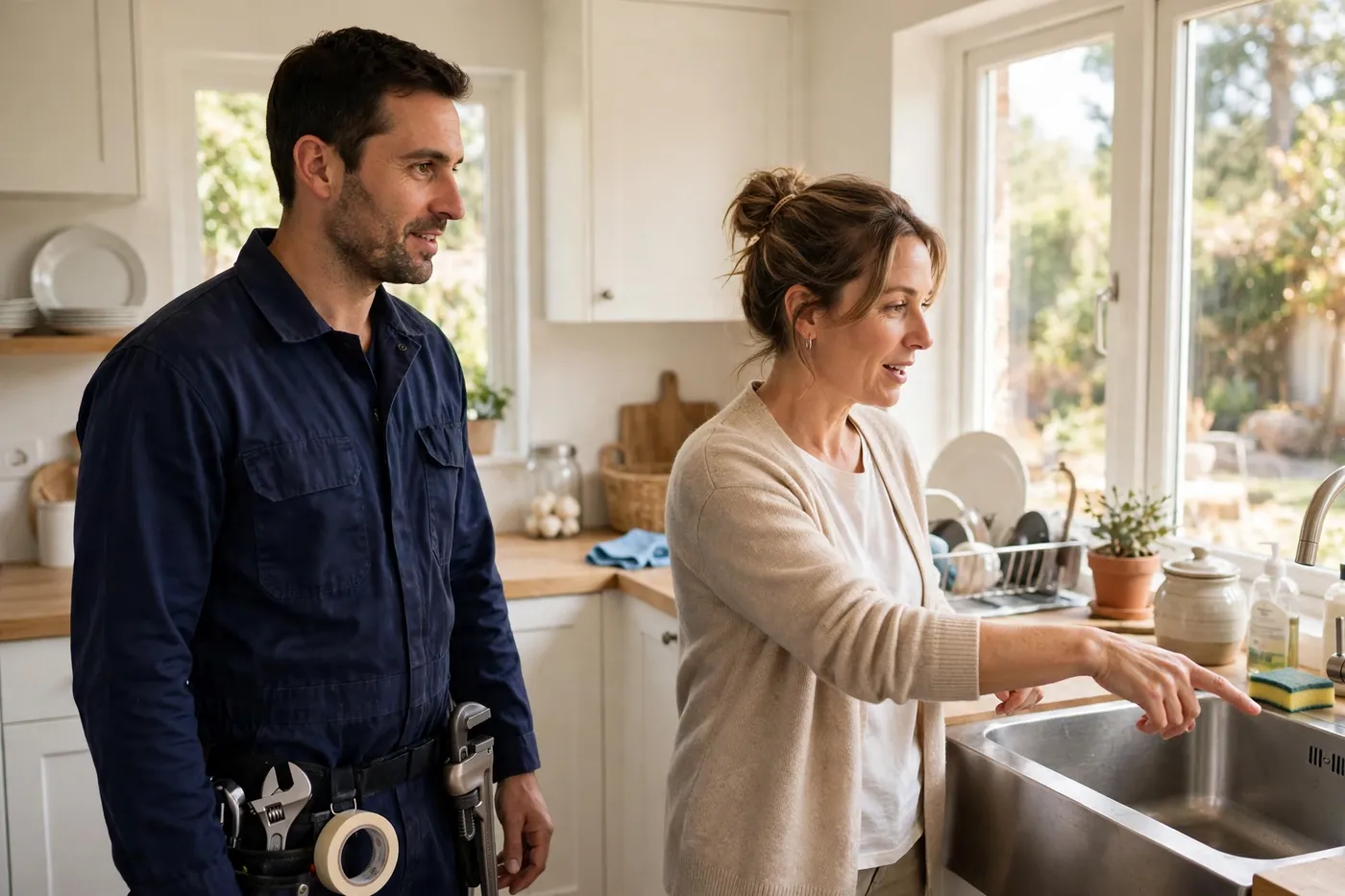
Know your main shutoff. Find the main water valve now, before an emergency. It often sits near the water meter or where the main line enters the home.
Clear a path. Move items away from the sink, toilet, heater, or access panel. The pro needs room to work and to lay out tools.
Write down the symptoms. When did it start? Which fixtures are affected? What sounds or smells did you notice? Small details point to the cause.
Take photos. Snap the leak, the stain, or the error code on the heater. Photos help the pro bring the right parts.
List what you tried. Tell the pro if you plunged the drain or reset a breaker. It keeps them from repeating steps.
Keep pets in another room. Open doors and loud tools can scare animals. A closed room keeps everyone safe.
Plan for access. Crawl spaces, attics, and locked gates can block a job. Make sure the pro can reach the work area.
Note the heater age and type. If the job involves hot water, check the heater label. Age and type shape the fix and the quote.
Make room to park. Pros carry heavy tools and parts. A clear spot near the door saves time and effort.
Be ready to decide. The pro will quote the work before starting. Know who in your home approves the cost, so work is not delayed.
What Affects Your Price
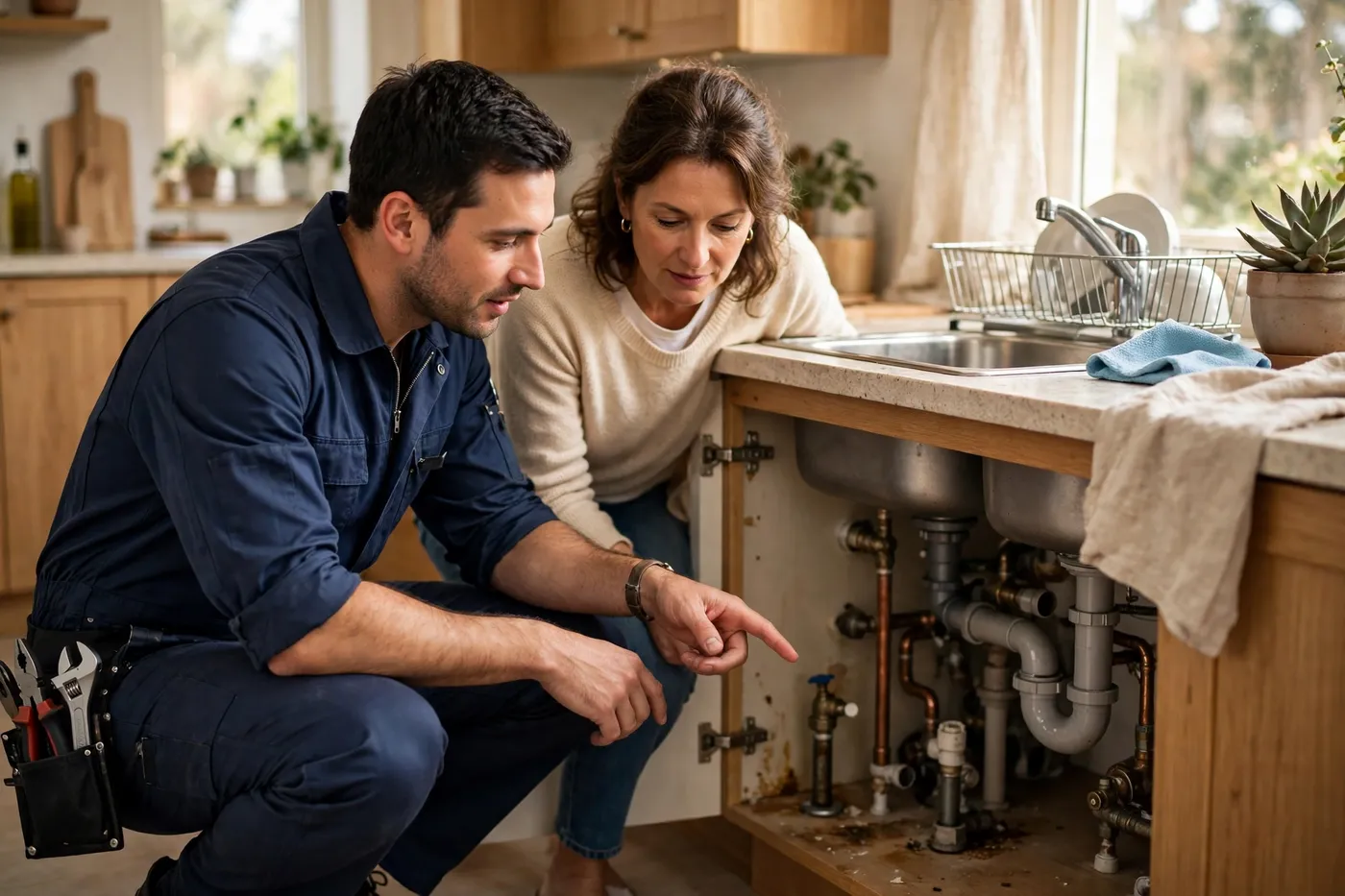
Two homes can have the same problem and different quotes. These six factors explain why. The ranges in the table above are national averages. Your quote comes from the pro, after they see the job.
Job type and scope
A simple flapper swap costs far less than a sewer line replacement. Scope drives price more than any other factor. A bigger job needs more time, more parts, and more skill.
Access to the problem
A pipe under an open sink is quick to reach. A pipe under a slab or inside a wall takes longer. Tight crawl spaces and finished walls add labor time.
Parts and materials
Copper, brass, and specialty valves cost more than basic plastic parts. A standard water heater costs less than a high capacity or tankless unit. The pro should list parts in the quote.
Time of the call
Night, weekend, and holiday calls often cost more. Emergency work pulls a pro off schedule. Planned weekday work is usually the lowest cost option.
Age and type of pipes
Older homes may have galvanized steel or cast iron. These materials corrode and break more easily. Repairs can uncover more damage once work starts.
Local rates
Labor rates differ by city and state. Big cities tend to cost more than small towns. The pro in your area sets the rate, not us.
How to Pick the Right Plumber
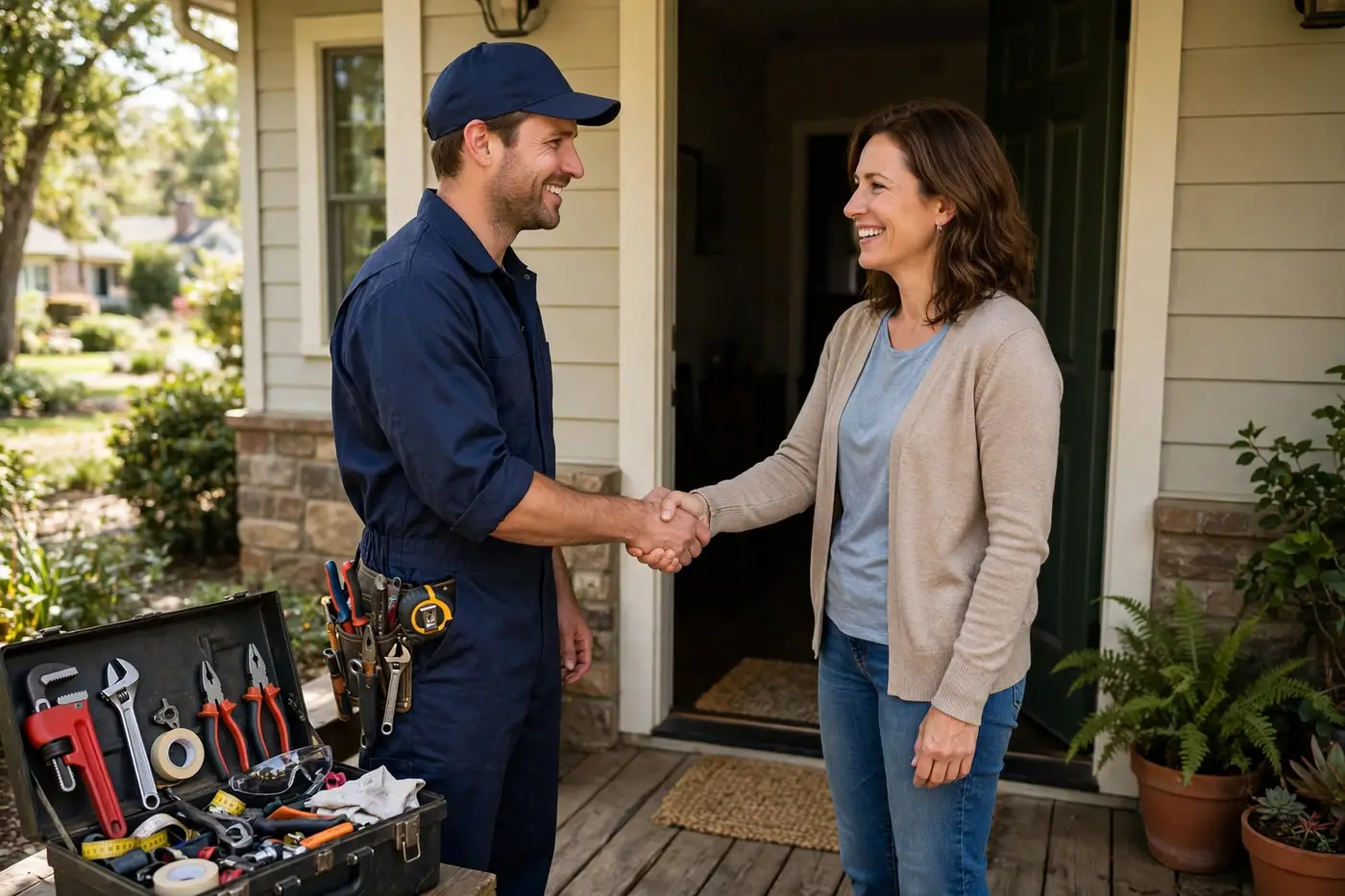
You talk directly with the pro before any work starts. Use that talk well. These questions help you judge skill, honesty, and fit.
Are you licensed and insured?
Rules differ by state. Some states license plumbers. Some leave it to cities. Ask what coverage the pro holds. Insurance protects you if something goes wrong on the job.
Can I get a written estimate?
Ask for the scope, the parts, and the labor in writing before work starts. A clear written quote prevents most billing disputes.
What does the warranty cover?
Ask how long parts and labor are covered, and what voids the cover. A pro who stands behind work will answer plainly.
Who will do the work?
Ask whether the person you speak with does the job, or sends someone else. Know who will be in your home.
How do you handle cleanup?
Good pros leave the work area clean. Ask whether cleanup and disposal of old parts are part of the quote.
What if the fix does not hold?
Ask what happens if the same problem returns soon after. The answer tells you a lot about how the pro treats customers.
Watch for warning signs. A quote without seeing the job is one. Pressure to decide on the spot is another. Cash only payment is another. No written terms is another. A solid pro welcomes questions and gives straight answers.
Water Heater: Repair or Replace?
A failing heater forces a choice. Repair costs less now. Replacement costs more now but can end repeat breakdowns. These notes help you judge which path fits.
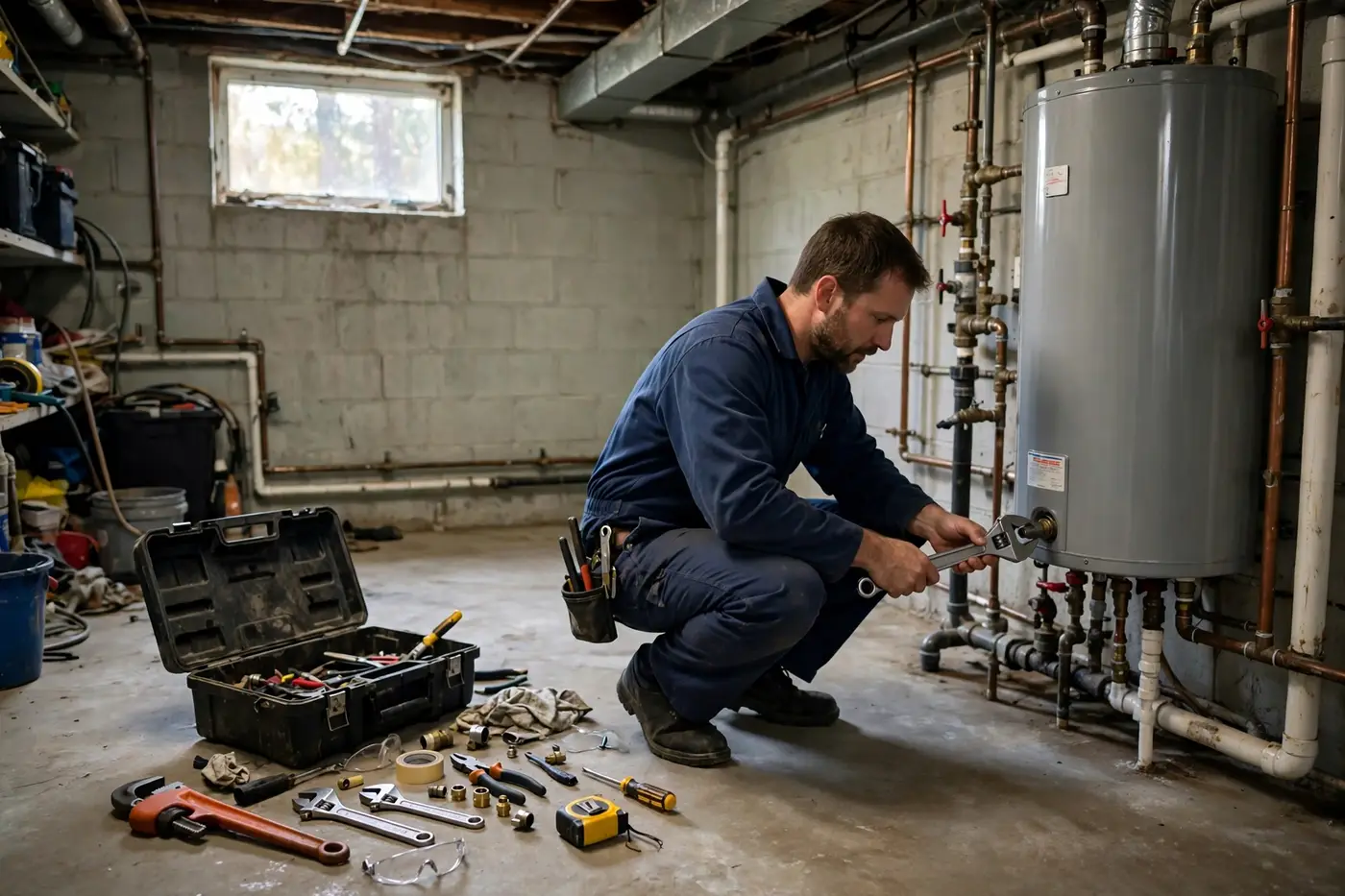
Signs your heater is failing
Rusty or cloudy hot water points to tank corrosion. Rumbling or popping sounds point to sediment buildup at the bottom of the tank. Water pooling at the base points to a tank leak. Hot water that runs out fast points to a failed heating element or a worn thermostat.
Age matters too. Most tank heaters last about a decade. A unit near that age with a major fault is often a replace case. A young unit with one failed part is often a repair case.
Tank or tankless?
A tank heater stores hot water and keeps it warm all day. It costs less to buy. It takes more space. A tankless unit heats water only when you turn on a tap. It costs more upfront. It lasts longer in many homes. It also needs enough gas or power capacity to run well.
Neither type fits every home. Ask the pro what your home supports. Ask for both options in writing when replacement is on the table.
Repair makes sense when
The unit is young. One part failed. The tank itself is sound. The fix is quick and the cost is modest next to a new unit. A thermostat, element, or valve swap often falls in this group.
Replacement makes sense when
The tank leaks. Rust shows in hot water. Breakdowns repeat within months. The unit is past its expected life. Energy bills climb with no other cause. In these cases, repair money often goes to waste.
What to tell the pro
Note the heater type, its age if you know it, and the exact symptoms. Tell them whether the problem hits all taps or one. Photos of the rating label help a lot. The label sits on the side of the unit.
Simple upkeep that helps
Ask the pro about flushing sediment from the tank at service time. Ask about the anode rod too. It is a part that protects the tank from rust and wears out over time. Many pros suggest setting the thermostat around 120 degrees. That setting is hot enough for daily use and gentler on the tank.
When to call right away for a heater
Call right away if the tank leaks, if you smell gas near the unit, or if you have no hot water at all in cold weather. A leaking tank can flood a room. A gas smell is a safety issue. Leave the area and call the gas company first if you smell gas.
Your Home’s Plumbing, Room by Room
Each room has its own weak points. Knowing them helps you spot trouble early and describe it well on the call.
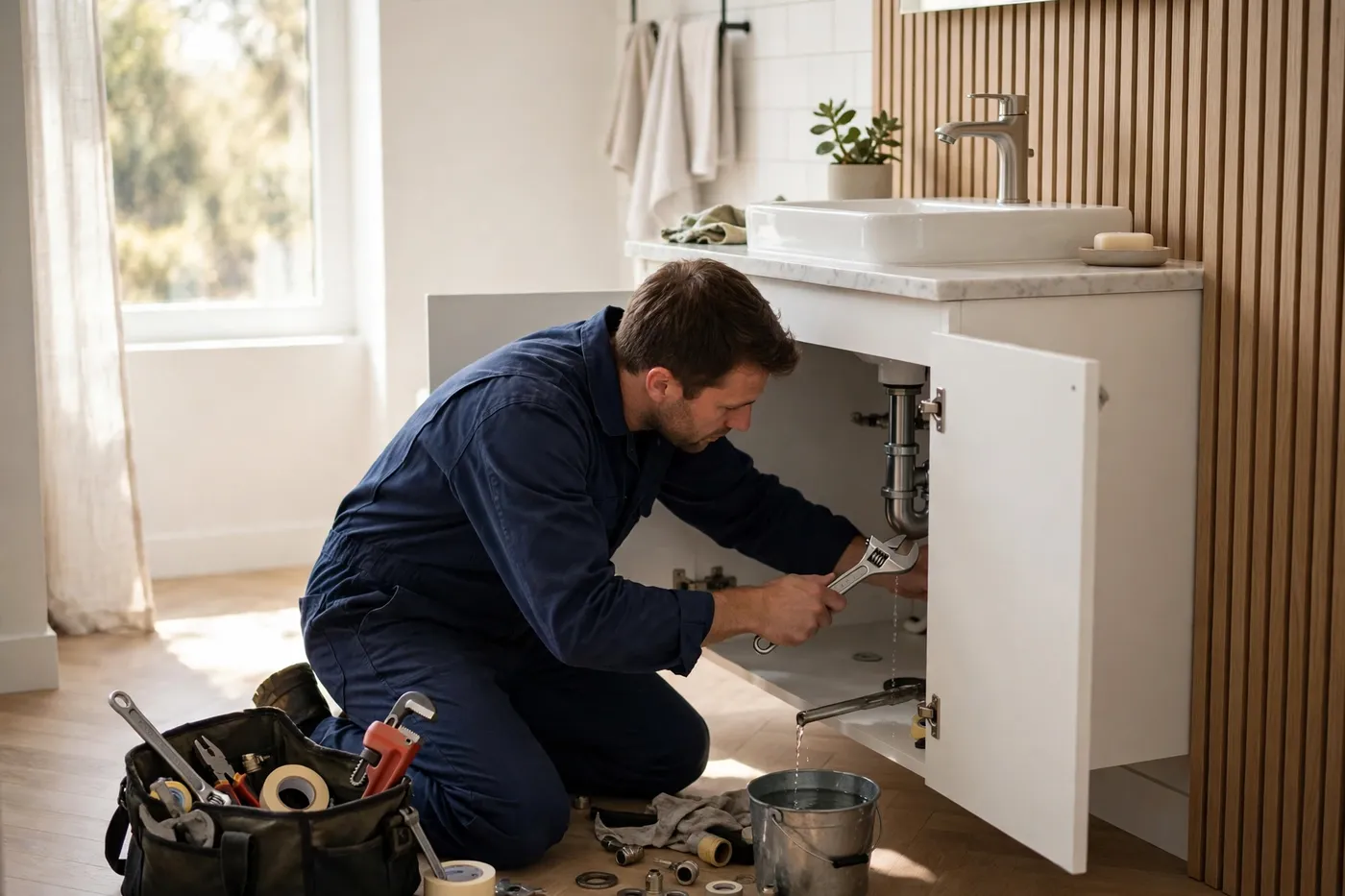
Kitchen
The kitchen sink handles grease, food, and daily use. Grease hardens in pipes and narrows them over time. A garbage disposal can jam on fibrous food or bone. A dishwasher leak often hides under the unit until the floor swells.
Watch for slow drainage, smells from the drain, and dampness under the sink. Wipe grease into the trash, not down the drain.
Bathroom
Bathrooms hold the most fixtures in one small space. Toilets run, leak at the base, or rock on a worn seal. Showers lose pressure from clogged heads or hidden valve faults. Tub drains collect hair and soap scum.
Watch for a toilet that rocks, grout that stays dark, and a musty smell near the tub. Small leaks here damage floors fast because they stay hidden.
Laundry Room
Washer hoses cause some of the worst home floods. Rubber hoses weaken with age and can burst without warning. A burst hose can pour out a large volume of water in minutes.
Check hoses for bulges, cracks, and rust at the ends. Turn the water supply off when you leave for days. Steel braided hoses last longer than plain rubber ones.
Basement and Crawl Space
This is where the main systems live. The water heater, main shutoff, and sump pump often sit here. Pipes run exposed, which makes leaks easier to spot but also easier to freeze.
Watch for damp spots, musty air, and a sump pump that runs constantly or never runs. Test the sump pump before rainy seasons by pouring water into the pit.
Outdoors
Outdoor plumbing takes weather damage. Hose bibs crack in freezes. Irrigation lines leak at joints. The sewer cleanout cap sits in the yard and gives pros access to the main line.
Disconnect hoses before cold weather. Know where your cleanout is. If a pro asks, you can point them straight to it and save time.
Water Meter and Main Line
The meter tells you a lot. It often sits near the street or where the main line enters the home. If you suspect a hidden leak, turn off all taps and appliances that use water. Then watch the meter. If it still moves, water is going somewhere it should not.
Note the reading and tell the pro. That one detail can narrow the search a lot.
Plumbing Care Through the Seasons
Small seasonal habits prevent many emergency calls. Each season has its own weak points.
Winter
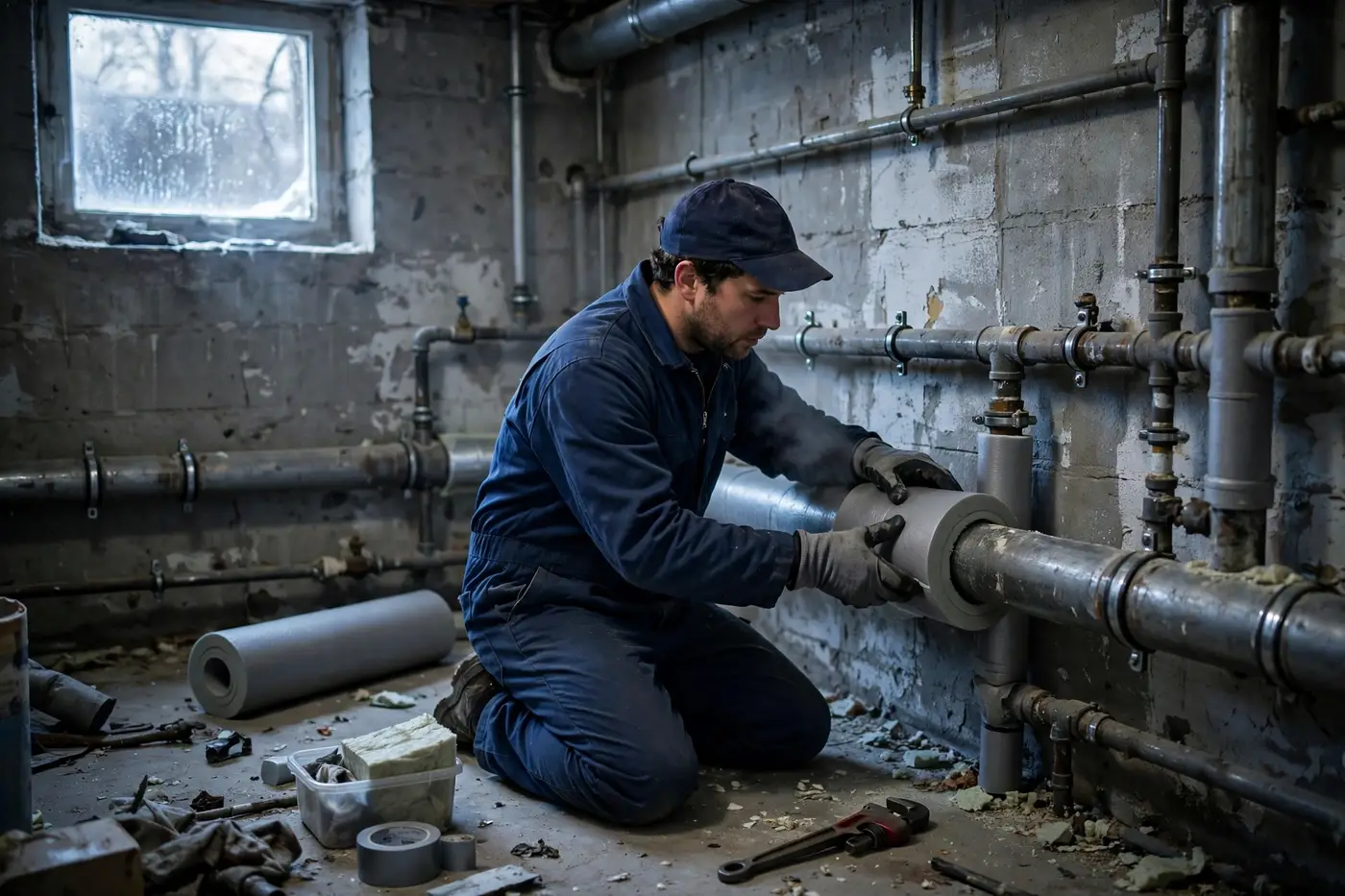
Cold is the top threat. Insulate pipes in unheated areas such as garages and crawl spaces. In a deep freeze, let a tap drip slightly to keep water moving. Know where your main shutoff is before a pipe bursts, not after.
Spring
Winter damage shows up in spring. Check outdoor taps for cracks. Test your sump pump before heavy rain season. Look under sinks for slow drips that started during cold months.
Summer
Summer strains drains and sewers. Guests, laundry, and showers all rise. Watch for slow drains early. Check sprinkler lines for leaks. If your water heater is old, summer is a calm time to plan a replacement before it fails in winter.
Fall
Fall is prep season. Disconnect garden hoses before the first freeze. Drain outdoor lines. Have your water heater serviced before cold weather raises demand. Clear leaves from drains around the home.
One habit covers all seasons. Fix small drips early. Small drips become big bills and bigger damage.
About The Deston

Finding a plumber at 2 a.m. is hard. Search results blur together. Reviews may be thin. Phone numbers go unanswered. The Deston exists to fix that one moment. You call one number. We connect you with an independent local plumber who handles your type of job.
We are a referral service. We are not a plumbing company. We do not send our own trucks. We do not set prices. We do not perform the work. The pro you speak with is an independent business. They quote the job. They do the work. You approve the cost before anything starts.
Our service is free for homeowners. You pay the plumber for the work they do, based on their quote. We serve homeowners across all 50 states through one number: (888) 418-3086.
If you need a plumber, call us. If you want to learn more, read the guides on this page. Either way, you will get a straight answer.
One number saves time when it matters most. You do not have to compare listings, read dozens of profiles, or call five shops while water spreads across a floor. You call once. You describe the problem once. Then you talk with a pro who can help. That is the whole idea behind The Deston.
Questions, Answered Honestly
Is The Deston a plumbing company?
No. The Deston is a referral service. We connect homeowners with independent local plumbers. We do not perform the work.
Does it cost anything to use?
No. Our service is free for homeowners. You pay the plumber for the work they do, based on their quote.
How fast can I get help?
Call (888) 418-3086 and we connect you right away. Arrival time depends on the pro and your area.
Do you serve my state?
We connect homeowners across all 50 states. One number works everywhere.
Who sets the price?
The plumber does. They quote the job before work starts. You approve it first.
Do I have to pay to get connected?
No. Connecting is free for homeowners. You only pay the plumber for work you approve.
What should I have ready when I call?
Know the problem, which fixtures are affected, and when it started. Photos help. The pro may ask these same questions, so having answers ready speeds things up.
Can I get a quote over the phone?
The pro may give a rough range by phone. A firm quote comes after they see the job. Be wary of anyone who quotes a big job sight unseen.
Do you cover night emergencies?
Yes. You can call any time. Whether a pro is free at that hour depends on your area and the night. We connect you right away either way.
What if I need a big job like repiping?
Local pros handle large jobs too. Ask for a written scope, a parts list, and a timeline before work starts. Big jobs deserve a clear plan.
I rent my home. Can I still call?
Yes, but tell your landlord first. Many leases require the landlord to approve plumbing work. Some landlords have their own plumber they prefer.
Can I ask for a specific type of pro?
Tell us the job type when you call. Drain work, heaters, sewers, and gas lines need different skills. We match you by the job, not by chance.
What if the first pro cannot come?
Call us again. We will connect you with another local pro. You do not have to start your search over.
How do I know the pro is legit?
Use the questions in the hiring guide above. Ask about license and insurance, a written estimate, and warranty cover. A solid pro answers plainly and welcomes the questions.
Do you offer financing?
That depends on the pro. Ask them about payment options when you talk. We do not set payment terms.
Can you help with a remodel?
Yes. Pros handle remodel plumbing, from moving fixtures to new bathrooms. Get a written scope before work starts.
What if I am not sure what the problem is?
Describe what you see and hear. The pro will ask questions to narrow it down. Photos help a lot.
What if my problem is not listed on this page?
Call anyway. We cover 28 services, from gas lines to remodels. If a local pro handles it, we will connect you.
Do you serve businesses too?
Yes. Pros handle commercial work as well. Call and describe the job and the building.
Do you do free estimates?
Ask the pro. Some give free estimates. Some charge a visit fee that may apply to the job. Ask before they come out, so there are no surprises.
How long does a typical repair take?
It depends on the job. A simple fix may take under an hour. A large job may take a day or more. The pro will give you a time frame before starting work.
Plumbing Problem? One Call Fixes It.
Talk to us now. We will connect you with a local pro who can help today.
(888) 418-3086 Call NowThe Deston is a referral service that connects homeowners with independent local plumbers. We are not a plumbing company.