
Kitchen Tap Faucet: a Complete Homeowner’s Guide
A kitchen tap faucet is the fixture that runs water into your sink. Tap and faucet mean the same thing in most homes. Folks search both words when they shop for one. This guide covers both words as one fixture. You will learn types, parts, sizes, and costs. You will also learn care steps that stop drips early. Use this guide to pick a tap that fits your kitchen.
Tap or Faucet: Why Both Words Appear
Tap is the short word many folks use each day. Faucet is the word most stores use on boxes. Search results mix both words for one fixture. That mix can confuse a first time buyer. Know that both words point to the same part. Search both words to find more options and parts.
A kitchen tap sits above the sink basin. It controls hot flow, cold flow, and mix. It may have one handle or two handles. It may have a sprayer built into the spout. Each choice shapes how you cook and clean. Pick based on your sink and your daily habits.
When you call a plumber, name the room first. Say kitchen tap, then add the fault you see. A clear note helps the plumber bring right parts. You can ask about kitchen plumbing help through The Deston. We connect you with independent local plumbers.
Tap Types Worth Knowing
A single lever tap mixes hot and cold with one handle. Lift it for more flow and less flow. Push it left for hot and right for cold. This type suits busy cooks with messy hands. It also suits small sinks with one hole. Test the lever feel before you buy one.
A two handle tap gives one handle per temp. Turn the left tap for hot water flow. Turn the right tap for cold water flow. This type suits classic kitchens and fine control. It needs three holes in the sink deck. A deck plate can cover a spare hole neat.
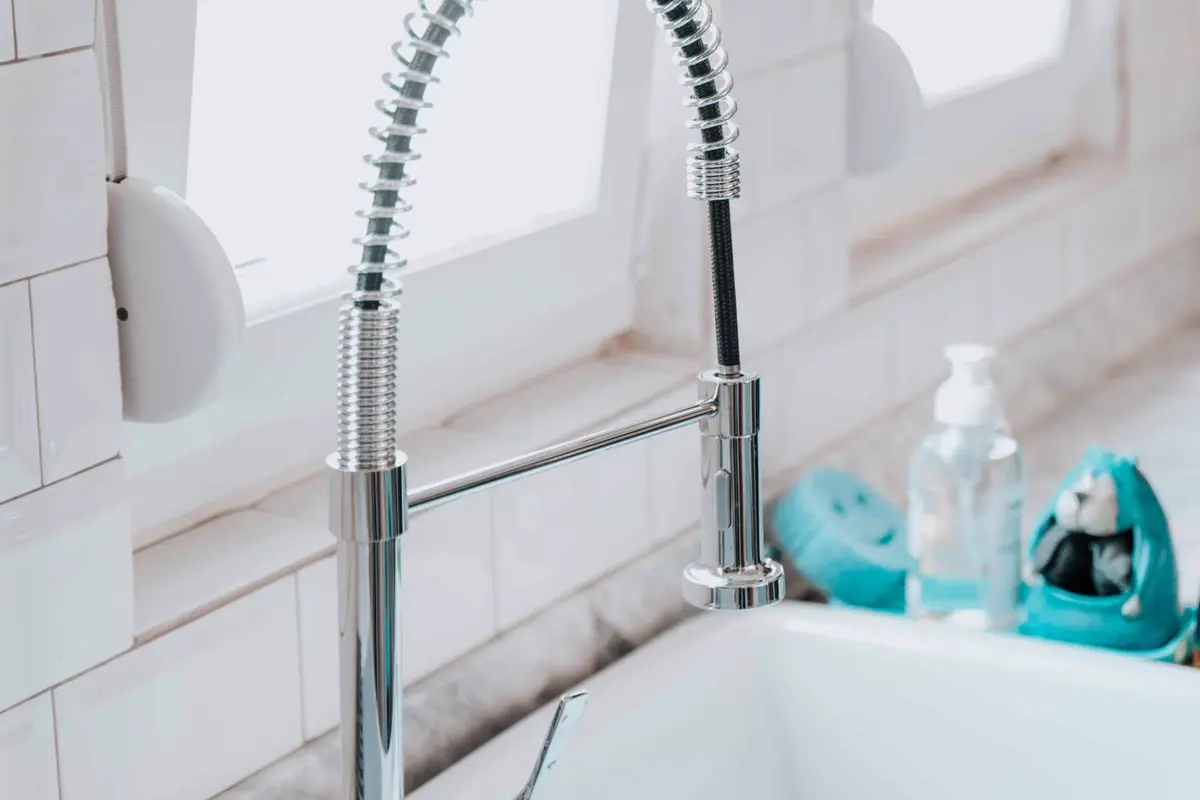
A pull down tap hides a sprayer in its spout. Pull it down to rinse the sink basin. Push it back and it docks in place. This type suits large single basin sinks. It suits cooks who rinse pans each day. Check hose length and dock weight first.
Parts That Do the Work
The spout sends water into the sink basin. High arc spouts clear tall pots with ease. Low arc spouts cut splash in shallow sinks. Swivel spouts serve double basin sinks well. Pick a reach that lands near the drain. A poor reach splashes rims and counters daily.
The cartridge sits under the handle and mixes water. A cartridge is a small valve unit with seals. It wears down after years of daily turns. Worn seals cause drips and stiff handles. A plumber can swap most cartridges fast. Ask about faucet repair if drips keep returning.
The aerator sits at the spout tip and shapes flow. An aerator is a small screen that mixes air in. It cuts splash and saves water each day. Grit can clog it and cut pressure fast. Unscrew it, rinse it, and screw it back. That step alone fixes many weak flow faults.
Measure Before You Buy
Count sink holes before you shop for a tap. One hole fits a single lever tap neat. Three holes fit a two handle tap with a plate. Four holes can hold a tap plus a sprayer. Measure spread between the outer holes too. A wrong spread means the tap will not fit.
Check height room above the sink next. Shelves, cabinets, and windows can block tall spouts. Measure from deck to the lowest blockage. Leave room to lift tall pots under it. A spout that is too tall splashes a lot. A spout that is too short blocks tall pots.
Match spout reach to your sink size too. Reach means how far the stream lands forward. The stream should land near the drain center. Short reach splashes the back rim often. Long reach can splash the front rim instead. Read spec sheets and match them to your sink.
Faults You Can Spot Early
A drip that will not stop points to worn seals. One drip per second wastes much water over time. It can stain the sink and wear parts down. A new cartridge or seal stops most drips. Do not let a small drip run for months. Read our blog posts for more plain plumbing guides.
Low flow at one tap points to a clogged aerator. Clean the aerator first and test flow again. Low flow at all taps points to a wider fault. A supply valve may sit half closed below. A kinked supply line can choke flow as well. A plumber can trace the fault and fix it.
A loose base can leak water under the sink. Tighten mount nuts from below with care. Check for damp wood and musty smells too. Damp wood can rot if leaks run for months. If the base still rocks, the mount is worn. A swap may beat repeat fixes at that point.
Finishes for Kitchens
Chrome is bright, low cost, and easy to clean. It suits most kitchens and sink styles well. Water spots show fast, so wipe it dry. A soft cloth keeps chrome bright for years. Chrome pairs well with steel sinks and light counters. It is a safe pick when you feel unsure.
Brushed nickel hides spots and prints much better. It has a soft gray tone and matte feel. It suits warm wood and stone counters well. It costs a bit more than plain chrome. Clean it with mild soap and a soft cloth. Skip harsh pads that dull the brushed look.
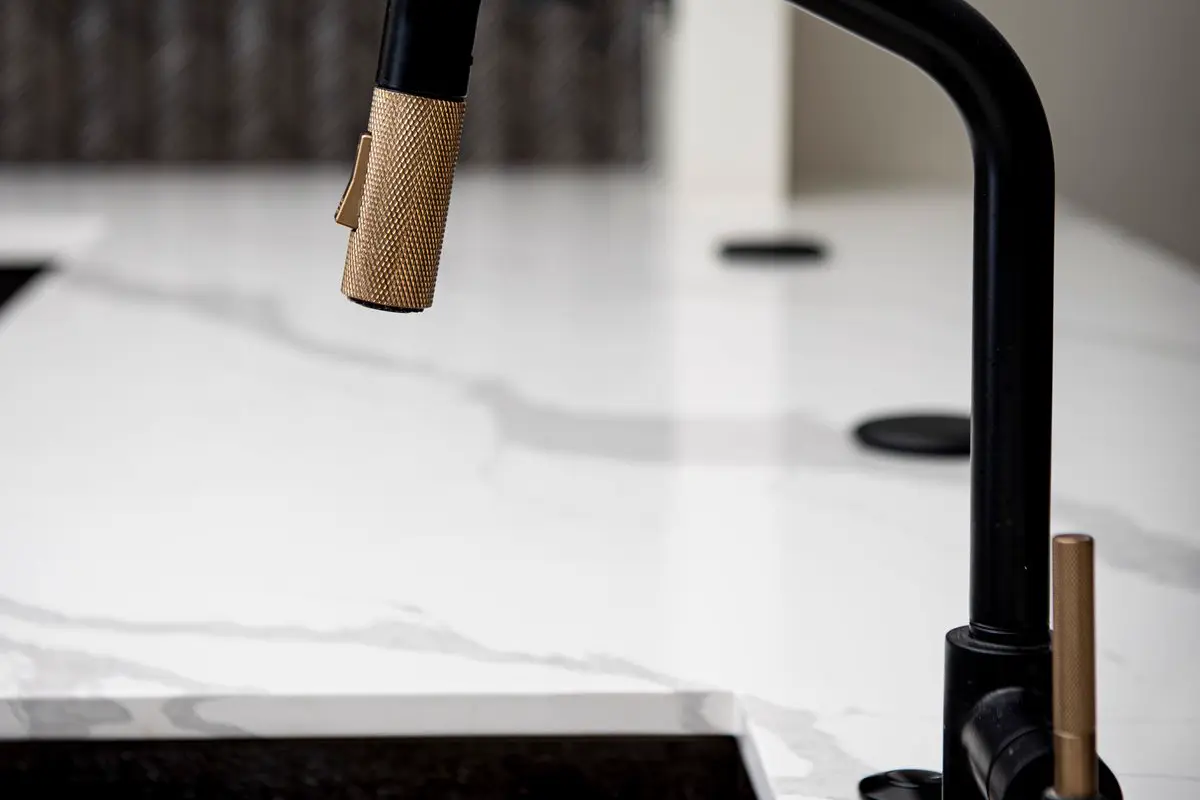
Matte black makes a bold mark in modern kitchens. It pairs well with dark counters and brass knobs. It can show dust and hard water marks. Wipe it dry after heavy use each day. Bronze gives a warm old style feel instead. Bronze suits rustic kitchens and copper sinks.
What a New Tap Costs
National averages put this job at $200 to $500 for labor. The tap itself can cost $80 to $400 more. Basic models sit near the low end. Designer models can cost far more than $400. Ask what the quote covers before work starts. A clear quote lists parts, labor, and old part removal.
Old valves can add cost to the job. A shutoff valve stops water to the tap. Old valves can seize and leak when turned. A plumber may need to swap a bad valve. New supply lines can add parts cost too. Ask the plumber to test valves before work starts.
Most tap swaps take one to two hours. Stuck nuts and rust can stretch that time. Tight sinks with poor access take longer too. Ask how the plumber guards counters and floors. A good pro lays cloths down and cleans up. For help, ask about faucet installation when you call.
Care Steps That Stop Drips
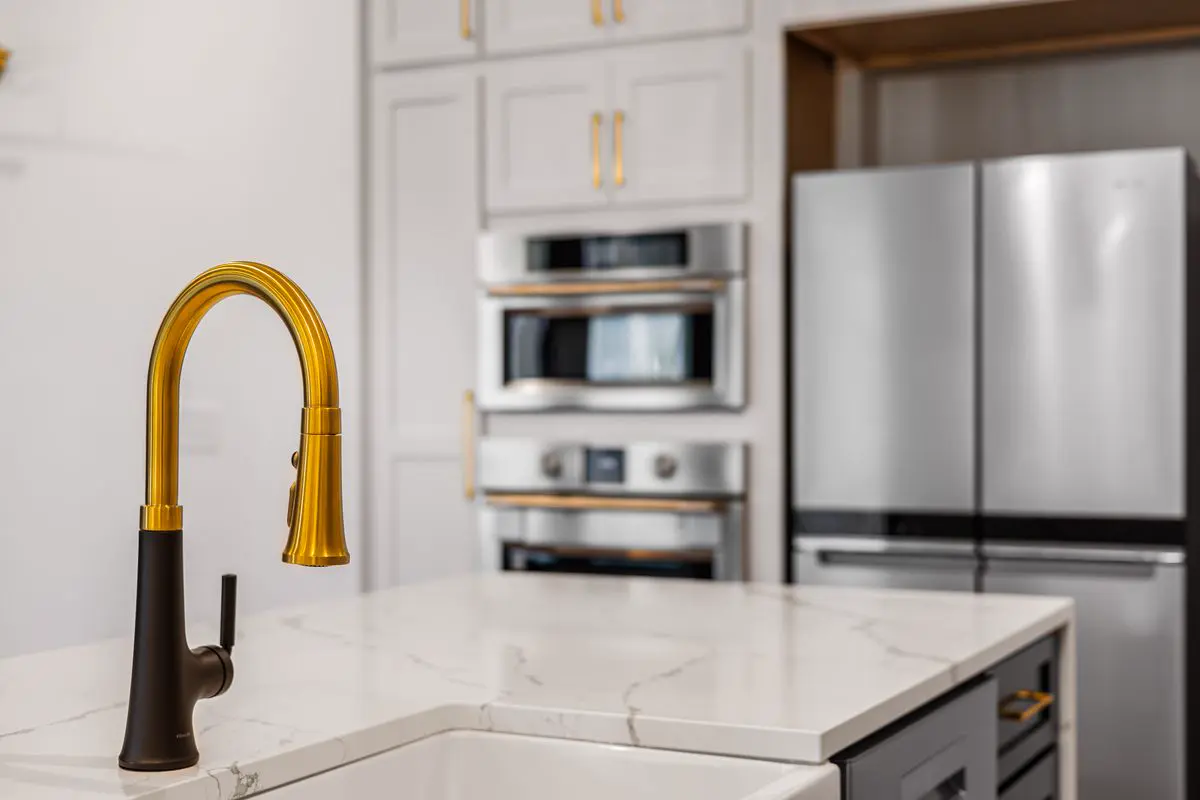
Wipe the tap dry once a day if you can. Dry wiping stops spots and slows scale growth. Use mild soap and a soft cloth to clean. Skip bleach and rough scouring pads each time. Harsh cleaners dull finishes and wear seals fast. Gentle care keeps the tap bright for years.
Clean the aerator every few months as a habit. Unscrew it by hand and rinse out grit. Soak it in vinegar if white scale coats it. Scale is crust from minerals in tap water. Rinse it well and screw it back snug. Test flow and watch for leaks at the tip.
Check under the sink once a month for damp spots. Feel joints and supply lines with dry fingers. Look for green crust on brass parts too. Green crust can point to a slow leak. Fix small leaks early before wood swells. A monthly check saves big repair bills later.
When to Call a Local Plumber
Call a plumber when water pools under the sink. Shut supply valves first if you can reach them. Mop up water and move stored items away. A fast call can stop wood rot and mold. A plumber can trace the leak source fast. See our drain snake guide for slow drain help too.
Call a plumber when valves will not turn at all. Forcing a stuck valve can snap it and flood. A pro can swap a seized valve with care. Call too when hot runs from the cold tap. Crossed lines need a trained eye to trace. Do not guess at line faults under the sink.
The Deston is a referral service, not a plumbing firm. We connect you with independent local plumbers. Describe the job and your tap type clearly. You can compare pros and pick the right fit. Our kitchen faucet guide covers the basics in more depth. A local pro can fit, test, and check the new tap.
Tap Handles and Controls
Lever taps move with one smooth push each use. They suit busy cooks and weak grips well. A lever lifts for flow and turns for temp. Test lever travel in store before you buy. Short travel gives less fine temp control. Long travel gives more control each use.
Knob taps turn round with a firm grip. They suit classic kitchens and older homes. Two knobs give one tap per temp. Knobs need more hand strength than levers. Wet hands can slip on smooth knob tops. Textured knobs grip better when hands are wet.
Cross taps look old style and feel firm. They turn like a small wheel on top. They suit farmhouse and vintage kitchens well. They need two hands for temp mix. They can drip if seals wear down fast. Swap seals early to stop cross tap drips.
Touch taps start flow with a light tap. They suit messy hands and germ worries. They need power from a battery or plug. They cost more than manual taps do. Sensors can misfire with pets and steam. Test touch models in store if you can first.
Tap height shapes comfort for tall users well. A tall lever clears backsplashes with ease. A short knob can hit low windowsills. Measure from deck to blockage before you buy. Leave room for a full hand grip each use. A cramped tap annoys you each day.
Tap finish should match spout finish tones. Mixed tones can clash and look cheap. Buy tap and spout as one set. Sets match tones and parts with ease. Loose taps often need a small set screw tweak. Tighten set screws with care each year.
A stiff tap often means a worn cartridge inside. Do not force a stiff tap to move. Force can crack the cartridge and cause leaks. Spray the base with care and test again. If it stays stiff, plan a cartridge swap soon. Our sink faucets guide covers handle styles in depth.
Learn the key faucet replacement signs before you buy parts or taps. Handles seem small but shape daily comfort a lot. Pick a tap that fits your hands and habits well.
A tap swap pairs well with a drain check too. Slow drains make new taps feel poor fast. Clear the drain before you fit a new tap. Test flow at full force after install. Check below decks for leaks at once. A clean drain plus a new tap feels fresh.
Quick tip: measure hole count, hole spread, and height room before you shop. Write the three numbers on your phone. They stop most wrong fits and returns.
Is a kitchen tap the same as a faucet?
Yes, both words mean the same sink fixture. Tap is the short everyday word. Faucet is the common store word. Use both words when you search for parts.
Why does my tap drip after I shut it?
A worn cartridge seal lets water seep past slowly. Pressure can push water through worn seals. The drip may grow worse over weeks. A new cartridge stops most such drips.
How do I fix weak flow from my tap?
Start by cleaning the aerator at the spout tip. Unscrew it, rinse out grit, and test flow. Check that supply valves sit fully open too. If flow stays weak, call a local plumber.
Should I repair or replace an old tap?
Repair a young tap with one clear fault. Replace an old tap with rust or repeat drips. Compare repair cost with new tap cost first. A new tap often wins when repairs stack up.
The Deston is a referral service that connects homeowners with independent local plumbers. We are not a plumbing company.