
Kitchen Faucets with Sprayer: a Complete Homeowner’s Guide
A kitchen faucet with a sprayer rinses more than a fixed spout. You pull the sprayer out and aim water where you need it. You rinse pans, food, and sink corners with ease. Sprayers suit cooks who wash food each day. They also suit homes with large single sinks. This guide explains sprayer types and care. You will learn costs, faults, and buying tips. By the end, you can pick a sprayer faucet with ease.
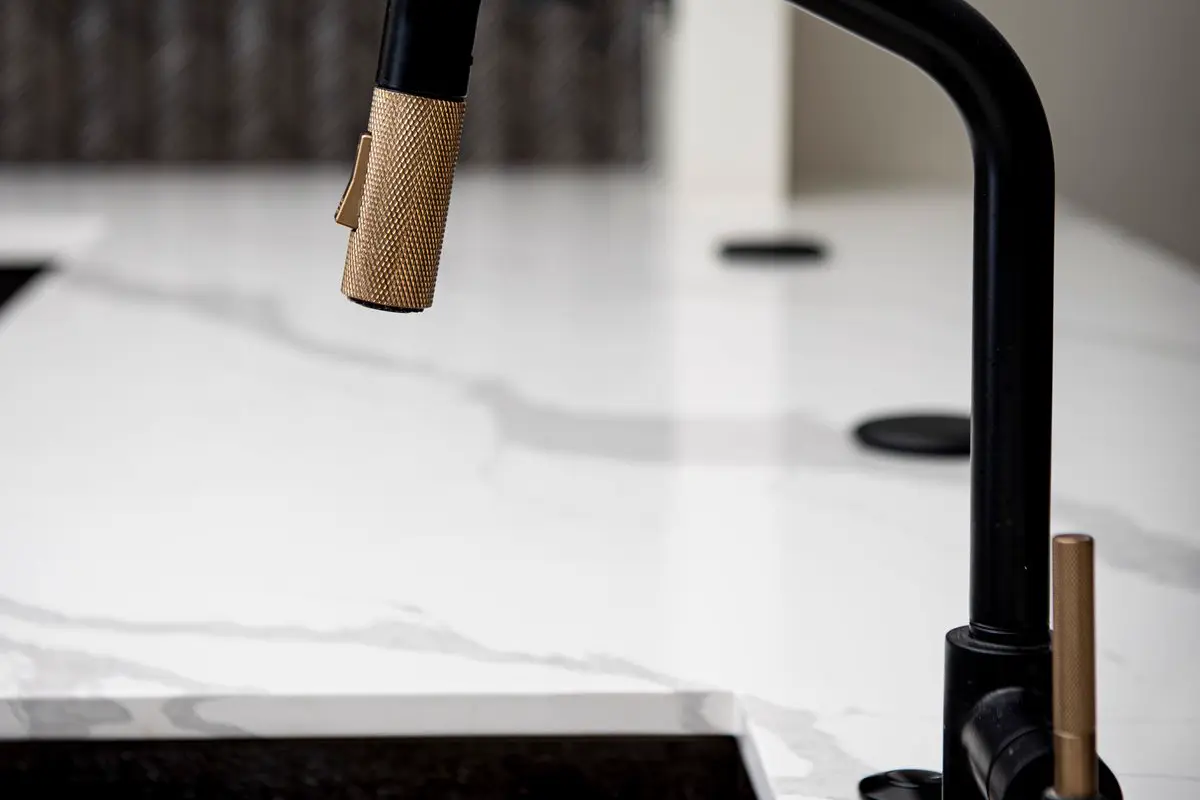
Why a Sprayer Helps
A fixed spout sends water to one spot only. A sprayer sends water to each corner instead. You rinse sink walls without a cup or jug. You rinse tall pans that will not fit below. You fill pots that sit beside the sink. That reach saves time on each wash.
Sprayers help with food prep as well. You rinse greens in a colander with ease. You rinse mud from root veg fast. You spray crumbs toward the drain in seconds. A sprayer turns rinsing into a quick job. It is a small feature with a big payoff.
Sprayers help pet owners and plant fans too. You rinse pet bowls without lifting them high. You fill watering cans at the sink with ease. You wash small items that splash less. A sprayer suits busy homes most of all. Fixed spouts feel stiff after sprayer use.
Pull Down Sprayers
A pull down sprayer hides inside a high spout. You pull it straight down to rinse. You push it back and it docks neat. High arc spouts suit pull down heads well. They clear tall pots and pans with ease. They suit large single basin sinks best.
Pull down heads often switch spray modes. A stream mode fills pots with calm flow. A spray mode rinses wide zones with force. A pause mode stops flow while you move pans. Test each mode in store if you can. A stiff button annoys you each day.
Dock weight keeps the head seated firm. A weak dock lets the head droop low. A drooping head splashes and looks poor. Check dock feel before you buy one. A firm magnetic dock holds best of all. Ask store staff to demo the dock action.
Pull Out Sprayers
A pull out sprayer pulls toward you, not down. It hides inside a low arc spout. It suits shallow sinks and low cabinets. It suits windows that block tall spouts. It gives reach with less height need. It is a smart pick for tight kitchens.
Pull out heads reach pots beside the sink. They fill pans that sit on counters. They rinse sink corners with a short hose. Hose length sets how far you reach. Check hose length on the spec sheet. A short hose limits the sprayer payoff a lot.
Pull out docks wear with daily pulls too. A worn dock lets the head stick out. A sticking head drips and looks poor. Pick a model with a firm dock action. Test the pull and dock feel in store. A smooth pull hints at a long hose life.
Side Sprayers
A side sprayer sits apart from the main spout. It rests in its own deck hole. You lift it and spray where needed. It suits kitchens with spare deck holes. It suits older sinks with four holes. It adds reach without a pull down spout.
Side sprayers use a hose under the deck. The hose can kink if routed poor. A kinked hose cuts flow and wears fast. A plumber can route hoses with care. Check hose slack after install each time. Slack stops kinks and snags below decks.
Side sprayers suit simple budgets well. They cost less than pull down models. They add a second hose to upkeep, though. Hoses wear out after years of use. A worn hose can leak under the sink. Check under sinks monthly for damp spots.
Spray Modes and Flow
Stream mode sends a calm solid flow. It fills pots and jugs with less splash. Spray mode sends a wide forceful shower. It rinses food and sink walls fast. Pause mode stops flow while you shift pans. It saves water during long rinse jobs.
Flow rate shapes how fast pots fill. A low flow rate saves water each day. A very low rate feels weak for rinsing. Most kitchen faucets flow at a calm steady rate. That rate suits rinsing and filling well. Check the rate on the spec sheet first.
Hard water can clog spray nozzles fast. White scale blocks small spray holes. Soak the head in vinegar to clear scale. Scale is crust from minerals in tap water. Rinse the head well after each soak. A clean head sprays even and strong.
Faults Sprayers Face
Low spray pressure often means a clogged head. Soak the head in vinegar for an hour. Rinse it and test spray modes again. Check the aerator screen inside the head too. Grit can clog screens and cut flow fast. A clean screen restores strong spray flow.
A leaking hose drips under the sink deck. Feel hoses with dry fingers each month. Look for damp spots and musty smells. A worn hose needs a swap with care. Ask about faucet repair when you call for help. Do not let hose leaks run for months.
A drooping head points to a weak dock. Magnets weaken and springs wear with use. Some docks need a weight tweak below. A counterweight is a block on the hose. It pulls the head back to dock. A plumber can adjust weights with ease.
What Sprayer Faucets Cost
National averages put a sprayer faucet at $100 to $450. Basic side sprayer models sit low. Pull down models cost more than fixed spouts. Designer models can pass $450 with ease. Set a budget before you shop stores. A budget stops impulse buys that clash.
National averages put install labor at $200 to $500. The total adds faucet cost plus labor. Old valves or lines can add cost too. Ask what the quote covers before work starts. A clear quote lists parts, labor, and removal. For help, ask about faucet installation when you call.
Hose swaps cost less than full faucet swaps. National averages put a new hose at $20 to $60 in parts. Labor adds more if a pro fits it. Compare hose cost with new faucet cost. An old faucet with repeat faults needs a swap. A young faucet with one hose fault needs a hose.
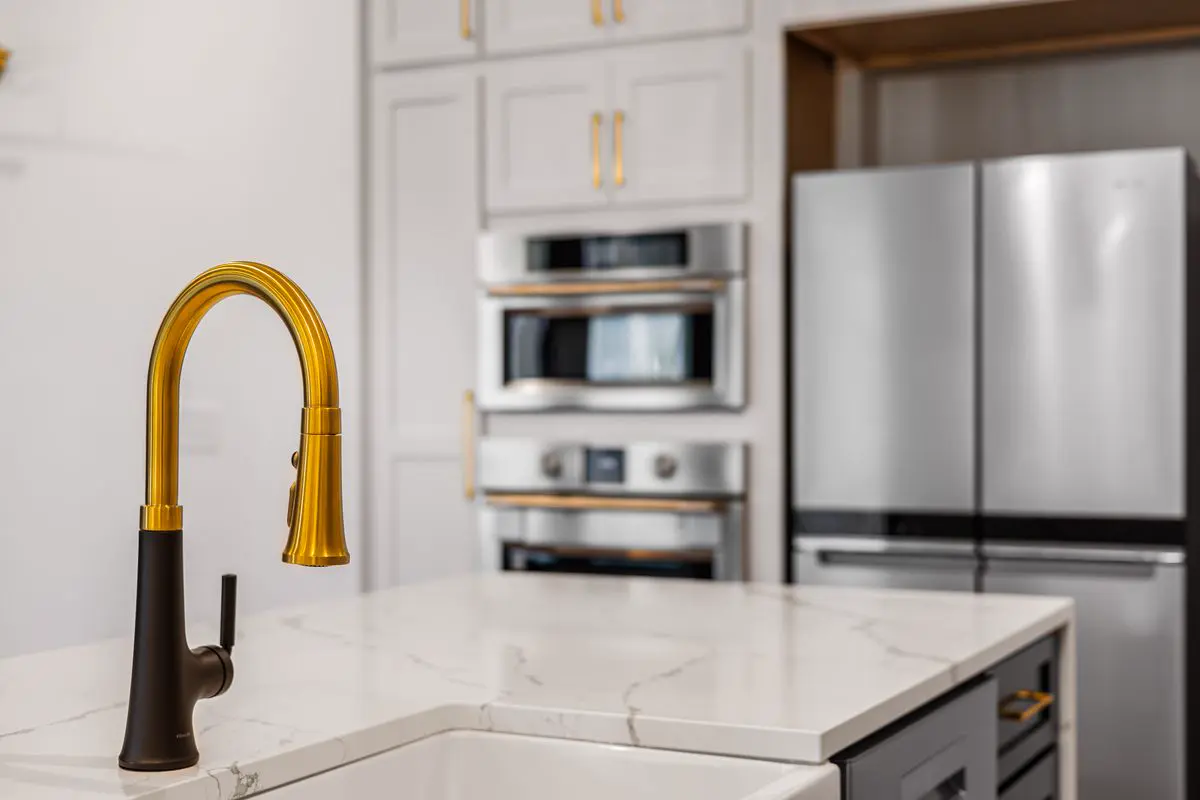
Care That Keeps Sprayers Strong
Wipe the head dry once a day if you can. Dry wiping stops spots and slows scale growth. Use mild soap and a soft cloth to clean. Skip bleach and rough scouring pads each time. Harsh cleaners dull finishes and wear seals fast. Gentle care keeps the head bright for years.
Soak the head in vinegar every few months. Vinegar clears scale from spray holes well. Rinse the head well after each soak. Test each spray mode after cleaning. Uneven spray means scale still blocks holes. Repeat the soak until spray runs even.
Check hoses under the sink each month. Feel for damp spots, kinks, and wear. Keep hoses clear of stored items below. Stored items can kink hoses and snag them. A clear zone under sinks guards hoses well. Read our blog posts for more plain care guides.
When to Call a Local Plumber
Call a plumber when hoses leak under the sink. Shut supply valves first if you can reach them. Mop up water and move stored items away. A fast call can stop wood rot and mold. A plumber can swap hoses with care. Ask about kitchen plumbing help when you call.
Call a plumber when the sprayer will not dock. A bad dock may hide a hose fault below. Call too when flow stays weak after cleaning. A supply fault may choke flow upstream. A plumber can trace flow faults with ease. Do not force stuck heads or hoses.
The Deston is a referral service, not a plumbing firm. We connect you with independent local plumbers. Describe your sprayer type and fault clearly. See our drain snake guide for slow drain help too. A local pro can fit, test, and check the new faucet.
Sprayer Hoses and Connections
A sprayer hose runs from the faucet body down. It loops below the deck with slack. A counterweight pulls the head back to dock. A counterweight is a block clamped on hoses. It slides on the hose with use. Keep its path clear of stored items.
Hose slack stops kinks and snags below decks. Too little slack pulls the head short. Too much slack snags on pipes and items. A plumber routes hoses with care at install. Check slack after any under sink work. Re route hoses that snag on items.
Hose fittings join hoses to faucet bodies tight. Quick connect fittings snap on with ease. Threaded fittings screw on with washers. Washers seal joints and stop drips. Worn washers leak under decks slowly. Swap washers when you spot damp joints.
A kinked hose cuts spray flow fast. Kinks form where hoses bend too sharp. Stored items press hoses into sharp bends. Clear the zone below decks each month. Feel hoses for flat spots with fingers. Swap hoses that hold kink shapes.
A leaking hose drips under the sink deck. Feel hoses dry each month for damp spots. Look for musty smells under sinks too. A worn hose needs a swap with care. Ask about sink repair help when hoses leak on. Do not let hose leaks run for months.
Hose length sets sprayer reach each day. Short hoses limit rinsing to near sinks. Long hoses reach pots beside sinks. Check hose length on spec sheets first. A long hose needs more slack below. Balance reach with tidy routing below decks.
Scale can clog sprayer hoses from inside too. Hard water leaves crust in hoses slowly. Soak heads to clear scale at tips. Hoses need swaps when scale chokes flow. Test flow after head cleaning each time. Weak flow after cleaning hints at hose scale.
Our kitchen faucet guide covers faucet basics in depth. Learn the key faucet replacement signs before you buy hoses or heads. Hoses seem small but shape sprayer life a lot. Good hoses mean strong spray for years.
Swap hoses with matched parts for your model. Brands use distinct hose fittings each time. Bring the old hose to the store. Staff can match fittings and length fast. A wrong hose leaks from the first use. Matched parts save repeat trips and leaks.
Test sprayers after any hose swap at once. Run each spray mode for a minute. Check below decks for drips as you spray. Pull the head out and let it dock. A firm dock means the weight sits right. A good test ends with dry decks below.
Quick tip: test the sprayer pull, dock, and mode button in store. A smooth pull and firm dock matter more than looks. You will use those moves each day.
Are pull down sprayers better than side sprayers?
Pull down suits large single sinks best. Side sprayers suit older four hole sinks. Pull down gives more reach and modes. Side sprayers cost less in most stores.
Why is my sprayer pressure weak?
Scale or grit likely clogs the head holes. Soak the head in vinegar for an hour. Rinse it well and test spray modes. If flow stays weak, check supply valves too.
Can I swap just the sprayer hose?
Yes, most brands sell hose parts alone. A hose costs $20 to $60 in parts. Match the hose to your faucet model. A pro can fit it fast if access is tight.
How long do sprayer faucets last?
Most sprayer faucets last 15 to 20 years. Hoses wear sooner than faucet bodies. Swap hoses when they leak or kink. A new faucet wins when faults stack up.
Do sprayers waste water?
No, sprayers can save water with care. Pause mode stops flow while you move pans. Spray mode rinses fast with less run time. Fix drips at once to save water too.
The Deston is a referral service that connects homeowners with independent local plumbers. We are not a plumbing company.