
Bathtub Installation
A new bathtub is one of the biggest single pieces a plumber ever sets in a home. It has to pass through your doorways, sit dead level on the floor, and line up with the drain and the wall surround. Get those right and the tub serves for decades.

A New Tub, Installed Right
A bathtub install is heavy, exact work. The tub must fit the alcove, clear every doorway on the way in, and sit level so water drains fully instead of pooling at one end. The drain and overflow must line up and seal, the floor must carry the filled weight, and the surround must keep water out of the wall.
The Deston is a nationwide referral service that connects homeowners with independent local plumbers who install bathtubs every day. We are not a plumbing company. We introduce you to a nearby pro who handles the heavy lifting in your home, and we serve homeowners across all 50 states.
Buying the tub is only half the project. The install decides whether the tub feels solid, drains clean, and stays leak free for decades. A pro measures before you buy, checks the floor and framing, and tests every joint with a full tub of water before calling the job done.
Signs It Is Time for a New Bathtub
Repair can only go so far. These are the signs that a new tub is the right move.
Stains that never come out
Years of mineral deposits and worn finish leave a tub that looks dirty no matter how hard you scrub. A new surface ends the battle, and a new tub keeps that clean look with normal care.
The tub is cracked through
A crack that goes all the way through the shell leaks with every bath. No patch holds for long on a through crack, and the leak rots the floor under the tub while you wait.
Rust has eaten through the metal
Surface rust can be treated. Rust that has perforated a steel or cast iron tub cannot be fixed. Water finds the hole every time, and the damage spreads under the finish.
The tub is too small or too shallow
Older tubs run short and shallow. If you cannot soak comfortably, a deeper modern tub changes the experience completely. Depth matters more than length for most bathers.
Getting in and out is getting hard
A walk-in tub with a door removes the high step over. Many families make this change for aging parents, and the door also helps anyone with limited mobility bathe with less risk.
The tub flexes under your weight
A fiberglass tub that moves and creaks has lost its support. The movement cracks the surface and loosens the drain seal, which lets water reach the subfloor. A new tub on solid support ends both faults.

How Bathtub Installation Works
The order matters. Measure, remove, check the floor, set level, then test with water.
- 1
You talk through size and style
Tell the plumber what you want and what you dislike about the old tub. The pro checks what your bathroom and your floor can support, so the tub you pick is one your home can actually hold.
- 2
Doorways and the space get measured
The plumber measures the bathroom door, the hallway turns, and the alcove. A tub that cannot reach the bathroom is useless, so this step comes before you buy. Freestanding and corner tubs need extra care here.
- 3
You pick the tub
Style, material, and size get locked in. The pro confirms the drain position matches your existing drain line or plans the move, including any floor cutting the move needs.
- 4
The old tub comes out
The plumber disconnects the drain and overflow, cuts the old tub free from the surround, and carries it out. Cast iron tubs are often broken up in place for removal, since carrying one whole is rarely practical.
- 5
The floor and framing get checked
The pro inspects the subfloor for rot and confirms the framing can carry the new tub filled with water. A filled cast iron tub can weigh over 500 pounds plus the bather. Weak spots get reinforced before the new tub sets.
- 6
The new tub gets set level and tested
The tub goes in on a bed of mortar or as the maker directs, shimmed dead level. The drain and overflow assemblies get connected and sealed. Then the surround or tile goes up, the faucet and spout go on, and the plumber fills the tub, checks the drain, and watches every joint for leaks.
Tub Materials and What They Mean for Install
Acrylic is light, warm to the touch, and the most popular choice. It is easy to carry in, kind to floors, and holds up well with normal care. Most alcove installs use acrylic, which is one reason alcove swaps are the fastest tub jobs.
Cast iron is extremely heavy and holds heat beautifully, but the floor must carry it. The weight changes the job: more hands, possible joist reinforcement, and slower handling. When in doubt about a second floor, acrylic gives you the deep soak without the weight worry.
Fiberglass is the budget option and the lightest, while enameled steel sits in the middle on price and weight. Fiberglass needs full support under the base, since a poorly supported fiberglass tub flexes and cracks. Steel can chip if struck hard, but it is stiff and stable once set.
Soaker versus jetted is a use question, not a quality question. A deep soaker is simply a deeper tub for full immersion. Jetted tubs add air or water jets with a pump and a dedicated electrical circuit, plus regular line cleaning. Many homeowners love jets for a year and then never turn them on, so buy jets only if you will truly use them.
Types of Bathtubs and Your Options
Bathtubs differ in shape, material, and weight. Each choice changes the install and the feel.
Alcove tubs
The classic three wall tub. It fits between two walls with the third side open, which makes it the easiest and cheapest to install. Most come with an apron front that finishes the look.
Freestanding tubs
These stand alone as the centerpiece of the bathroom. They need floor space all around and a floor mounted or wall mounted filler. The drain rough-in must land exactly under the tub, so planning is critical.
Drop-in and corner tubs
A drop-in tub rim rests on a built deck or platform, often tiled to match the bathroom. Corner tubs fit into a corner with a wider bathing well. Both suit larger bathrooms where the deck or footprint becomes a design feature.
What Bathtub Installation Costs
Bathtub installation pricing depends heavily on the tub type. Figures below are United States national averages for reference only.
| Job | Typical range |
|---|---|
| Standard acrylic alcove tub, installed incl. tub | $800 to $2,000 |
| Drop-in or corner tub with tiled deck | $2,000 to $5,000 |
| Freestanding tub with specialty filler | $2,500 to $6,000 or more |
| Walk-in tub, installed | Priced on site, varies by model and drain work |
| Jetted tub, installed incl. electrical circuit | Priced on site, varies by panel distance |
Before and After: Bathtub Installation
A new tub changes the whole room. The pair below shows that change.
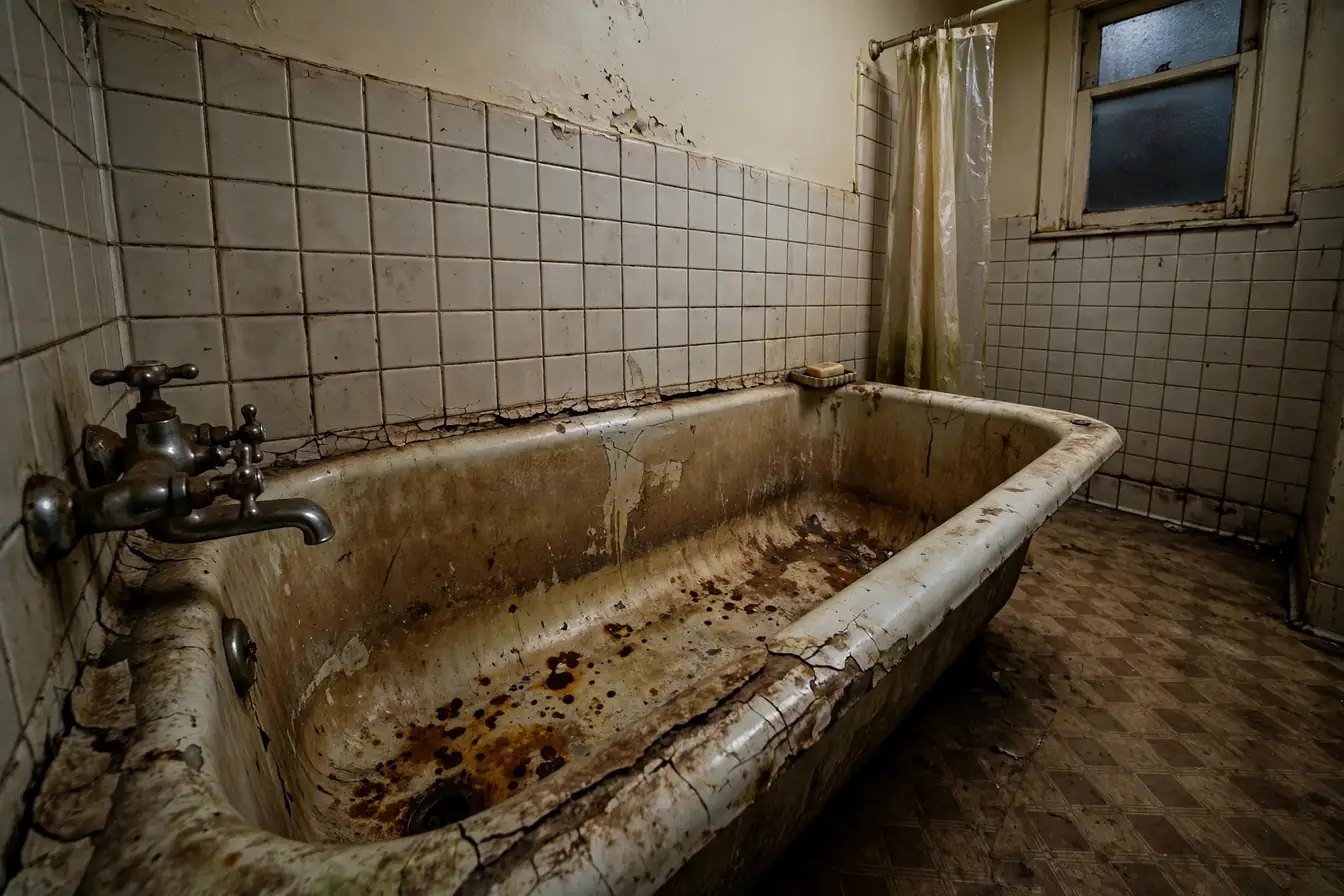 Before
 After
The photos above are illustrations that show the kind of change this work brings. They are not photos of a real job.
Preparing for Bathtub Installation
A little prep keeps install day smooth and protects the rest of your home.
Measure every doorway on the path. Note door widths and tight turns from the street to the bathroom. The pro measures too, but your notes speed the plan.
Clear a path and the work area. Move rugs, hampers, and stored items out of the bathroom and the hallway. Crews carry a large, heavy object through.
Decide on the surround early. Tile, panels, or keeping the old surround changes the schedule. Decide before install day so materials are on site.
Plan for days without that tub. An alcove swap often takes one to two days, longer with repairs or tile. Arrange shower access elsewhere in the home.
Protect nearby floors. Crews lay drop cloths, but move fragile items and valuables out of the path anyway.
Ask about disposal upfront. Confirm the old tub haul away is in the quote, including cast iron break up when that applies.
Frequently Asked Questions
Will the new tub fit through my door?
Usually yes, but the plumber measures first. Standard tubs pass through most bathroom doors. Freestanding and corner tubs are wider and sometimes need a door pulled off its hinges. For tight turns, some tubs can be ordered in two pieces. Measure before you buy, not after.
How long does it take to install a bathtub?
A straightforward alcove swap often takes one to two days. Add time for subfloor repair, a new tile surround, or drain relocation, and the job can run three to five days. The plumber gives you a schedule with the quote so you can plan around the downtime.
Can my second floor hold a cast iron tub?
Often yes, but it must be checked. A filled cast iron tub can weigh over 500 pounds plus the bather. The plumber inspects the joists and adds reinforcement when needed. When in doubt, acrylic gives you the deep soak without the weight worry.
Can I keep my existing tile surround?
Sometimes. If the tile is sound and the new tub matches the old footprint, the plumber can work carefully to save it. If the tub size changes or the tile is already loose, a new surround is the cleaner result. The pro will give you an honest read during the visit.
Do I need a permit to replace a bathtub?
A like for like swap in the same spot often needs no permit, but rules vary by city. Moving the tub, changing the drain, or adding jets and electrical work usually triggers a permit. The local pro knows your area rules and handles the paperwork when required.
What happens to my old tub?
The plumber hauls it away as part of the job in most quotes. Cast iron tubs are typically broken up in place because they are too heavy to carry out whole. Confirm disposal is included when you approve the price, so there is no surprise pile left behind.
Should I get a jetted tub?
Only if you will truly use the jets. They add cost, need a dedicated circuit, and demand regular cleaning so the lines stay fresh. Many homeowners love them for a year and then never turn them on. A deep soaker gives most of the comfort with none of the upkeep.
Soaker or jetted: which holds heat better?
A deep soaker with thick walls, especially cast iron, holds heat longest. Jetted tubs lose some heat through the pump lines and air jets, and the water volume is often larger. If long hot soaks are the goal, depth and material matter more than jets.
What if my drain does not line up with the new tub?
The plumber re-runs the drain line to the new position, which usually means cutting the floor and patching after. The cost depends on access and distance. This is why drain position gets confirmed before you buy, not after the tub arrives.
Can a walk-in tub use my existing drain and water heater?
Walk-in tubs fill and drain slower than standard tubs, so drain size and water heater capacity both matter. The plumber checks both before you buy. A larger heater or a faster drain may be part of the plan, and both should be priced before install day.
Is repair ever better than replacement?
Yes, when the fault is limited. A worn drain, a failed overflow seal, or surface chips can be repaired for far less than a new tub. If the shell is cracked through, rust has perforated the metal, or the tub flexes on lost support, replacement is the honest call.
More Plumbing Help
Bathtub Repair|Bathroom Plumbing|Shower Installation|Plumbing Installation|All Services
Ready for a Tub You Will Actually Enjoy?
One call connects you with a local pro who measures first, sets the tub level, and tests every joint with a full tub of water. Call now and talk through size and style.
(888) 418-3086 Call NowThe Deston is a referral service that connects homeowners with independent local plumbers. We are not a plumbing company.