
Whole-House Repiping
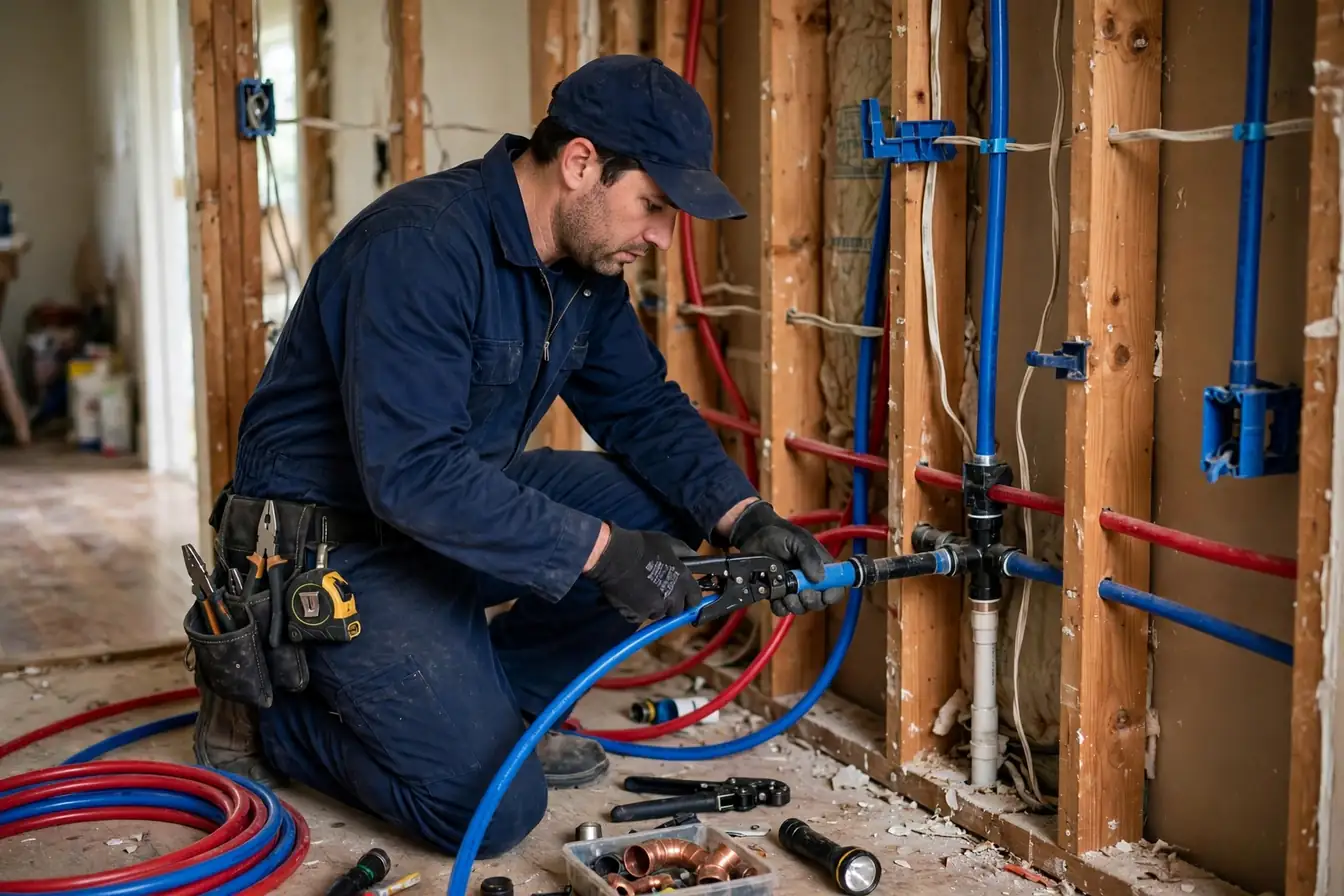
Repiping means replacing the water supply pipes throughout your home. Not one section. Not one line. The full system, from where water enters the house to every faucet, shower, and appliance. It is the biggest plumbing project most homeowners ever face, and for homes with failing pipes, it is also the most worthwhile.
Whole-House Repiping Services
Most homes need repiping once. Galvanized steel pipes from the mid-1900s last 40 to 50 years. Many are now well past that. When leaks multiply and water quality drops, patching stops making sense.
The Deston is a nationwide referral service. We connect homeowners with independent local plumbers in all 50 states. We are not a plumbing company and we do not employ technicians. Call (888) 418-3086 and we will match you with a local pro who does whole-house repipes. That plumber inspects your home, recommends a material, and gives you upfront pricing.
Repiping is a big decision with material choices that deserve their own guides. Compare copper repiping against PEX repiping before you commit. If your main service line is the problem rather than the indoor pipes, see water line replacement. For smaller isolated issues, pipe repair services may be all you need.
Signs You Need Whole-House Repiping
One sign is a repair. A pattern of signs means the system is wearing out everywhere.
Leaks that keep coming back
One repair holds, then another pipe springs a leak next month. A pattern of failures means the system is wearing out everywhere, not just in one spot.
Discolored water
Brown, yellow, or rusty water, especially after the taps sit unused overnight, signals corrosion inside the pipes. Flakes of rust break off and ride the flow.
Water pressure dropping over the years
Corrosion and mineral scale narrow old pipes from the inside. If pressure has faded gradually and cleaning aerators no longer helps, the pipes themselves are closing up.
Galvanized steel pipe over 40 years old
Check your basement or crawl space. Dull gray pipes with threaded fittings are galvanized steel. Past 40 years, they are living on borrowed time.
Metallic taste in tap water
Corroding pipes shed metal into the water. A metallic taste or smell is your water telling you what the pipes look like inside.
Visible corrosion and flaking
Rust, green crust, or flaking on exposed pipe is the outside matching the inside. What you can see is usually the best-case view.
How Whole-House Repiping Works
Match, walk, quote, prep, install, patch, test, walk through.
- 1
Get matched with a repipe specialist
Call (888) 418-3086. The Deston connects you with an independent local plumber experienced in whole-house repipes. This is specialized work, so experience matters more than with a simple repair.
- 2
Walk the home and plan
The plumber maps every fixture, counts bathrooms, and notes access points. They check the attic, crawl space, and basement for the cleanest pipe routes. You discuss material choice, copper or PEX, and what each means for price and performance.
- 3
Receive an upfront quote
Repipe quotes should be fixed and detailed: the material, the number of fixtures, permit handling, drywall patching, and the timeline. Beware of vague estimates on a job this size. Get everything in writing.
- 4
Prepare the house
The crew covers floors and furniture. Water gets shut off during work hours and usually restored each evening. You can typically stay in the home during a repipe, with water available at night.
- 5
Install the new system
New lines run through attics, crawl spaces, and walls to each fixture. Old pipe is disconnected and usually left in place inside walls to avoid extra demolition. Each fixture gets tied into the new system and tested.
- 6
Patch, test, and walk through
Opened drywall gets patched. The full system is pressure-tested. The plumber walks you through every fixture, checks for leaks, and confirms hot and cold run correctly before final payment.
Can You Stay in Your Home During Repiping?
Usually yes. Crews shut the water off during work hours and restore it each evening so you have water overnight. There will be noise, dust, and workers moving through the house. If you work from home, plan around the disruption.
Crews open sections of drywall to run new lines, but experienced repipe specialists keep openings small and few. They patch what they open. Texture matching and paint are sometimes extra, so ask upfront what the quote covers.
Get at least two quotes from local pros. Each should be a fixed price, not a guess. Ask whether drywall patching and texture matching are included, or if you need a separate drywall contractor. Ask about the warranty on both materials and labor. A repipe is a decades-long investment, so the cheapest bid is not always the best value.
Repiping Types and Options
Copper, PEX, partial, or paired with fixture upgrades.
Copper repiping
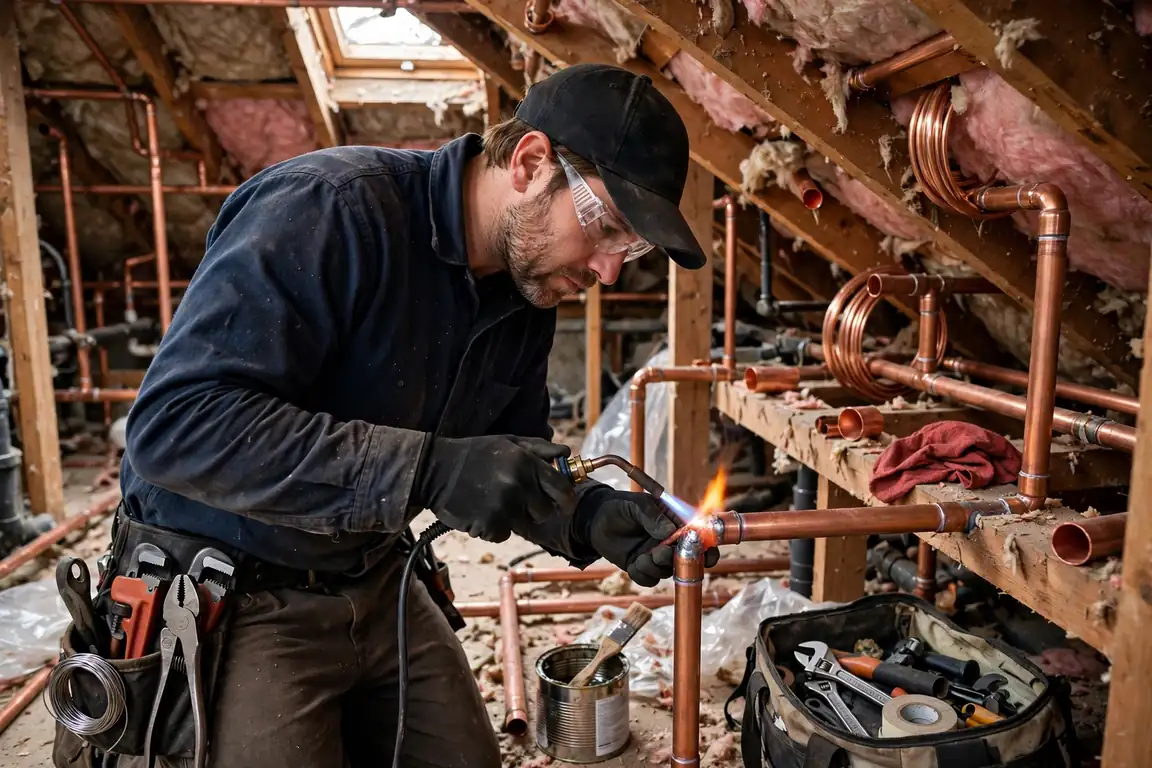
The traditional premium choice. Copper lasts 50 years or more, handles heat well, and adds perceived value at resale. It costs more in materials and labor because every joint is soldered. Learn more in our guide to copper repiping.
PEX repiping
The modern standard for most homes. Flexible PEX tubing snakes through walls with far fewer joints, which means fewer future leak points and faster installs. It costs less than copper and resists freeze damage better. Our PEX repiping guide covers the details.
Partial repiping and fixture upgrades
When only the worst lines are failing, a plumber may recommend replacing part of the system now. This suits tight budgets, but be honest about the remaining old pipe. A partial job on a fully worn system just delays the inevitable. Many homeowners pair a repipe with new shutoff valves at every fixture, and sometimes new faucets or a water heater connection. The walls are already open, so the added labor is small compared to doing it later.
What Whole-House Repiping Costs
Figures below are United States national averages for reference only. Repipe quotes should be fixed and detailed.
| Job | Typical range |
|---|---|
| Typical single-family home, whole-house repipe | $4,000 to $15,000 |
| PEX jobs | Toward the lower half of that range |
| Copper jobs | Toward the upper half of that range |
| Small homes with one bathroom | Can come in under $4,000 |
| Large two-story homes with slab foundations | Can exceed $15,000 |
| Permits and inspections | Add a few hundred dollars in most areas |
Before and After: Repiping Services
Corroded galvanized pipe becomes a clean new copper and PEX system.
 Before
 After
The photos above are illustrations that show the kind of change this work brings. They are not photos of a real job.
Choosing a Repipe Plumber
This is specialized work, so experience matters more than with a simple repair.
Ask how many repipes they do per year. A specialist will answer confidently. A generalist who rarely repipes may not be the right fit for a job this size.
Ask for references from recent repipe customers. Recent repipe customers can speak to dust, timeline, and patching quality.
Check permits and inspections. Check that they pull permits and schedule inspections.
Get the quote fixed and detailed. Material, fixture count, permit handling, drywall patching, and timeline should all be in writing.
Ask what patching covers. Texture matching and paint are sometimes extra, so ask upfront what the quote covers.
Keep the paperwork for buyers. Keep the permit records and warranty paperwork for future buyers.
Frequently Asked Questions
How long does a whole-house repipe take?
Most homes take one to three days for the plumbing work. A small single-story home with good access can finish in a day. Larger or two-story homes take two to three days. Drywall patching and paint may add a few more days after the pipes are done.
Can I stay in my home during repiping?
Usually yes. Crews shut the water off during work hours and restore it each evening so you have water overnight. There will be noise, dust, and workers moving through the house. If you work from home, plan around the disruption.
Should I choose copper or PEX?
Both are excellent when installed well. PEX costs less, installs faster, and handles freezing better. Copper lasts longer on paper and some buyers prefer it. Water chemistry matters: aggressive water can pit copper, which favors PEX. Your plumber can advise based on your local water.
Will repiping damage my walls?
Crews open sections of drywall to run new lines, but experienced repipe specialists keep openings small and few. They patch what they open. Texture matching and paint are sometimes extra, so ask upfront what the quote covers.
Does repiping increase home value?
New plumbing is a strong selling point, especially in older neighborhoods where buyers fear galvanized pipe. It may not add dollar-for-dollar value, but it removes a major objection and can speed up a sale. Keep the permit records and warranty paperwork for future buyers.
What about the old pipes? Do they get removed?
Usually they stay. Pulling old pipe out of finished walls would double the demolition. The crew disconnects the old system, caps it, and leaves it in place. New lines run alongside through the easiest routes.
How do I know my plumber is qualified for a repipe?
Ask how many whole-house repipes they do per year. Ask for references from recent repipe customers. Check that they pull permits and schedule inspections. A specialist will answer confidently. A generalist who rarely repipes may not be the right fit for a job this size.
Why do shower temperatures swing in old homes?
When someone flushes and your shower turns scalding or freezing, old restricted pipes cannot balance the flow. New properly sized lines fix the swings, since corrosion and mineral scale no longer narrow the pipes from the inside.
What if only part of my system is failing?
When only the worst lines are failing, a plumber may recommend replacing part of the system now. This suits tight budgets, but be honest about the remaining old pipe. A partial job on a fully worn system just delays the inevitable.
What if the main service line is the problem?
If your main service line is the problem rather than the indoor pipes, see water line replacement. For smaller isolated issues, pipe repair services may be all you need.
Should I upgrade fixtures during a repipe?
Many homeowners pair a repipe with new shutoff valves at every fixture, and sometimes new faucets or a water heater connection. The walls are already open, so the added labor is small compared to doing it later.
How do I compare two repipe quotes?
Get at least two quotes from local pros. Each should be a fixed price, not a guess. Ask whether drywall patching and texture matching are included, or if you need a separate drywall contractor. Ask about the warranty on both materials and labor.
What does galvanized pipe look like?
Check your basement or crawl space. Dull gray pipes with threaded fittings are galvanized steel. Past 40 years, they are living on borrowed time, and visible corrosion and flaking on exposed pipe is the outside matching the inside.
Does The Deston charge for the referral?
No. The Deston is a nationwide referral service, and the referral is free. You pay the local plumber for the repipe work, and that is all.
More Plumbing Help
Copper Repiping|PEX Repiping|Pipe Repair|Water Line Replacement|All Services
The Biggest Project, and the Most Worthwhile.
One call matches you with a local repipe specialist who inspects your home, recommends a material, and gives you upfront pricing. Call now.
(888) 418-3086 Call NowThe Deston is a referral service that connects homeowners with independent local plumbers. We are not a plumbing company.