
Pipe Repair Services
Pipes fail in many ways. A pinhole leak mists a cabinet. A loose joint drips behind a wall. Corrosion thins a line until it gives. Pipe repair services cover the full range of these everyday failures, from the small drip you can hear at night to the soaked drywall you find on a Monday morning.
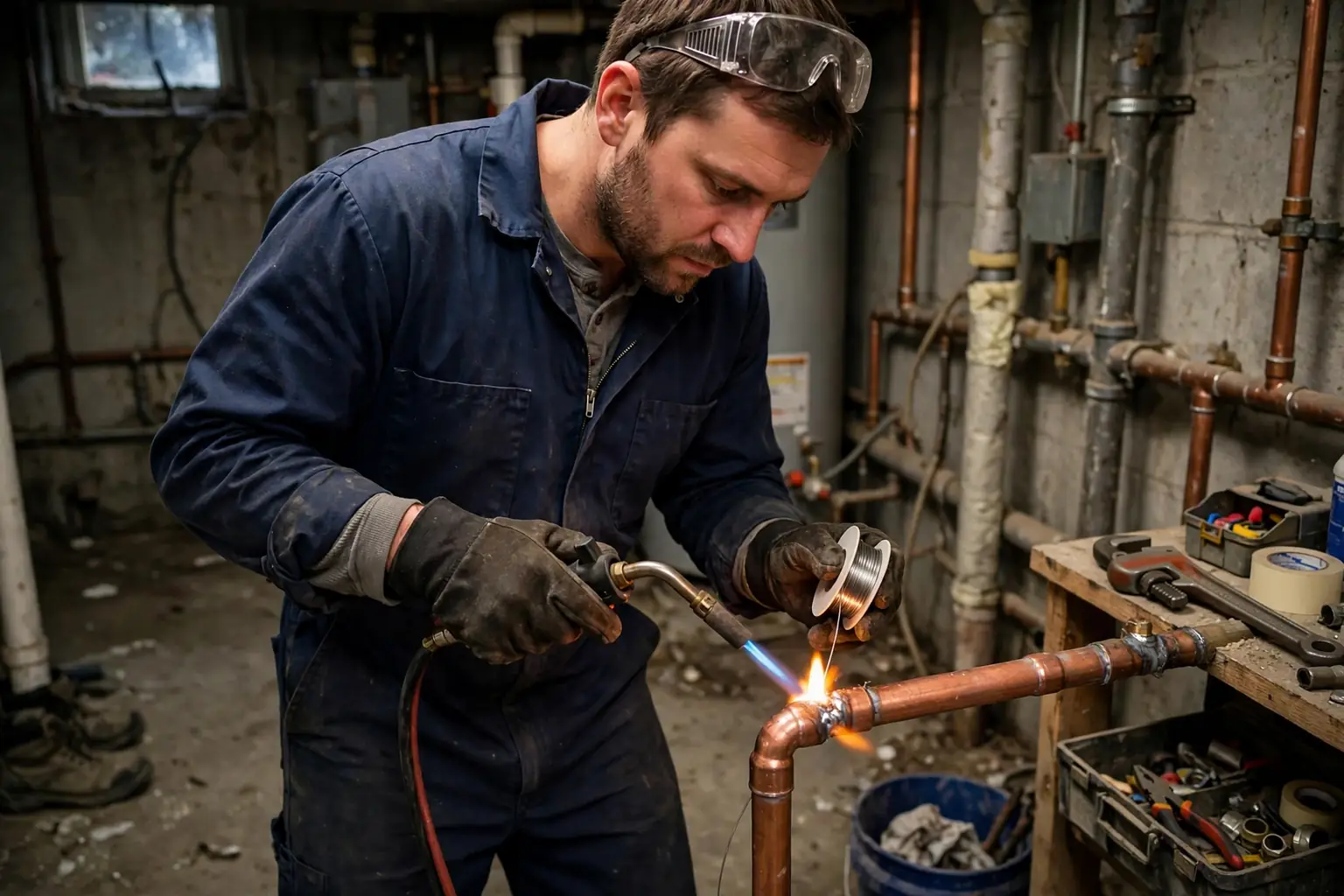
Pipe Repair for Everyday Failures
Not every pipe problem needs a new plumbing system. Many need a skilled repair in the right spot. The Deston is a nationwide referral service connecting homeowners with independent local plumbers in all 50 states. We are not a plumbing company. We do not send our own technicians. When you call (888) 418-3086, we match you with a local pro who diagnoses your pipe problem and quotes the repair upfront. You stay in control of every decision.
Age and pattern decide repair versus replacement. One leak from accidental damage in newer pipe calls for a repair. Repeated leaks, widespread corrosion, or discolored water point to a system wearing out. A plumber can show you the inside of the pipe with a camera or cut a sample so you see the condition yourself.
Small drips cause big damage over time. A drip a second wastes gallons a day and keeps wood and drywall wet enough to rot and grow mold. Fixing it early is almost always cheaper than repairing the damage it causes while ignored.
Signs You Need Pipe Repair
The pipe tells you where it plans to fail next. Listen to it.
Visible drips under sinks
Open the cabinet and look at supply lines and trap connections. Even a slow drip rots cabinet floors and feeds mold.
Water stains on walls or ceilings
Brown rings or spreading discoloration mark where water has been traveling inside the structure. The leak sits above or behind the stain.
Rust-colored or cloudy water
Discolored water from a tap often means corrosion inside the pipes. Flakes of rust break loose and ride the flow to your faucet.
A musty smell with no clear source
Hidden leaks keep building materials damp. That dampness grows mold, and mold announces itself by smell long before you see it.
Unexplained puddles near fixtures
Water at the base of a toilet, behind a washing machine, or under a water heater points to a failing connection or a cracked line.
Knocking or rattling when water runs
Loose pipes bang against framing. The movement stresses joints over time and eventually opens leaks at the weakest fitting.

How Pipe Repair Works
Describe, diagnose, review options, shut off, repair, pressurize and verify.
- 1
Describe the problem
Call (888) 418-3086 and The Deston connects you with an independent local plumber. Tell them what you see, hear, or smell. Photos of stains or drips help the plumber arrive with the right parts.
- 2
Inspect and diagnose
The plumber traces the symptom to its source. They check visible pipe, test joints, and may use a moisture meter on walls. For hidden lines, acoustic listening can find a leak without opening every wall.
- 3
Review the fix options
Small, isolated damage may need only a coupling or a short section swap. Widespread corrosion may point toward replacing a longer run. The plumber explains each option with a price so you can weigh repair against replacement.
- 4
Shut off and drain
The plumber closes the nearest shutoff, or the main valve, and drains the line. Working on a live pressurized pipe is not an option. This step also confirms the shutoff valves themselves still work.
- 5
Make the repair
The damaged length comes out. New pipe goes in with the right joining method for the material: soldered joints for copper, crimp or expansion fittings for PEX, solvent weld for CPVC. Every joint gets checked twice.
- 6
Pressurize and verify
Water comes back on slowly. The plumber watches the repair and surrounding joints under full pressure, runs nearby fixtures, and confirms the original symptom is gone before packing up.
Repair or Replace: the Honest Call
Green or white crust on copper pipe is a warning, not a decoration. Mineral crust around a joint or along a copper line signals a slow seep, and the pipe is telling you where it plans to fail next. Pinholes come from inside corrosion, often linked to water chemistry. Aggressive or acidic water eats the pipe wall until tiny holes form. High water velocity and certain flux residues from installation can speed it up. A water test can confirm whether your water is hard on copper.
Water bills creeping upward are another early signal. A small constant leak adds up, and if usage looks normal but the bill keeps rising, a hidden pipe leak may be the cause. The same logic applies to a musty smell with no clear source: hidden leaks keep building materials damp, and dampness grows mold long before you see it.
Can old galvanized pipes be repaired? They can, but repairs on galvanized steel are often temporary. The pipe corrodes from the inside, so new leaks tend to follow the fix. Many plumbers recommend replacing galvanized runs with copper or PEX rather than patching them again and again. When one section fails and the plumber finds thin walls or heavy corrosion along the entire run, replacing the whole run is the honest recommendation. It costs more than a patch but ends the cycle of repeat service calls.
Is epoxy pipe lining a permanent fix? Lining can last for decades when applied to pipe that still has structural strength. It seals pinholes and slows further corrosion. It cannot save pipe that is crushed, split, or paper-thin. A plumber should verify the pipe condition with a camera before recommending it, and epoxy lining for a single run takes a day for prep and cure.
Pipe Repair Types and Options
The method follows the damage, not the other way around.
Coupling and clamp repairs
For a small hole or crack in an otherwise healthy pipe, a repair coupling or clamp can seal the spot. This is a targeted fix, best for accidental damage like a nail through a line, not for pipe that is failing from age.
Section replacement
The workhorse of pipe repair. The bad length gets cut out and new pipe spliced in. It suits pinhole clusters, split sections, and corroded runs where the damage stays within a defined area.
Joint repair, epoxy lining, and run replacement
Many leaks start at joints, not in the pipe wall. A weeping solder joint on copper can be cleaned and re-soldered. Threaded joints may need resealing with fresh tape or compound. Fixing the joint saves the pipe. A resin coating applied inside the pipe seals pinholes along a whole run without opening walls, and it fits situations where leaks keep popping up along one line but the pipe still has structural strength. When one section fails and the plumber finds thin walls or heavy corrosion along the entire run, replacing the whole run is the honest recommendation.
What Pipe Repair Costs
Figures below are United States national averages for reference only. The plumber you meet through The Deston gives you upfront pricing before any work starts.
| Job | Typical range |
|---|---|
| Simple accessible repair, exposed pipe in a basement | $150 to $400 |
| Repair inside finished walls, opening and patching included | $300 to $800 |
| Fixing a leaking joint | $150 to $350 |
| Epoxy lining for a single run | $1,000 to $3,000 depending on length and access |
| After-hours calls | Carry premiums, priced in the quote |
Before and After: Pipe Repair
A seeping joint becomes a dry, tested section.
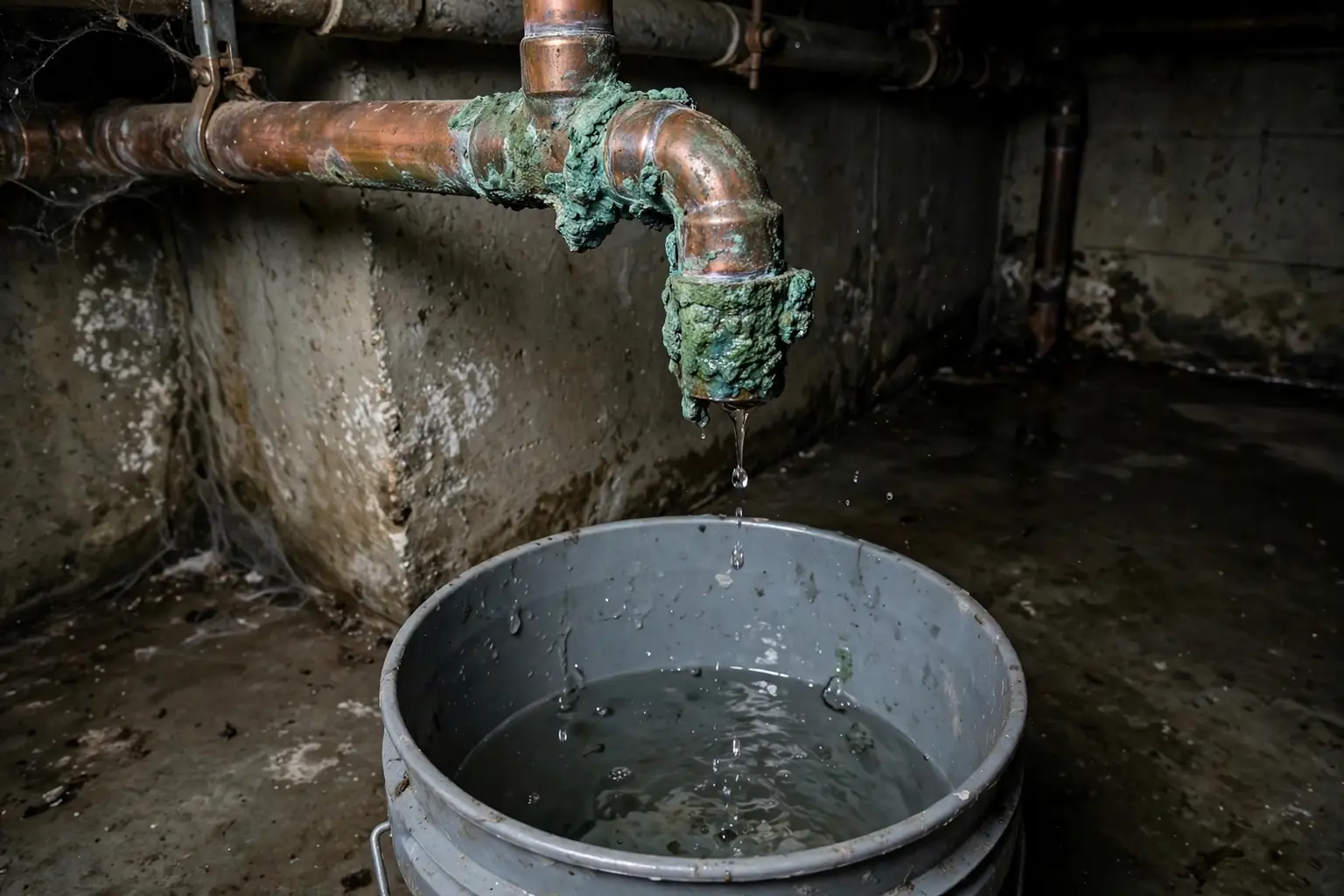 Before
 After
The photos above are illustrations that show the kind of change this work brings. They are not photos of a real job.
Preparing for Pipe Repair
A little prep keeps the visit fast and the opening small.
Photograph the stain or drip. Photos help the plumber arrive with the right parts.
Note what you hear and smell. Knocking, musty smell, and bill creep all point to the source.
Clear access to the pipe. Move stored items from cabinets, basements, and wall runs.
Find your main shutoff now. The pro will use it, and knowing where it is saves minutes.
Ask what the quote includes. Method, material, and wall or ceiling patching should all be named.
Ask to see the damage. If a longer run is recommended, ask the pro to show the corrosion.
Frequently Asked Questions
How do I know if a pipe needs repair or full replacement?
Age and pattern decide. One leak from accidental damage in newer pipe calls for a repair. Repeated leaks, widespread corrosion, or discolored water point to a system wearing out. A plumber can show you the inside of the pipe with a camera or cut a sample so you see the condition yourself.
Can old galvanized pipes be repaired?
They can, but repairs on galvanized steel are often temporary. The pipe corrodes from the inside, so new leaks tend to follow the fix. Many plumbers recommend replacing galvanized runs with copper or PEX rather than patching them again and again.
How long does a typical pipe repair take?
Most straightforward repairs finish in one to three hours. Repairs inside finished walls take longer because of the opening and patching. Epoxy lining may need a day for prep and cure. Your plumber will give you a time estimate with the quote.
Will the plumber have to tear open my walls?
Only as much as needed to reach the damage. Pros use listening tools and moisture meters to open the smallest area possible. A good plumber patches drywall neatly, though repainting is usually on you. Ask what the quote includes for restoration.
What causes pinhole leaks in copper pipe?
Pinholes come from inside corrosion, often linked to water chemistry. Aggressive or acidic water eats the pipe wall until tiny holes form. High water velocity and certain flux residues from installation can speed it up. A water test can confirm whether your water is hard on copper.
Is epoxy pipe lining a permanent fix?
Lining can last for decades when applied to pipe that still has structural strength. It seals pinholes and slows further corrosion. It cannot save pipe that is crushed, split, or paper-thin. A plumber should verify the pipe condition with a camera before recommending it.
Should I worry about one small drip?
Yes. Small drips cause big damage over time. A drip a second wastes gallons a day and keeps wood and drywall wet enough to rot and grow mold. Fixing it early is almost always cheaper than repairing the damage it causes while ignored.
Why is my water bill rising with no change in use?
A small constant leak adds up. If usage looks normal but the bill keeps rising, a hidden pipe leak may be the cause. The plumber traces the symptom with listening tools and moisture meters before opening walls.
What does green crust on copper mean?
Mineral crust around a joint or along a copper line signals a slow seep. The pipe is telling you where it plans to fail next, so a crusty joint deserves a pro look before it becomes a burst.
Why do my pipes knock when water runs?
Loose pipes bang against framing. The movement stresses joints over time and eventually opens leaks at the weakest fitting. The fix is securing the pipe and checking the stressed joints.
When is a clamp repair enough?
For a small hole or crack in an otherwise healthy pipe, a repair coupling or clamp can seal the spot. It is best for accidental damage like a nail through a line, not for pipe that is failing from age.
What if the leak is under concrete?
Hidden leaks under concrete are covered in slab leak repair, which uses different detection and access methods. Tell your pro about the slab location so the right tools arrive.
What if a line ruptures outright?
When a line ruptures outright, see burst pipe repair for emergency shutoff and replacement guidance. Shut the main valve first, then call.
When does a whole system need repiping?
If your whole system is aging out, read about whole-house repiping. Repeated leaks across many runs, widespread corrosion, and discolored water all point that way.
More Plumbing Help
Slab Leak Repair|Burst Pipe Repair|Repiping Services|Plumbing Repair|All Services
Fix the Drip Before It Becomes Damage.
One call connects you with a local pro who traces the leak, prices repair against replacement honestly, and verifies the fix under full pressure. Call now.
(888) 418-3086 Call NowThe Deston is a referral service that connects homeowners with independent local plumbers. We are not a plumbing company.