
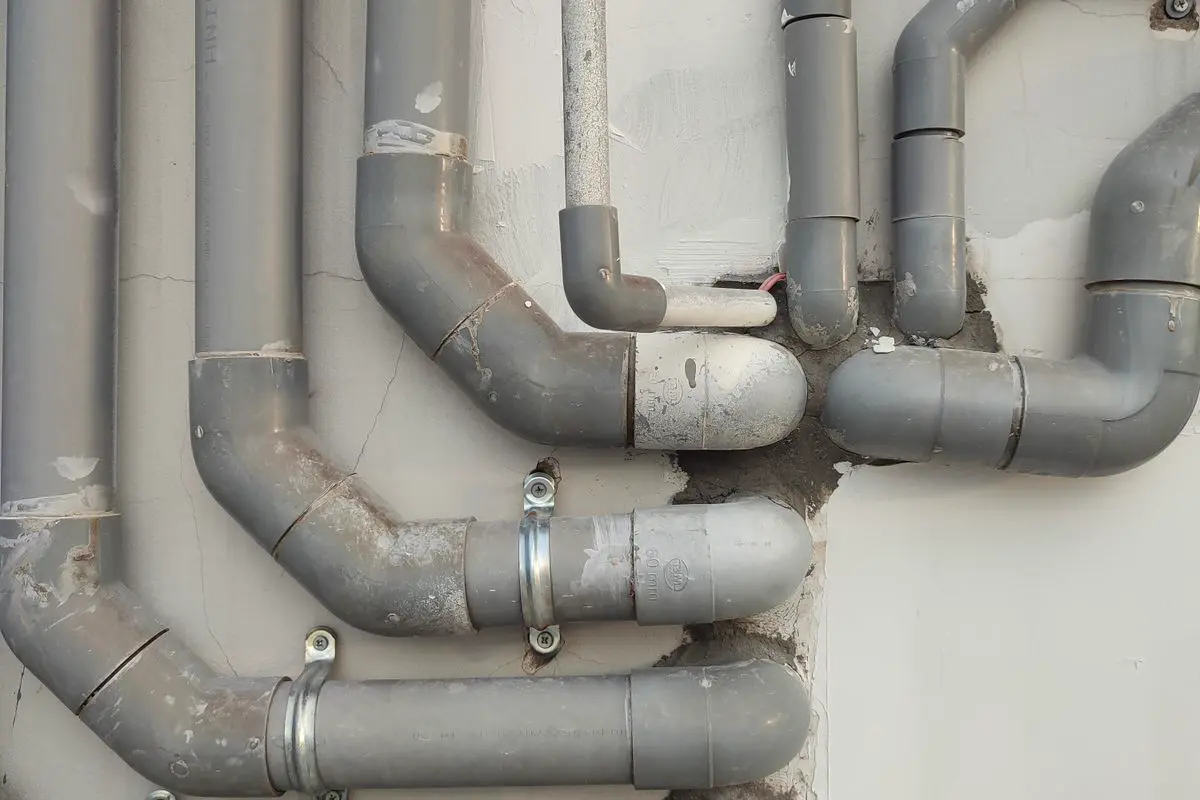
PEX Plumbing: a Complete Homeowner’s Guide
PEX plumbing uses flexible plastic tubing to carry water in homes. PEX stands for cross linked polyethylene, a tough plastic type. It bends around corners with few joints in the run. This guide explains how PEX works and where it fits. You will learn pros, limits, costs, and care steps. Use it to judge if PEX suits your home or next project.
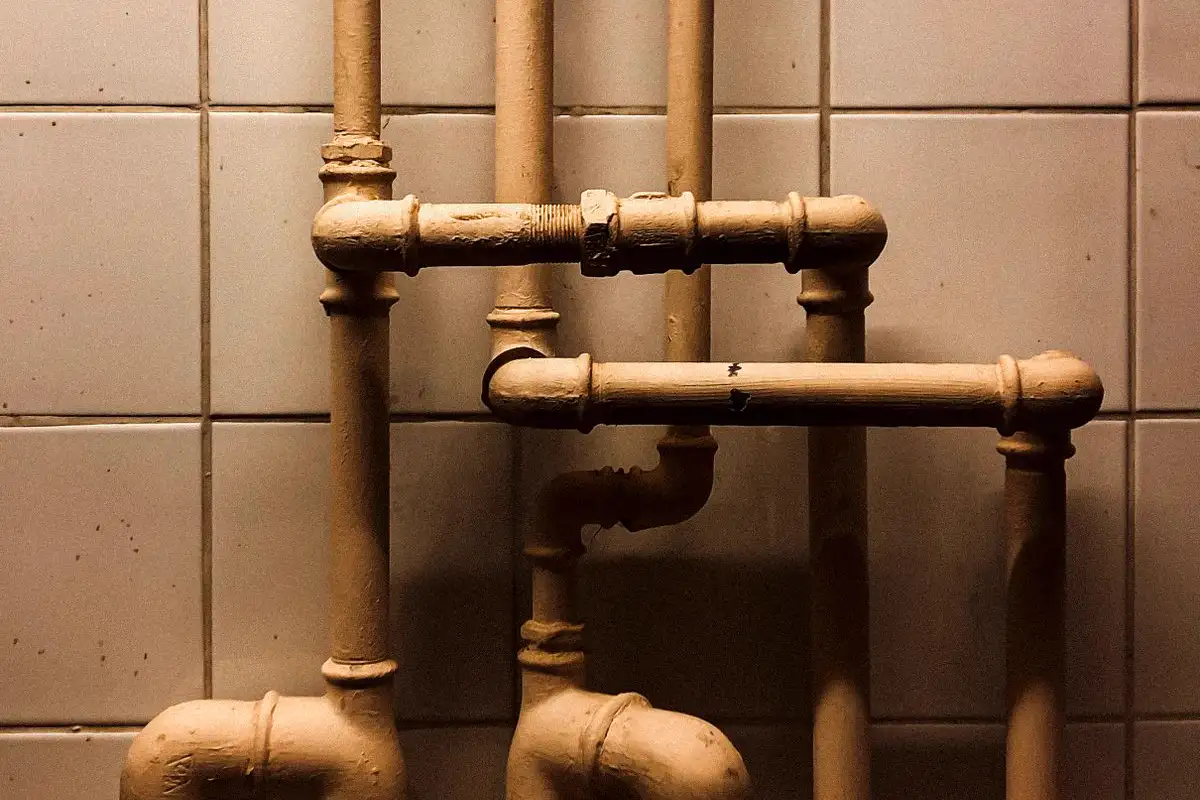
What PEX Plumbing Is
PEX is a flexible tube made from cross linked polyethylene. Cross linking bonds plastic chains for strength and heat tolerance. The tube bends with ease around joists and studs. Fewer joints mean fewer leak points in each run. A joint is a spot where two pipe parts meet. Each joint is a place leaks can start with time. Long PEX runs cut joint counts a lot.
PEX comes in red, blue, and white coils or sticks. Red marks hot water lines in most installs. Blue marks cold water lines in most installs. White serves either hot or cold lines with ease. Color marks help pros trace lines fast later. The colors do not change how the tube works. They just make hot and cold easy to spot.
PEX serves supply lines that carry clean water to taps. It does not serve drain lines or gas lines. Drain lines need wide rigid pipes for waste flow. Gas lines need steel or rated gas pipe types. PEX suits new homes, remodels, and repipes well. Repiping means swapping old supply lines through a home. It fits tight spaces where rigid pipes struggle.
PEX Types and Fittings
PEX A is the most flexible PEX type sold. It bends tight and springs back from kinks. Kinks are sharp folds that narrow flow in a tube. PEX A uses expansion fittings that grip as they shrink. Expansion means the tube mouth stretches, then grips tight. These joints hold strong and need few tools. PEX A costs more than other types in most stores.
PEX B is stiffer and holds shape well in runs. It uses crimp or clamp rings to seal joints. A crimp ring is a metal band pressed tight on the joint. PEX B costs less and suits most home jobs well. It kinks less well than PEX A when bent wrong. A kinked PEX B run may need a repair coupling. A coupling is a short part that joins two tube ends.
PEX C is less common in home supply work today. It uses a different curing method in the plant. It suits some radiant heat jobs with care. Radiant heat warms floors with warm water loops. Most home repipes use PEX A or PEX B. Ask your pro which type fits your job best. Type choice shapes tools, cost, and joint style.
Fittings join PEX to taps, valves, and fixtures. Brass fittings suit most PEX joints with ease. Plastic fittings cost less but suit low stress spots. Manifolds split one main line into many fixture runs. A manifold is a hub with one inlet and many outlets. Each outlet can have its own shutoff valve. Manifolds ease future repairs to single fixtures.
Pros of PEX Plumbing
PEX resists rust and scale buildup inside lines. Rust is the flaking that narrows old steel pipes. Scale is hard mineral crust from tap water. Smooth PEX walls keep flow strong for years. PEX also resists freeze bursts better than rigid pipes. It can swell a bit when water freezes inside. That swell gives ice room and cuts burst risk. It is not freeze proof, so insulate cold runs still.
PEX installs fast, which trims labor costs a lot. Long coils snake through walls with few joints. Crews can repipe a home in days, not weeks. Less wall cutting means less patch work after. Quieter flow is another plus for many owners. PEX damps water noise better than copper lines. Showers and flushes sound softer through walls. Quiet pipes suit bedrooms near baths well.
PEX costs less than copper for most whole home jobs. Tube costs run lower and labor runs lower too. Fewer fittings also trim parts costs per run. Savings grow on large homes with many fixtures. PEX also suits additions with long awkward runs. A coil can thread through attics with ease. Rigid copper needs more joints in such runs.
Limits and Risks to Know
PEX cannot sit in direct sun for long spells. Sunlight breaks down the tube walls over time. Keep coils and runs out of sunlit spots. PEX also cannot run outside with no cover. Cold, sun, and pests can harm bare outdoor runs. Sleeves and covers guard outdoor PEX with care. A pro should shield any run that leaves the home.
PEX cannot serve as a ground path for power systems. Old copper lines once grounded home power setups. A PEX repipe breaks that ground path at once. An electrician must add a proper ground rod. A ground rod is a metal rod that grounds power safely. Coordinate plumbing and power work on repipes. Skipping this step leaves a safety gap.
Rodents can chew PEX in rare cases too. Rats and mice gnaw soft tubes in wall gaps. Seal gaps and set traps where signs show. Some owners add sleeves in pest prone spots. Chlorine in town water can age some PEX types. High chlorine towns need PEX rated for such water. Ask the maker rating before you pick a type. Ratings guard against early wear in harsh water.
PEX Compared With Copper
Copper lasts long and resists pests and sun well. It costs more and needs solder joints at each turn. Solder is melted metal that seals copper joints. Solder work needs flame, which adds fire care. Copper can burst in hard freezes with no swell room. It also grows pinhole leaks in harsh water towns. Pinholes are tiny holes from corrosion inside walls.
PEX bends, costs less, and installs much faster. It cannot match copper for outdoor or sunlit runs. Copper suits exposed runs in garages with ease. PEX suits hidden runs in walls and floors best. Many homes mix both types by zone with care. A pro can map zones that suit each type. Mix with proper transition fittings at each joint.
Water taste rarely differs between PEX and copper. Some owners note a plastic taste in new PEX first. Flush new lines for a few days to clear it. If taste stays for weeks, call the installer to check. A bad fitting or wrong tube type may be at play. Most taste notes fade fast with normal use. Clean flushes help new lines settle with ease.
Repiping a Home With PEX
A repipe starts with a walk through and a pipe map. The pro notes fixture counts and old pipe paths. They plan new runs with few joints and clear access. They set a manifold spot if the plan uses one. Work often runs room by room to limit mess. Water shuts off in zones while crews swap lines. Most homes keep some water each night.
Crews cut small access holes to thread coils through. They pull old lines out or leave them dead in walls. Dead lines are old pipes left in place, capped off. New lines join fixtures with fresh valves and fittings. Each run gets a pressure test before walls close. A pressure test proves joints hold with no leaks. Ask to see test results before patch work starts.
Patch and paint work follows the pipe work in most jobs. Small holes need mud, sand, and paint to vanish. Ask who handles patch work in the quote. Some plumbers patch, while others leave it to owners. Clear scope stops disputes at the end of work. Keep the pipe map for future repair reference. A map speeds every later fix a lot.
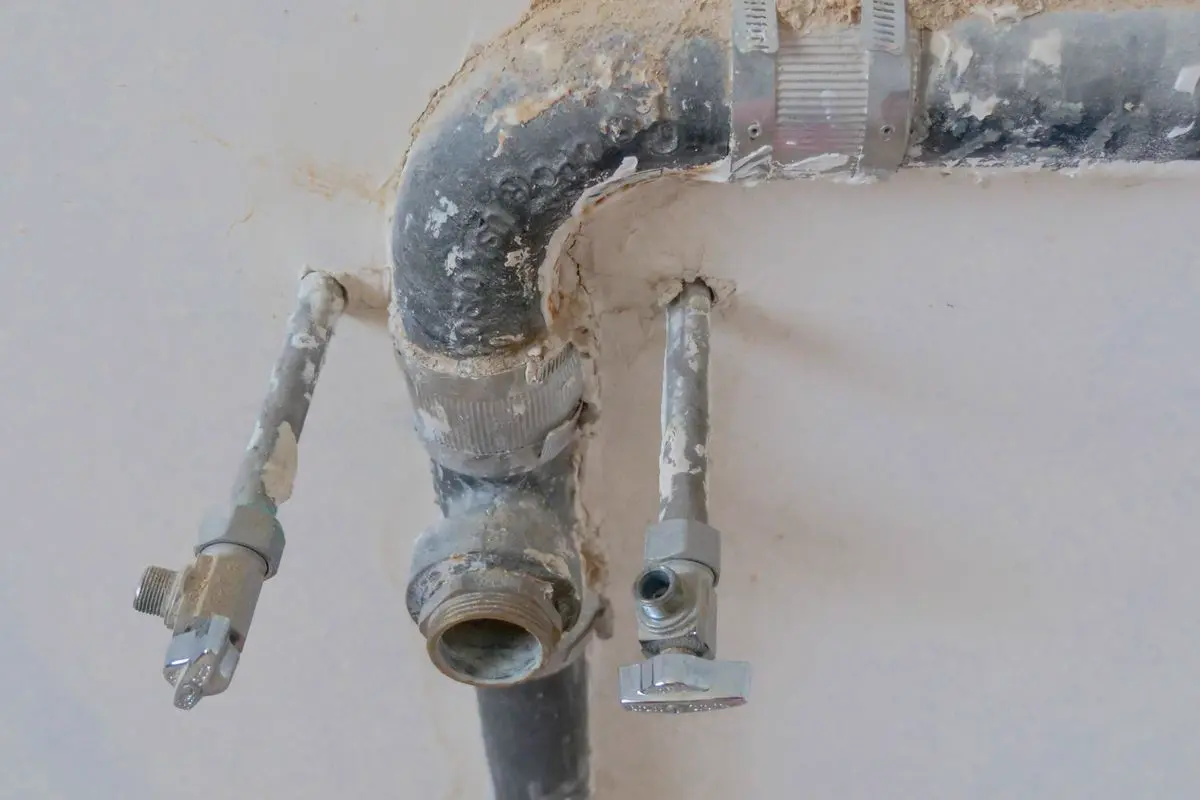
Costs of PEX Work
PEX repipes cost less than copper repipes in most homes. Tube, fittings, and labor all run lower than copper. Small jobs like one bath cost far less than whole homes. National averages put a whole home PEX repipe at $4,000 to $12,000. Home size, bath count, and access shape the price. Two story homes cost more than one story homes. Ask for line item prices before you approve work.
Manifolds, valves, and patch work add to base costs. Permit fees add cost in towns that require them. A permit is town approval for planned pipe work. Ask if the quote covers permits and patch work. Ask how long water will be off each day. A clear plan cuts stress during repipe days. The Deston can connect you with an independent local plumber. That plumber can walk your home and price the job.
Insulate PEX runs in cold spots like garages and crawl spaces. PEX resists freeze bursts better than rigid pipe. It is not freeze proof, so insulation still matters.
Care and Maintenance
PEX needs little care once installed with sound joints. Check manifolds and valves once a year for drips. Feel joints for dampness during each check. Test shutoff valves so they do not seize shut. A seized valve fails right when you need it most. Turn each valve off and on once per year. Log checks with dates for future reference.
Keep PEX out of sun and away from heat sources. Water heaters need rated connectors at the tank top. Some codes bar direct PEX hookups to heaters. A short metal riser suits heater hookups best. A riser is a short vertical pipe at the heater. Ask your pro what your town code requires. Code care stops rework at inspection time.
Watch water taste and pressure after a new install. A new plastic taste should fade within days. Pressure should stay steady at far taps each day. A sudden drop may mean a kink or a leak. Check manifolds first when pressure drops fast. Call the installer if drips or drops show up. Early calls guard warranties and pipe health.
PEX in Remodels and Additions
Remodels suit PEX well, since coils thread with ease. A new bath far from the main line needs long runs. PEX coils reach far baths with few joints. Fewer joints mean fewer leak points in walls. Crews can thread coils through small holes too. Small holes mean less patch work after the job. Ask the pro to map new runs before walls close.
Additions on slabs suit PEX through attics well. Attic runs dodge slab cuts that cost much more. Insulate attic runs so heat and cold stay safe. Hot attic heat can age tubes with time. Cold attic nights can freeze still water too. Insulation plus heat tape suits harsh attics best. Heat tape is a warming cable for cold pipes. A pro can judge attic risks for your town.
Kitchen moves suit PEX for island sinks with ease. Island sinks sit far from wall lines in most plans. A PEX run can loop to the island with care. It needs proper supports so it does not sag. Sagging runs pool water and breed germs. Supports each few feet keep runs level. A level run drains and flows as planned.
Bath remodels gain from manifold shutoffs per fixture. A manifold lets you shut one tap, not the home. That ease helps future repairs a lot. Label each manifold outlet with the fixture name. Labels save hunts during future leaks. A labeled manifold is a gift to future owners. It also speeds pro visits for years to come.
Is PEX Safe for Drinking Water?
Yes, PEX rated for drinking water is widely used in homes. It must meet drinking water safety standards in your town. Ask for the rating marks on the tube before install.
How Long Does PEX Last?
PEX can last for decades when installed with care. Sun, harsh water, and bad joints cut life short. Good installs with rated parts last far longer.
Can PEX Freeze Without Bursting?
PEX swells a bit when water freezes inside it. That swell cuts burst risk compared with rigid pipes. It is not freeze proof, so insulate cold runs well.
Should I Repipe With PEX or Copper?
PEX suits most hidden runs for cost and speed. Copper suits exposed runs and sunlit spots better. Read our plumbing blog for more pipe guides. Our PEX repiping page covers repipe visits in depth. The whole house repiping page explains full home swaps. For copper work, copper repiping help can price that path. The water line replacement page covers main line swaps. Our repiping services page lists repipe options for homes. A plumbing inspection can judge your old pipes first. The water line guide explains supply lines in depth. The copper plumbing guide compares the metal path. For leaks, leak detection help can trace the source fast.
The Deston is a referral service that connects homeowners with independent local plumbers. We are not a plumbing company.