
What a Plumber Handles in a Bathroom Remodel
A bathroom remodel looks like tile and paint from the outside. Underneath, it is a plumbing project. Supply lines, drain lines, venting, and valves all have to be right before a single tile goes up. Mistakes buried in a wall are expensive to fix later.
Rough-In Plumbing: The Hidden Work That Matters Most
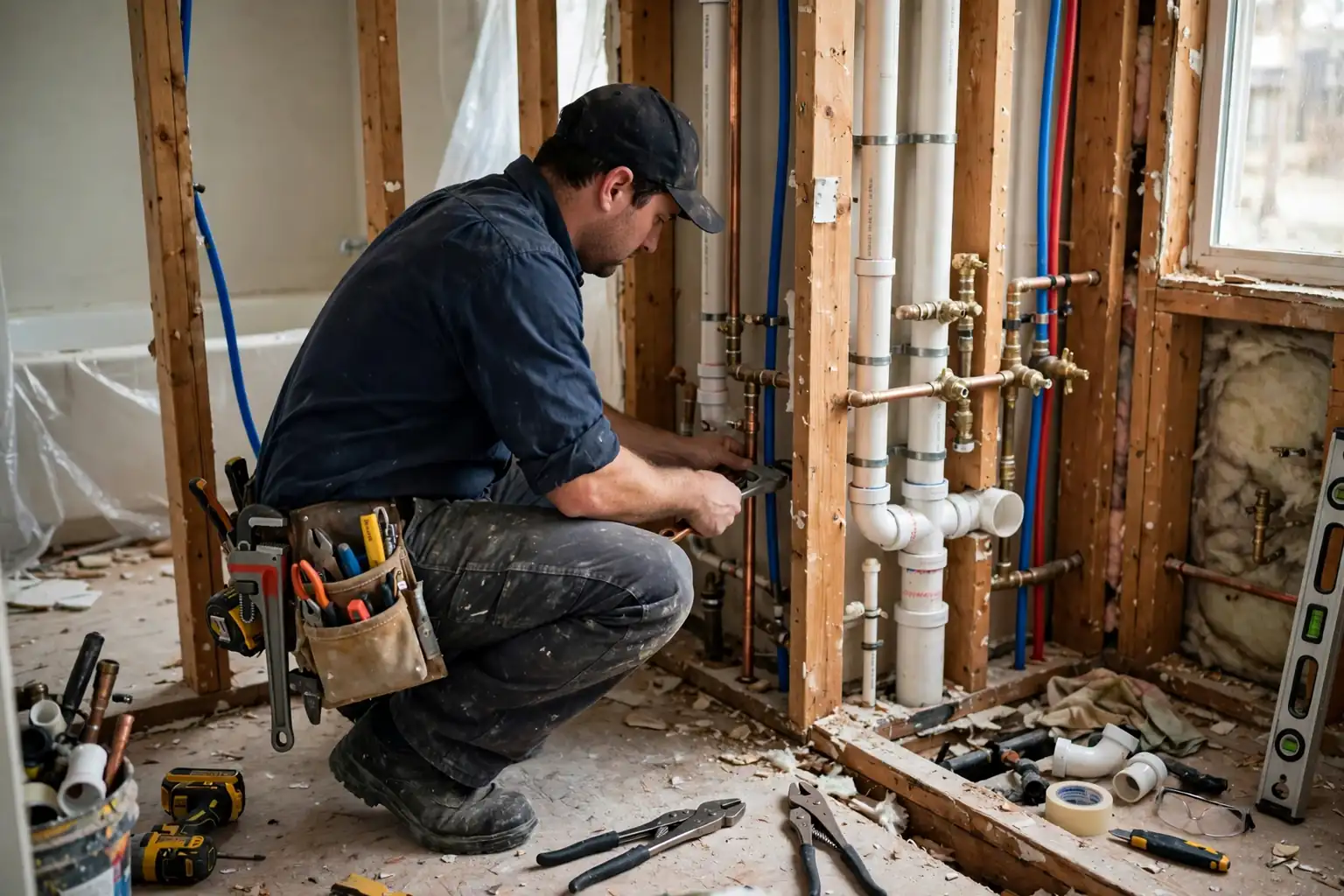
Rough-in is the phase where pipes are installed before walls close up. Supply lines get run to each fixture location. Drain and vent lines get set at the right slope and height. Everything gets pressure-tested and inspected before drywall goes on. This is the work you never see and can never skip.
A drain with the wrong slope will clog forever. A supply line with a weak joint will leak inside the wall for months before you notice. Good rough-in is invisible. Bad rough-in haunts you for years.
The Deston is a referral service. We connect homeowners with independent local plumbers who do remodel plumbing. We are not a plumbing company and we do not do the work ourselves. Call (888) 418-3086 and we will match you with a pro in your area.
Moving Fixtures: Toilets, Sinks, and Showers
Keeping fixtures where they are is the cheapest path. Moving them is where remodels get interesting and where costs climb.
Toilets are the hardest to move
Every foot of moved drain line means cutting into floors or walls. The large drain pipe and the need for precise placement limit your options, especially on a concrete slab.
Sinks are easier
Their smaller drain lines can often be rerouted through walls. A vanity moved a few inches usually needs only a short reroute of drain and supplies.
Showers and tubs sit in the middle
Swapping a tub for a walk-in shower is a common request, and it usually means a new drain location and a new valve. The drain move drives the cost.
Wall-hung toilets need different rough-ins
A wall-hung toilet and a standard toilet need very different rough-ins. The plumber needs to know what is going in to set drain heights and valve types.
Same-location swaps save thousands
Same-location fixture swaps avoid new drain runs entirely. The savings are often thousands of dollars. Keeping fixtures where they are is the single biggest way to cut plumbing costs.
Body sprays and rain heads need bigger lines
Multiple shower outlets need bigger supply lines and the right valve. Plan the supply size before walls close, not after tile goes up.
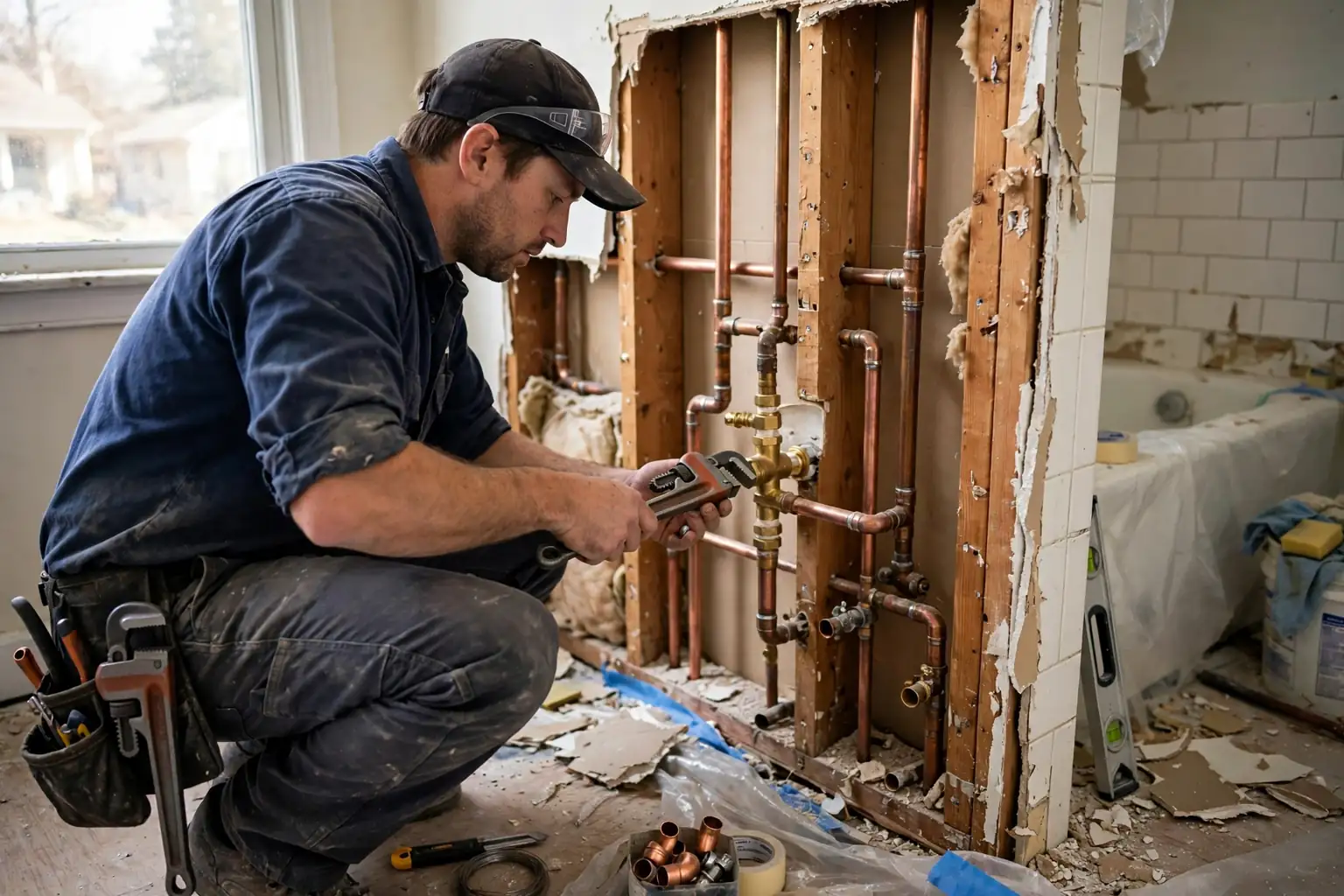
Demo, Rough-In, Inspect, Set, Connect
How remodel plumbing usually runs.
- 1
You call
Dial (888) 418-3086. Planning a remodel? We will connect you with a local plumber who can review your plans and quote the plumbing work.
- 2
Fixture choices get locked
Have your fixture choices ready or at least narrowed down. The plumber needs to know what is going in to set drain heights and valve types.
- 3
Demo first, rough-in after
Clear the bathroom completely. Remove everything from cabinets, counters, and the floor. If tile or drywall demo is happening first, confirm who is doing it and when. Plumbers rough in after demo, not before.
- 4
Rough-in and pressure test
Supply lines get run to each fixture location. Drain and vent lines get set at the right slope and height. Everything gets pressure-tested before drywall goes on.
- 5
Rough-in inspection
Most areas require a rough-in inspection before walls close. Know who calls it in so your project does not stall waiting on an inspector.
- 6
Fixture setting and final connections
After tile and paint, the plumber sets fixtures and makes final connections. Rough-in for one bathroom usually takes 1 to 3 days. Fixture setting and final connections add another day or two at the end.
Shower Valves: Small Part, Big Job
The shower valve is the control behind your shower handle. It mixes hot and cold water and, in modern valves, guards against scalding when a toilet flushes.
Upgrade during the remodel
If your home still has an old two-handle setup or a valve with no scald protection, a remodel is the right time to upgrade. Valve replacement means opening the wall, so it is far cheaper during a remodel than after one.
Pressure-balance or thermostatic valves
A pressure-balance or thermostatic valve costs more in parts but gives you steady temperature and real safety. This is one upgrade with no downside.
Low shower pressure is often upstream
Low shower pressure is often a valve or supply issue, not a showerhead problem. If a new head did not help, the restriction is probably upstream. A pro can test the lines and find it.
Bidet and smart toilet hookups
These need a water supply and often an outlet nearby. Plan both during rough-in, since adding an outlet after tile is far harder.
Tub drain and overflow replacement
Old tub waste assemblies corrode and leak. Replace them while the wall is open. Open walls are the cheapest access you will ever get.
Water line upgrades
Old galvanized lines choke flow. A remodel is the time to replace them with PEX or copper. If the walls are open and the pipes are galvanized steel or polybutylene, replace them now.
What Does Bathroom Remodel Plumbing Cost?
Plumbing is typically 10 to 20 percent of a full bathroom remodel budget. The ranges below are national averages for the plumbing portion only, not the whole remodel. Your pro will quote your exact layout before work starts.
| Plumbing task | Typical national average | Notes |
|---|---|---|
| Rough-in for new bathroom | $1,500 to $4,000 | Depends on fixture count and access |
| Toilet install or move | $250 to $700 | Moving the drain costs far more than swapping the toilet |
| Shower valve replacement | $300 to $800 | Includes wall opening and patch-ready finish |
| Tub-to-shower conversion plumbing | $1,000 to $3,000 | New drain, valve, and supply lines |
| Full remodel plumbing package | $2,500 to $7,000 | Whole bathroom, fixtures in new locations |
Before and After: Dated Bathroom to New Walk-In Shower
The photos below are illustrations of a dated bathroom before a remodel and the modern bathroom that follows. They show the kind of change to expect, not one specific job.
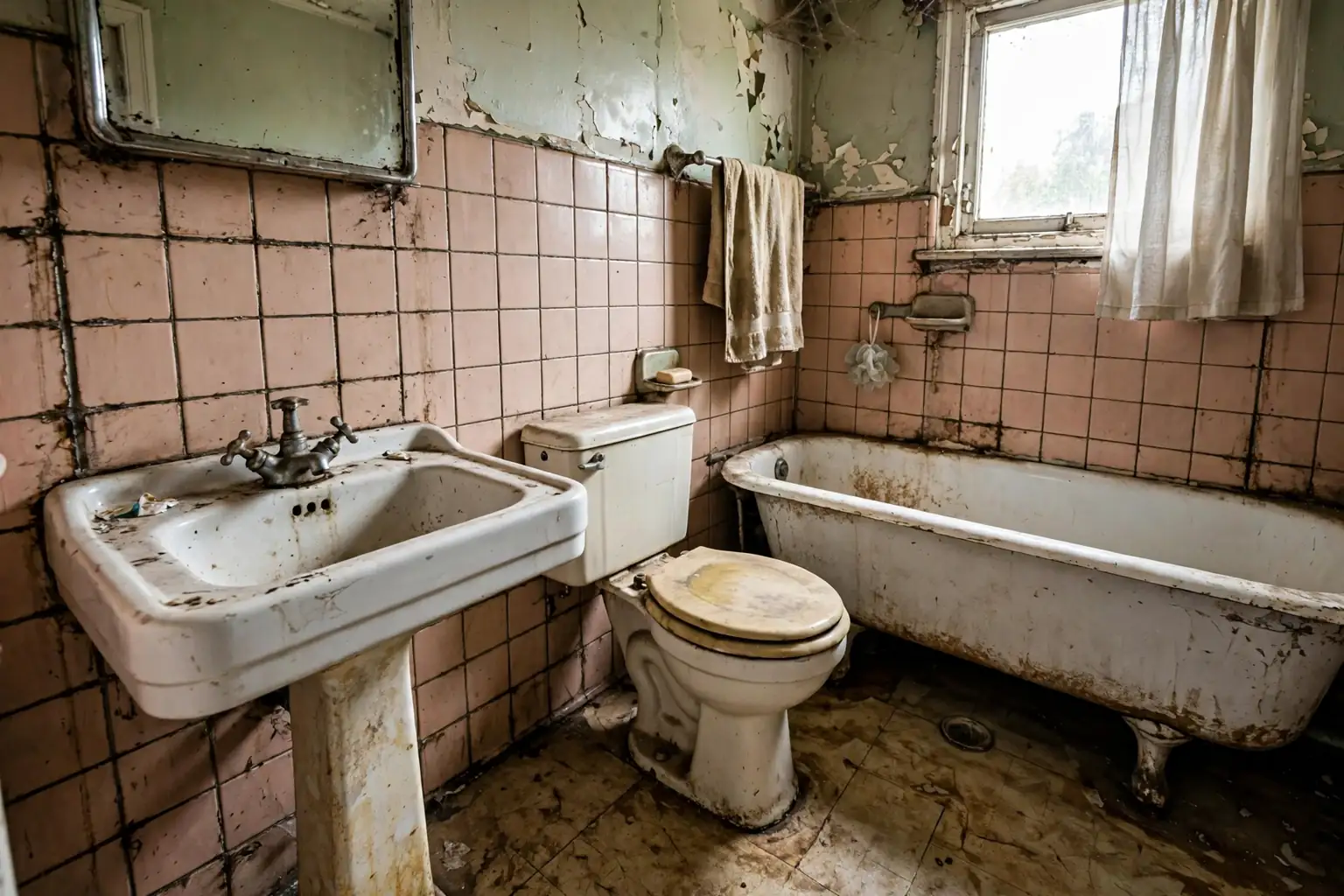 Before
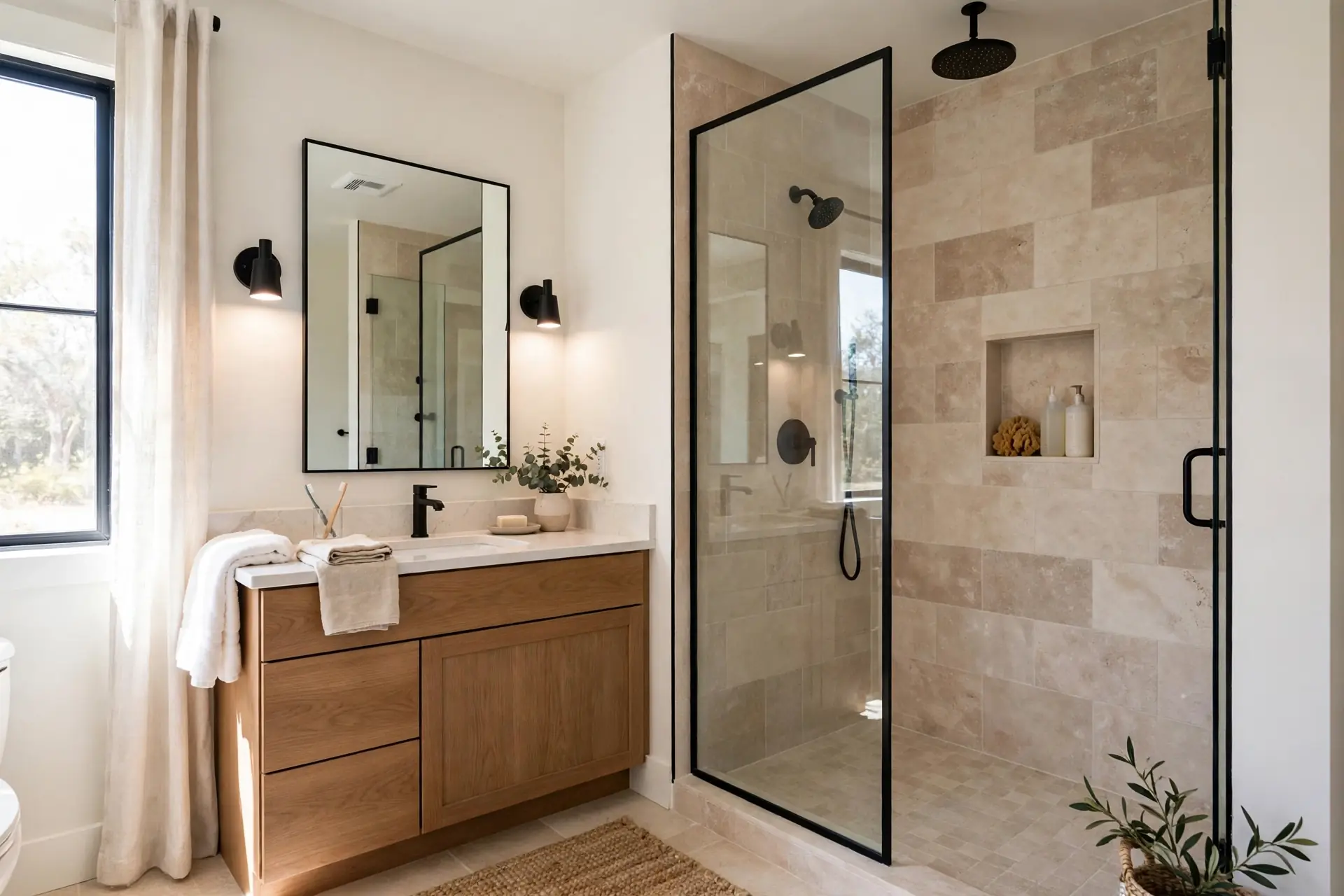 After
Plumber vs General Contractor: Who Does What
A general contractor runs the whole remodel: demo, tile, drywall, paint, scheduling. The plumber handles water and waste: rough-in, fixture setting, valves, and final connections.
Hire the plumber directly when
Your project is plumbing-heavy with light cosmetic work. You can hire the plumber directly and manage the rest yourself.
Do: confirm who pulls the plumbing permit and who calls in inspections.
Use a contractor when
Walls are moving and tile is involved. A contractor coordinating the trades will save you headaches. On most remodels you need both, and the contractor usually brings in the plumber.
Do: make sure the plumber reviews plans before demo, not after.
Permits are not optional
Either way, the plumber should be licensed for plumbing work in your area. Ask who is pulling the plumbing permit. The answer should never be “we do not need one” for moved drains or new supply lines.
Do: ask about the inspection schedule before work starts.
Bathroom exhaust venting
Not plumbing, but your contractor should vent it outside, not into the attic. Raise it during planning so it is not forgotten after tile.
Do: confirm the vent route in the plan before demo.
How to Prep Before the Plumber Arrives
These steps keep the remodel on schedule.
Have your fixture choices ready or at least narrowed down. The plumber needs to know what is going in to set drain heights and valve types. A wall-hung toilet and a standard toilet need very different rough-ins.
Clear the bathroom completely. Remove everything from cabinets, counters, and the floor. If tile or drywall demo is happening first, confirm who is doing it and when.
Ask about the inspection schedule. Most areas require a rough-in inspection before walls close. Know who calls it in so your project does not stall waiting on an inspector.
Decide fixture locations early. Keeping fixtures where they are is the cheapest path. Moving them means cutting into floors or walls, and toilets are the hardest to move.
Ask about old pipes while walls are open. If the walls are open and the pipes are galvanized steel or polybutylene, replace them now. You will never get cheaper access.
Confirm who pulls the permit. Moved drains, new supply lines, and new vents need permits and inspections. Your pro should handle this.
Bathroom Remodel Plumbing FAQs
Do I need a permit for bathroom plumbing?
In most areas, yes, for anything beyond swapping a fixture in place. Moved drains, new supply lines, and new vents need permits and inspections. Your pro should handle this. Call (888) 418-3086 and we will connect you with a local plumber who pulls proper permits.
Can I keep my fixtures in the same spots to save money?
Yes, and it is the single biggest way to cut plumbing costs. Same-location fixture swaps avoid new drain runs entirely. The savings are often thousands of dollars.
How long does remodel plumbing take?
Rough-in for one bathroom usually takes 1 to 3 days. Fixture setting and final connections add another day or two at the end. Inspections can add waiting time between phases.
Should I replace old pipes during a remodel?
If the walls are open and the pipes are galvanized steel or polybutylene, yes. You will never get cheaper access. PEX or copper replacements done now prevent leaks later.
What is a wet vent, and does my bathroom need one?
A wet vent is a drain line that also vents another fixture. It saves pipe but has strict code rules about which fixtures can share. Your plumber designs the venting to meet local code.
Why is a shower valve upgrade cheaper during a remodel?
Valve replacement means opening the wall, so it is far cheaper during a remodel than after one. While walls are open, the plumber reaches the valve without cutting finished tile.
What makes a toilet hard to move?
The large drain pipe and the need for precise placement limit your options, especially on a concrete slab. Every foot of moved drain line means cutting into floors or walls.
Do I need a plumber and a contractor?
On most remodels you need both, and the contractor usually brings in the plumber. If your project is plumbing-heavy with light cosmetic work, you can hire the plumber directly and manage the rest yourself.
What does the plumber check at the final test?
After tile and paint, the plumber sets fixtures and makes final connections, then tests every fixture for leaks, flow, and drainage before calling the bathroom done.
Can a tub become a walk-in shower?
Swapping a tub for a walk-in shower is a common request, and it usually means a new drain location and a new valve. The drain move drives the cost, so get the plumbing quoted before choosing tile.
What if my shower pressure is low after a remodel?
Low shower pressure is often a valve or supply issue, not a showerhead problem. If a new head did not help, the restriction is probably upstream. A pro can test the lines and find it.
More Bathroom Help
Toilet Repair | Faucet Repair | Kitchen Plumbing | All Services
Start Your Remodel With the Plumbing Right.
Tile gets the compliments, but plumbing decides whether your new bathroom works. Call and we will connect you with an independent local plumber experienced in bathroom remodels.
(888) 418-3086 Call NowThe Deston is a referral service that connects homeowners with independent local plumbers. We are not a plumbing company.