
Septic Tank Services
About one in five American homes uses a septic system instead of city sewer. Your wastewater flows to a buried tank in your yard, not a treatment plant down the road. Septic service covers everything that keeps that system working: pumping, inspection, repairs, and drain field care.
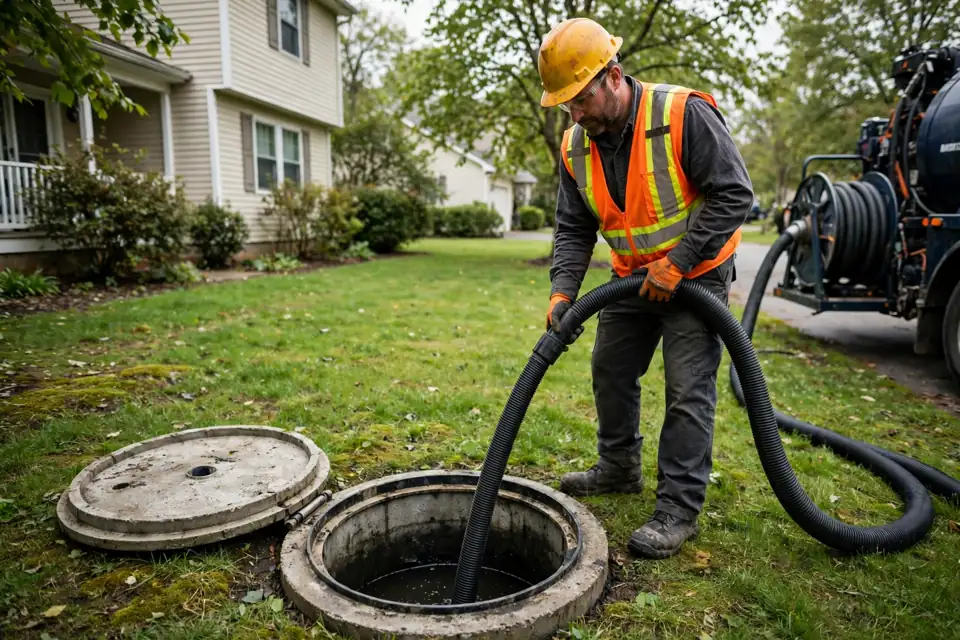
What Septic Tank Services Cover
Septic service covers everything that keeps your system working: pumping, inspection, repairs, and drain field care. Pumping is the single most important septic maintenance task. Solids settle to the bottom of the tank over time. If they build up too far, they push into the drain field and damage the most expensive part of the system.
Most households need pumping every 3 to 5 years. The right interval depends on tank size and how many people live in the home. Use the schedule below as a starting point, then ask your pro what your system needs. A garbage disposal adds solids, which means more frequent pumping. If you use one, pump on the shorter end of the schedule and tell your pro so they can plan for it.
The Deston is a referral service. We connect homeowners with independent local plumbers who handle septic work. We are not a plumbing company and we do not do the work ourselves. When you call (888) 418-3086, we match you with a pro in your area who services septic systems.
How Often Should You Pump Your Septic Tank?
Pumping intervals by household size and tank size. Ask your pro to confirm what your system needs.
| Household size | 1,000-gallon tank | 1,500-gallon tank |
|---|---|---|
| 1 to 2 people | Every 4 to 6 years | Every 6 to 8 years |
| 3 to 4 people | Every 2 to 4 years | Every 4 to 6 years |
| 5 to 6 people | Every 1 to 2 years | Every 2 to 4 years |
Signs Your Septic System Needs Attention
Septic problems rarely arrive without warning. Catch them early and you stay in pump and repair territory. Ignore them and you risk a drain field replacement.
Slow drains throughout the whole house
One slow drain is usually a local clog. Every drain running slow at once points to the septic system. That pattern is your cue to call. Whole house slowness means the tank or field, not one trap.
Gurgling sounds from toilets or drains
Gurgling means air is trapped by a backup downstream. When toilets gurgle as the washer drains, the system is struggling to move water. It is an early warning, not background noise.
Sewage odors inside or outside the home
Sewage smells mean gases or waste are escaping where they should not. Indoor smells point to a vent or backup problem. Outdoor smells over the tank or field point to the system itself.
Wet, soggy spots over the drain field
Standing water or muddy soil over the field area, even in dry weather, is a red flag. The field is not absorbing water fast enough, and water is surfacing instead.
Unusually green grass over the field
Grass that grows much faster and greener over the field than the rest of the yard often means the field is overloaded. Extra nutrients from surfacing effluent feed that strip of grass.
Sewage backing up into tubs or floor drains
The clearest sign of all is sewage backing up into tubs or floor drains. Stop using water, keep children and pets away from the backup, and call the same day.
Toilets back up when you run laundry
If toilets back up when you run laundry, the field may not be absorbing water fast enough. Laundry dumps a large volume at once, and a struggling field cannot take it.
Strong sewage smell outdoors
A strong sewage smell outdoors, especially near the tank or field, means the system is venting or leaking where it should not. Do not ignore an outdoor smell that lingers for days.
Alarm or warning light on the system
Some systems have alarms for high water levels or pump failures. An alarm sounding means the system needs attention now, not at the next scheduled visit. Call and describe the alarm.
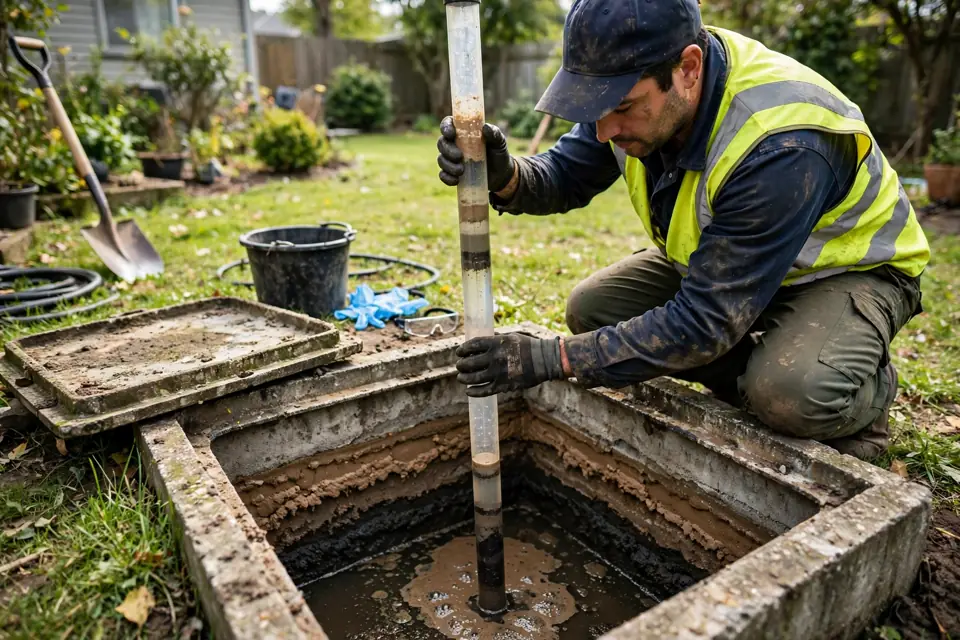
Locate, Measure, Pump, Check
What a septic pro does on a service visit.
- 1
You call
Dial (888) 418-3086. Tell us what you are seeing and we will connect you with a local septic pro who can quote the job.
- 2
Locate and open the tank
A standard septic visit starts with locating and opening the tank. Lost your lid? Pros find buried tanks with probes or electronic locators.
- 3
Measure sludge and scum layers
The pro measures the sludge and scum layers to see how full it is. Those measurements set whether pumping is due and when the next visit should be.
- 4
Pump out with a vacuum truck
For a pump out, a vacuum truck removes the solids and liquids. Pumping needs a vacuum truck and a legal place to dispose of the waste. It is also a health hazard. This is strictly a pro job.
- 5
Check baffles and tank walls
While the tank is empty, the pro checks the baffles and the tank walls for cracks or damage. An honest pro will show you what they find and explain your options before quoting a price.
- 6
Inspect the field and flow
An inspection goes further. The pro checks the distribution box, looks over the drain field for wet spots, and tests flow from the house to the tank. If you are buying a home with a septic system, get this inspection before you close. It is cheap protection against inheriting a failing system.
Septic Services Beyond the Pump-Out
Septic pros handle more than pump-outs. When you call, ask about:
Septic tank locating
Lost your lid? Pros find buried tanks with probes or electronic locators. Finding the lid fast saves digging time and keeps the visit on schedule.
Effluent filter cleaning
A clogged outlet filter mimics a full tank. Cleaning it is quick and cheap. Ask the pro to check the filter at every visit so a cheap clog never looks like a big failure.
Riser installation
Risers bring the lid to ground level so future pump-outs are faster and cheaper. No more digging to find the lid every few years.
Distribution box repair
A tilted or cracked box sends too much water to one part of the field. Leveling or replacing the box spreads the load evenly and protects the field.
House to tank line clearing
The main drain line from your home to the tank can clog like any other drain. Clearing it restores flow without touching the tank itself.
Septic safe drain cleaning
Harsh chemicals kill the bacteria your tank needs. Pros use safe methods that clear the line without harming the biology that breaks down waste.
Drain Field Warning Signs Deserve Their Own Attention
The drain field is the shallow network of perforated pipes that spreads treated water into the soil. It is the most expensive part of the system to replace.
Standing water over the field
Standing water or muddy soil over the field area, even in dry weather, means the soil is saturated. The field cannot absorb what the tank sends it.
Do: cut water use at once and call. Skip laundry and long showers until the visit.
Sewage smell outdoors
A strong sewage smell over the field means effluent is surfacing or venting where it should not. The smell is the field asking for help.
Do: keep children and pets off the area and call for an inspection.
Grass growing faster over the field
One strip of grass growing much faster and greener than the rest of the yard often means the field is overloaded with nutrients from surfacing water.
Do: note the strip’s shape and call. The pattern helps the pro judge the field’s condition.
Backups during heavy water use
Toilets backing up when you run laundry means the field cannot absorb a large volume at once. The system handles normal use but fails under load.
Do: spread water use across the day and call. Do not keep forcing large loads through a struggling field.
What Does Septic Service Cost?
Prices vary by region, tank size, and how easy the tank is to reach. The ranges below are national averages for planning. Your pro will quote your exact job before work starts.
| Service | Typical national average | Notes |
|---|---|---|
| Septic tank pumping | $300 to $600 | 1,000 to 1,500 gallon tank with easy access |
| Septic inspection | $200 to $500 | Smart move before buying a home |
| Baffle or pipe repair | $200 to $800 | Depends on damage and digging needed |
| Drain field repair | $2,000 to $10,000 | Wide range; partial vs full replacement |
| Full system replacement | $7,000 to $25,000 | Soil, permits, and local rules drive this |
Before and After: Failing Field to Healthy Yard
The photos below are illustrations of drain field trouble and the healthy yard that follows proper septic care. They show the kind of change to expect, not one specific job.
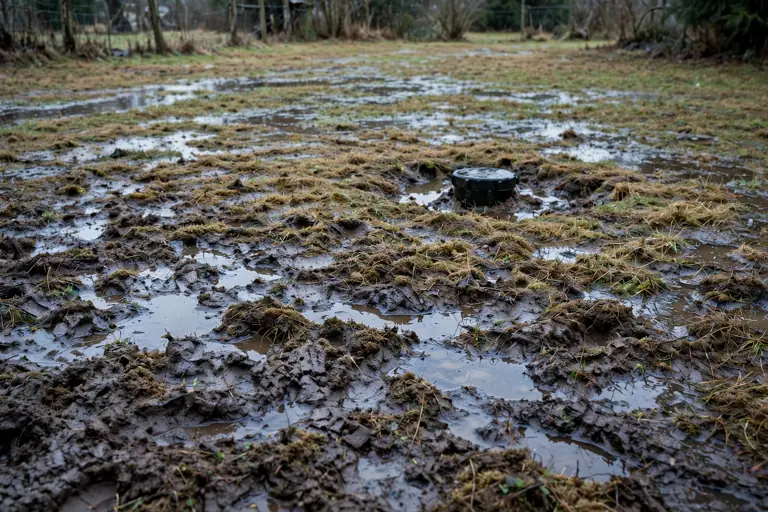 Before
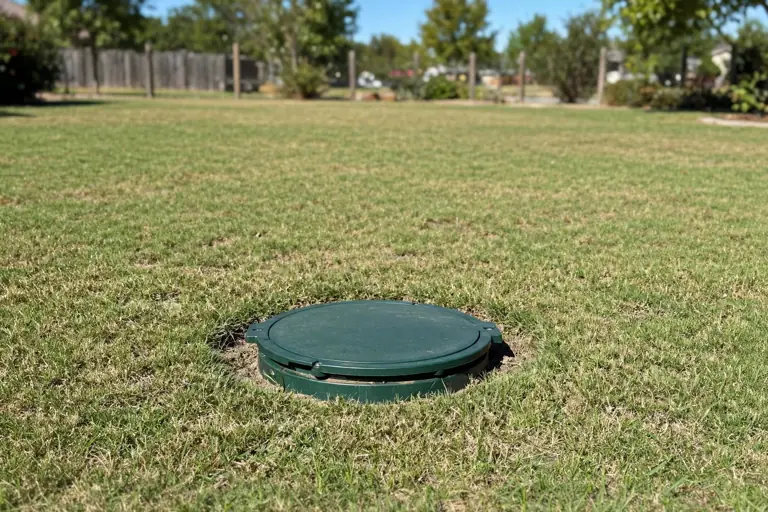 After
What to Do Before the Pro Arrives
These steps protect the system while you wait and speed up the visit.
Cut back on water use until the visit. Skip laundry, long showers, and the dishwasher. Less water into the system means less strain while you wait.
Clear the area above the tank lid. If you know where your tank lid is, clear the area above it. Move patio furniture, planters, or anything sitting on top.
Do not try to open the tank yourself. Septic gases are dangerous and the lids are heavy. Leave the opening to the pro with the right gear.
Note what you have flushed lately. Wipes, grease, or chemicals change the diagnosis. Tell the pro honestly so they can judge the tank’s condition.
Keep vehicles off the tank and field. Heavy weight compacts soil and can crack lids or crush shallow lines. Park elsewhere until the visit is done.
Gather property records if you have them. A tank location sketch, past pump receipts, or a prior inspection report helps the pro find the system fast.
Septic Tank Service FAQs
How do I know if my home has a septic system?
Check your property records or water bill. No sewer charge usually means septic. You can also look for an access lid or vent pipe in the yard. Or call The Deston at (888) 418-3086 and we will connect you with a local pro who can confirm.
Can I pump my own septic tank?
No. Pumping needs a vacuum truck and a legal place to dispose of the waste. It is also a health hazard. This is strictly a pro job.
What should I never flush with a septic system?
Never flush wipes (even ones labeled flushable), feminine products, grease, paint, or harsh chemicals. They clog the system or kill the bacteria that break down waste.
Does a garbage disposal hurt a septic system?
It adds solids, which means more frequent pumping. If you use one, pump on the shorter end of the schedule and tell your pro so they can plan for it.
How long does a septic system last?
A well maintained tank can last 40 years or more. Drain fields typically last 20 to 30 years. Regular pumping is what gets you to the long end of those ranges.
How do I find my septic tank lid?
Check property records for a sketch, look for a lid or vent pipe in the yard, or ask a pro. Pros find buried tanks with probes or electronic locators. A riser installed at the visit makes the next find instant.
Can I use bleach and cleaners with a septic system?
Normal household amounts are fine. Heavy doses of bleach, antibacterial cleaners, or drain chemicals harm the bacteria that break down waste. Use cleaners in normal amounts and skip harsh drain chemicals entirely.
Should I get an inspection before buying a septic home?
Yes. An inspection before closing checks the tank, baffles, distribution box, and field, and tests flow from the house. It is cheap protection against inheriting a failing system. Share the report with your agent if repairs are needed.
What kills a drain field fastest?
Neglect and overload. Skipped pumping pushes solids into the field. Heavy water use, parking on the field, and flushing wipes or grease all shorten field life. Regular pumping and modest water use are the two habits that protect it most.
What happens during a pump-out visit?
The pro locates and opens the tank, measures the layers, pumps the tank with a vacuum truck, checks baffles and walls while the tank is empty, and leaves you with a record of what was found and when to pump next. Locating a buried lid adds time to the visit.
Do septic additives help?
A healthy tank already has the bacteria it needs. Additives are not a substitute for pumping. If a product claims to eliminate pumping, be skeptical. Ask your pro what your tank actually needs instead of buying additives on hope.
More Septic Help
Septic Tank Pumping | Septic System Repair | Drain Cleaning | All Services
Septic Trouble Does Not Fix Itself.
Waiting turns a pump-out into a field replacement. Call now and we will connect you with an independent local pro who services septic systems in your area.
(888) 418-3086 Call NowThe Deston is a referral service that connects homeowners with independent local plumbers. We are not a plumbing company.