
Septic System Repair
A septic system has several parts that can fail: the tank, the baffles, the distribution box, the pipes, and the drain field. When one breaks down, the whole system suffers. Septic system repair fixes or replaces the failed component so wastewater gets treated properly again.
Repair Is Different From Pumping
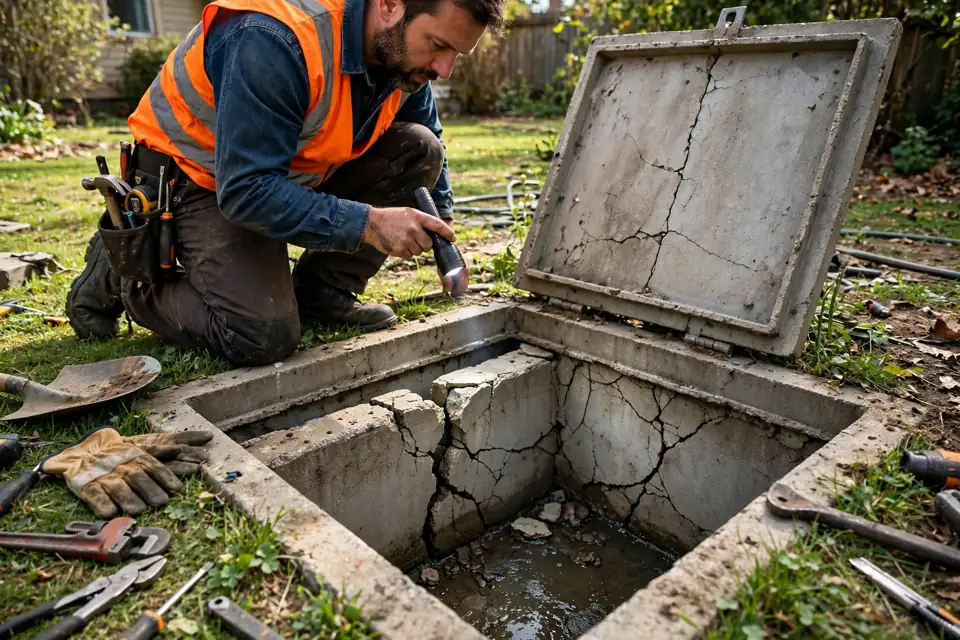
Septic tank pumping removes sludge. Repair fixes broken parts. A cracked baffle lets solids escape to the field. A crushed distribution box sends all the water to one corner. A failed drain field cannot absorb water at all. Each problem has its own fix and its own price. A proper diagnosis comes first so you pay for the right repair, not a guess.
Septic repairs range from a few hundred dollars to five figures. The spread is wide because the system is wide. A baffle swap is quick. A drain field replacement is a construction project. Your matched pro will test the system, show you what failed, and price the fix before work begins. Honest diagnosis is everything in septic work.
The Deston is a referral service that connects homeowners with independent local plumbers. We are not a plumbing company. We match you with a local septic pro who diagnoses and fixes these systems for a living. Septic repair needs a septic contractor, not a general handyman. We connect you with one near you.
Signs You Need Septic System Repair
These go beyond a tank that simply needs pumping.
Standing water over the drain field
The field should absorb water invisibly. Puddles and spongy ground mean it is failing. This is the most serious septic warning sign. Standing water means the soil is saturated and cannot take more.
Sewage odors around the tank, field, or home
Occasional smells after heavy rain happen. Persistent rotten egg or sewage smells point to a broken component or a surfacing failure. A smell that lingers for days needs an inspection.
Backups continue right after pumping
A fresh pump-out should restore normal flow. If backups return within days, something downstream is broken: a clogged outlet, a crushed pipe, or a dead field. If sewage is inside the home now, get help right away.
Toilets and drains gurgle constantly
Occasional gurgling is normal. Constant gurgling across fixtures suggests a vent, baffle, or line problem inside the system. The pattern across fixtures is the clue.
The tank has visible damage
Cracked lids, crumbling concrete, or a collapsed baffle seen during pumping all need repair. Concrete tanks can last 40 years, but lids and baffles fail sooner.
One area of the field is soaked while the rest is dry
Uneven wetness means the distribution box or lines are not spreading water evenly. Part of the field is drowning while the rest sits idle. That imbalance shortens field life.
High nitrate or bacteria in well water tests
A failing system can contaminate nearby wells. If your water test comes back bad, get the septic system inspected immediately. Do not wait for indoor symptoms.
Slow drains that pumping did not fix
When drains stay slow after a pump-out, the problem is downstream of the tank. A line, a box, or the field itself is the cause, and each needs its own repair.
Bright green strip over one field line
One line growing much faster than the rest means that line is carrying too much of the load. The distribution box is likely tilted or cracked and needs leveling or replacement.

Diagnosis First, Digging Second
Good septic work is methodical.
- 1
You call
Dial (888) 418-3086. We refer you to a local septic repair pro. Describe the symptoms, and the pro plans the diagnosis from what you report.
- 2
The system gets tested
The tech pumps or opens the tank, checks baffles and filters, runs water to test flow, and probes the drain field. Dye tests and soil checks may follow.
- 3
You get a diagnosis in plain words
The pro tells you which part failed and why. You see the cracked baffle, the crushed box, or the saturated field yourself when possible.
- 4
Repair options and prices are laid out
Some problems have a cheap fix and an expensive fix. The pro explains both. You approve a written quote before any digging starts.
- 5
Permits are pulled if required
Most counties require permits for tank or field work. Your contractor handles the health department paperwork and inspections.
- 6
The failed component is repaired or replaced
Baffles get swapped. Boxes get releveled. Lines get replaced. Fields get rejuvenated or rebuilt. The crew works one component at a time.
- 7
The system is tested and the site restored
Water runs through the system to confirm flow. Soil goes back. The pro explains what to watch and when to schedule your next pumping.
Types of Septic System Repairs and Your Options
Baffle repair or replacement
Baffles keep solids in the tank and out of the field. Concrete baffles corrode; plastic ones last longer. Swapping a baffle is one of the cheapest septic repairs and one of the most important.
Outlet filter service
A clogged filter mimics a failing system. Cleaning or replacing it takes minutes during a pump-out. If your backups cleared after a filter cleaning, you dodged a big bill.
Distribution box repair
The D-box splits flow evenly to the field lines. A tilted or cracked box floods one line and starves the rest. Releveling or replacing it restores balance.
Line repair
The pipes between tank and field can crush, clog with roots, or separate at joints. The crew digs to the bad section and replaces it. Camera inspection can pinpoint the break first.
Drain field rejuvenation
For fields that are struggling but not dead, options include resting the field, jetting the lines, or adding treatments that break down the clogging mat. Results vary. An honest pro tells you the odds.
Drain field replacement
When the field is done, it gets rebuilt: new trenches or chambers, new stone, new soil cover. This is the big ticket repair. Some properties can add a reserve field instead. Your contractor and the health department decide what your lot allows.
Tank replacement
A structurally failed tank gets replaced with a modern concrete or plastic unit. Often paired with new risers so future service is easy.
Riser installation
Risers bring the lid to ground level so future service is faster and cheaper. Pair them with a tank replacement and you never dig for the lid again.
What Septic System Repair Costs
Prices vary widely because the jobs vary widely. The ranges below are national averages for planning. Your matched pro gives upfront pricing with the work scope spelled out.
| Repair | Typical national average | Notes |
|---|---|---|
| Baffle replacement | $300 to $800 | Including the service visit |
| Distribution box replacement | $1,000 to $2,500 | With digging and releveling |
| Line repair | $1,500 to $4,000 | Depends on length and depth |
| Septic tank replacement | $3,000 to $7,000 | Tank, install, and permits |
| Drain field replacement | $5,000 to $20,000 | Depends on size, soil, and local rules |
Before and After: Failed Field to Rebuilt Field
The photos below are illustrations of a failed drain field and the rebuilt field that replaces it. They show the kind of change to expect, not one specific job.
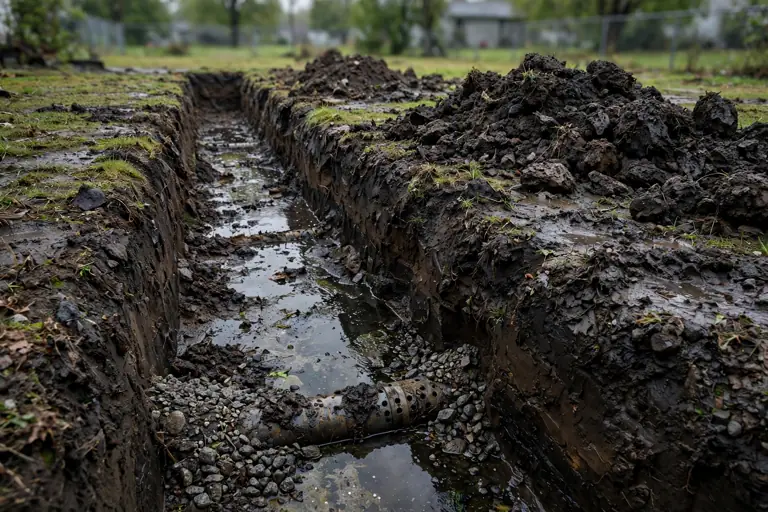 Before
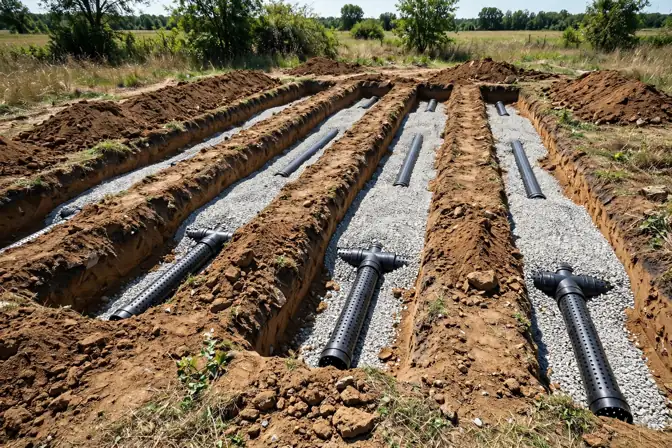 After
What to Do Before the Pro Arrives
These steps protect the system while you wait and speed up the diagnosis.
Cut back on water use. Skip laundry, long showers, and the dishwasher until the visit. Less water into a failing system means less strain and less surfacing.
Keep vehicles and heavy loads off the field. Weight compacts soil and can crush shallow lines. Park elsewhere until the work is done.
Note when symptoms started. When did backups first return after pumping? Which fixtures gurgle? A clear timeline helps the pro aim the diagnosis.
Find past pump receipts and inspection reports. Past records show tank size, last pump date, and prior findings. They save diagnosis time.
Clear the area above the tank lid. If you know where the lid is, move patio furniture and planters off it. Do not open the tank yourself. Septic gases are dangerous and the lids are heavy.
Keep children and pets away from wet areas. Standing water over a field can carry waste. Keep the area off limits until the pro has seen it.
Septic System Repair FAQs
How do I know if my drain field is failing?
The classic signs are standing water, soggy soil, and sewage odors over the field area. Inside the home, drains slow down and toilets may back up even though the tank was recently pumped. A pro confirms it with tests: probing soil moisture, checking for ponding in the trenches, and running a hydraulic load test. A field can also fail gradually, losing capacity over years before the obvious signs appear. If your system is over 25 years old and acting up, suspect the field and get it tested.
Can a failed drain field be fixed without replacing it?
Sometimes. If the field is only partly clogged, resting it can help: the pro may divert flow to a reserve area while the main field dries and recovers. Jetting the field lines can clear some blockages. Certain treatments break down the biomat that clogs the soil. These work best on fields that are struggling, not dead. A field with compacted, saturated soil and years of solids damage usually needs replacement. An honest contractor tells you which situation you are in instead of selling a miracle cure.
How long does a septic system last?
A well built, well maintained system lasts 25 to 40 years. The tank often outlives the drain field. Concrete tanks can reach 40 years or more. Steel tanks fail much sooner. The drain field is usually the first major component to go, often around year 25 to 30. Pumping on schedule, keeping water use reasonable, and keeping vehicles and heavy loads off the field all add years. Systems that get ignored can fail in under 15 years. Maintenance is the whole game.
Will my homeowners insurance cover septic repair?
Rarely. Standard policies exclude wear and tear, which covers most septic failures. Some policies cover sudden damage, like a tank crushed by a fallen tree. A few offer a service line endorsement that can help with buried pipes. Check your policy and ask your agent directly. Do not count on insurance for a worn out drain field. Budget for it as a major home system, like a roof. Your contractor can provide documentation if you do file a claim.
Can I use my plumbing while the system is being repaired?
It depends on the repair. Baffle and filter work may only interrupt service for a few hours. Tank replacement means no drains or toilets until the new tank is connected, often a full day. Drain field work usually lets you keep using water, but the pro may ask you to go easy to avoid overloading the system during testing. Ask for a clear schedule when you approve the quote. Fill jugs, plan laundry around the work, and know the dry hours in advance.
Do I need a permit for septic repairs?
In most counties, yes for anything beyond pumping. Tank repairs, line replacements, and any field work need health department permits and inspections. The rules exist because a bad septic job contaminates groundwater. Your contractor should handle permits as part of the job. Unpermitted septic work can block a future home sale and bring fines. If a contractor suggests skipping permits, find another contractor.
What should I never put in a septic system?
Never flush wipes, even ones labeled flushable. They do not break down and they clog tanks and fields. No grease down the kitchen drain; it coats everything. No paint, solvents, or harsh chemicals; they kill the bacteria the system needs. No medications down the toilet. No coffee grounds, cat litter, or cigarette butts. Go easy on bleach and antibacterial cleaners. A septic system is a living filter. Treat it gently and it returns the favor for decades.
Repair or replace: how does the pro decide?
The diagnosis decides. A single failed part with a healthy field gets a repair. A field that is saturated, compacted, and years past its life gets replacement. The pro weighs field age, soil condition, and how much capacity remains, then lays out both options with prices when both are real options.
Can I keep using the house during field replacement?
Often yes, with limits. Field work usually lets you keep using water, but the pro may ask you to go easy during testing and backfill. Tank work is the bigger interruption: no drains or toilets until the new tank is connected. Ask for a clear schedule when you approve the quote.
What if the first fix does not solve it?
Ask before work starts. Get the diagnosis in writing and ask what happens if the first fix does not solve the problem. A good contractor explains the fallback plan and prices it before digging, so a failed first attempt does not become an open ended bill.
Does a septic repair need a health department inspection?
Most counties require permits and inspections for tank or field work. Your contractor handles the paperwork and schedules the inspection. The inspection protects you: it confirms the work meets local rules before the trenches are covered.
More Septic Help
Septic Tank Services | Septic Tank Pumping | Drain Cleaning | All Services
Septic Problems Only Get More Expensive With Time.
If your system is showing the warning signs, get a pro diagnosis now while the fix is still small. Call and The Deston will connect you with a local septic contractor.
(888) 418-3086 Call NowThe Deston is a referral service that connects homeowners with independent local plumbers. We are not a plumbing company.