Plumbers Wrench: What It Is and When to Use It
A plumbers wrench is not one single tool. It is a family of tools that grip pipes and nuts. Each wrench fits a distinct job in a home. Some grip round pipes with force. Some turn hex nuts in tight spots. This guide explains the main types. You will learn uses, limits, and buying tips. You will also learn when to call a pro.
Why Plumbers Own Many Wrenches
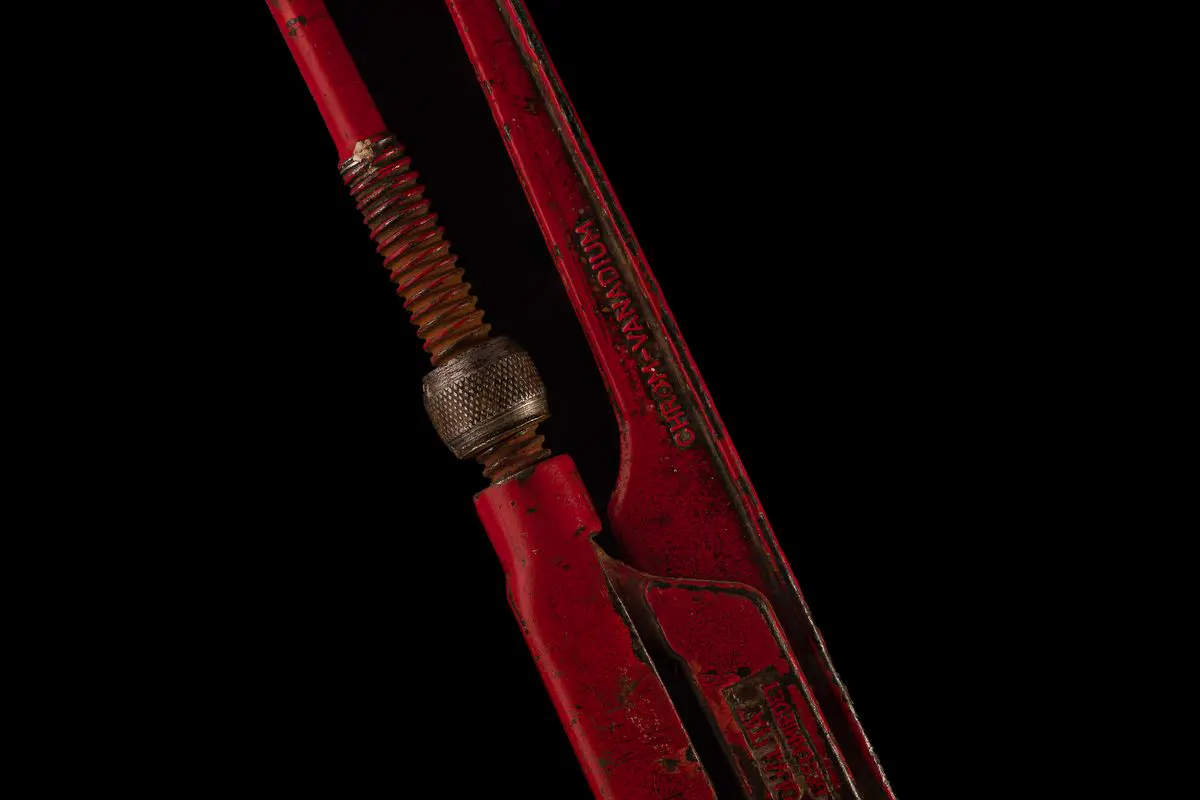
Pipes and nuts come in many shapes and sizes. Round pipes need teeth that bite and hold. Hex nuts need flat jaws that grip firm. No one wrench fits both jobs well. That is why a plumber kit holds many types. Each tool earns its place by fit.
Space shapes tool choice as much as size. Open pipes suit large pipe wrenches well. Tight sinks need slim basin wrenches instead. A wrong tool slips, rounds nuts, or scars chrome. A right tool turns fast with less force. Fit beats force on every plumbing job.
Homeowners need only a few key wrenches. An adjustable wrench covers most small jobs. A basin wrench covers under sink jobs. A pipe wrench covers round pipe jobs. Start with those three and add as needed. Buy quality once instead of cheap twice.
Pipe Wrench: The Classic Tool
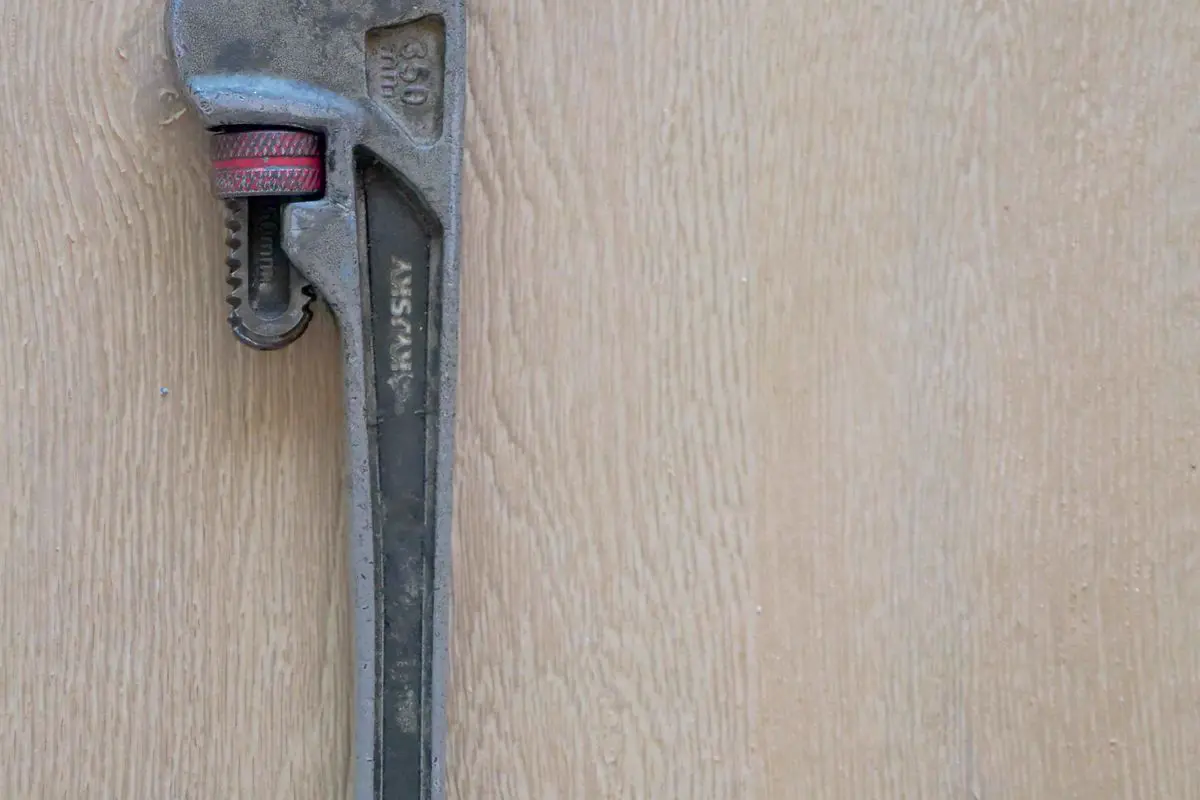
A pipe wrench grips round pipes with toothed jaws. The teeth bite into metal as you turn. It suits iron and steel pipes best. It can crush soft plastic pipes fast. Never use it on chrome show parts. Teeth scar chrome and brass with ease.
Pipe wrenches come in many lengths and sizes. A 10 inch wrench suits small home pipes. A 14 inch wrench suits larger runs well. Longer handles give more force per turn. More force helps stuck joints move free. More force also risks cracks in old pipes.
Use two pipe wrenches on threaded joints. Hold one wrench firm on the pipe. Turn the other wrench on the fitting. Two wrenches stop pipes twisting loose. One wrench alone can twist a whole run. That twist can open joints down the line.
Adjustable Wrench: The All Rounder
An adjustable wrench opens to fit many nut sizes. You turn a thumb wheel to set jaw width. It suits hex nuts on supply lines well. It suits compression nuts under sinks too. It fits in most home tool kits neat. It is the first wrench most folks buy.
Set the jaw snug before you turn each time. A loose jaw slips and rounds nut corners. Rounded nuts are hard to grip again. Push the wrench so force drives the fixed jaw. That stance cuts slip and gives control. Check jaw fit after each turn or two.
An adjustable wrench fails in very tight spots. Its head needs room to swing a bit. Under sinks, pipes often block that swing. A basin wrench suits those spots better. Use each tool where space allows it. No shame in switching tools mid job.
Basin Wrench: The Under Sink Tool
A basin wrench reaches mount nuts under sinks. Its long shaft fits past pipes and basins. Its swivel jaw grips nuts from below. It turns nuts that hands cannot reach. It is the top tool for faucet swaps. See our faucet wrench guide for more detail.
Set the jaw square on the nut first. Turn the shaft slow and steady each time. Re set the jaw after each short turn. Keep the jaw clean for a firm grip. Grit in the jaw cuts grip a lot. Patience beats force on stuck nuts each time.
Basin wrenches come in fixed and telescopic forms. A telescopic shaft extends for deep sinks. A fixed shaft suits most home sinks well. Pick jaw size to match your mount nuts. A jaw too big slips off small nuts. A jaw too small will not close at all.
Other Wrenches Plumbers Use
A strap wrench grips smooth pipes with no scars. It wraps a strap around the pipe body. It suits chrome traps and plastic pipes well. It gives grip with no teeth marks at all. It fails on very stuck joints, though. Use it where looks matter most.
A socket set turns nuts on long studs fast. Deep sockets reach nuts past thread ends. They need clear space above the nut. Pipes often block socket use under sinks. Try sockets in open spots first. Switch tools when space runs out fast.
A spud wrench turns wide strainer lock nuts. A lock nut is a wide ring under a strainer. Its jaws open wide for large rings. It suits sink and tub strainer jobs. It is a niche tool for most homes. Rent or borrow one for a single job.
How to Grip Without Harm
Match jaw type to part type each time. Toothed jaws suit rough iron pipes only. Smooth jaws suit chrome and brass parts. A cloth wrap can guard chrome in a pinch. Wrap jaws in cloth for show parts only. Proper jaws beat cloth wraps each time.
Tighten snug, then test, then stop. Over force cracks sinks and crushes seals. A firm joint with no wobble is enough. Check for leaks after you tighten a joint. A small drip means a seal or seat fault. More force will not fix a bad seal.
Spray stuck nuts with penetrating oil first. Wait ten minutes for oil to soak in. Tap the nut light to help oil seep. Try slow turns with the right wrench. If it still will not move, stop the job. Read our blog posts for more plain tool guides.
What Plumbers Wrenches Cost
National averages put an adjustable wrench at $10 to $30. A basin wrench costs $15 to $40 in stores. A pipe wrench costs $20 to $50 by size. National averages put a full basic set at $50 to $120 total. Buy steel tools that feel solid in hand. Cheap tools bend and round nuts fast.
A pro visit costs more than tools alone. National averages put a simple repair visit at $150 to $400. Tools save labor cost on small jobs. They cost time, care, and risk instead. Weigh skill and risk before each job. A botched job can cost more than a pro visit.
Ask about plumbing repair help when a job feels too big. A pro brings skill and full tool kits. A pro can also spot faults you might miss. The Deston connects you with local pros. You can compare options and pick the right fit.
Care and Storage
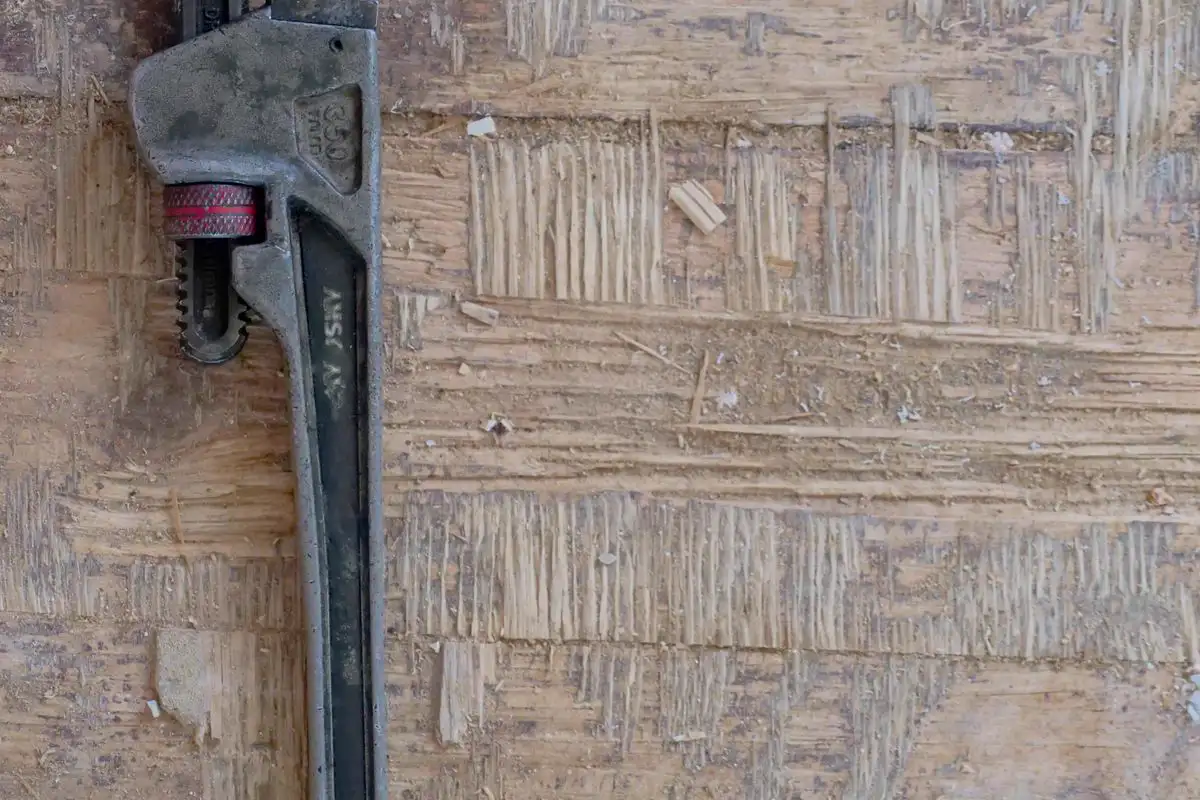
Wipe wrenches dry after each use. Dry steel resists rust for years. Oil moving jaws once a year with care. A drop of oil keeps jaws moving free. Store tools in a dry drawer or bag. Damp sheds rust tools fast over time.
Keep toothed jaws free of grit and scale. Grit cuts bite on round pipes a lot. Brush jaws clean with a stiff brush. Check jaw teeth for wear each year. Worn teeth slip on pipes too soon. Swap a wrench when teeth look smooth.
Store each wrench where you find it fast. A leak day is no time to hunt tools. Hang wrenches on pegs or bag them neat. Label bags if your kit is large. Good storage saves time and stress. It also keeps tools dry and clean.
When to Call a Local Plumber
Call a plumber when joints will not move at all. Forcing stuck joints can snap pipes fast. A pro can free seized joints with care. Call too when water leaks after a fix. A leak may point to a crack or bad seal. Ask about pipe repair when you call.
Call a plumber for gas lines at once. Never use a wrench on a gas line job. Gas work needs trained pros and tests. Call too when a main line bursts or floods. Shut the main valve first if you can. Then call for fast local help.
The Deston is a referral service, not a plumbing firm. We connect you with independent local plumbers. Describe the job and the stuck part clearly. See our drain snake guide for drain help too. A local pro can finish the job and test for leaks.
Wrench Safety and Grip Tips
Set jaws square on nuts before each turn. A tilted jaw slips and rounds corners fast. Rounded nuts resist all tools after that. Check jaw seat by eye before force. Re set the jaw if it rocks at all. A square seat grips with less force.
Push the wrench so force drives the fixed jaw. The fixed jaw is the jaw that does not move. That stance cuts slip and gives control. Pulling toward the moving jaw slips more. Learn the fixed jaw side on each tool. A small habit change cuts slips a lot.
Wear gloves when you turn rusty nuts hard. Rust flakes cut skin with ease. Gloves guard hands from sharp thread ends. Eye cover guards against falling grit too. Grit falls from above in under sink work. A light and gloves make jobs safer fast.
Keep your face clear of the wrench path. A slipping wrench can swing back hard. Work from a stance that lets you stop. Short turns give more control than long swings. Re set jaws after each short turn. Control beats speed on stuck nuts each time.
Oil stuck nuts and wait ten minutes first. Penetrating oil seeps into thread gaps slow. Tap the nut light to help oil seep. Try slow turns after the wait ends. If it still will not move, stop the job. See our plumbing wrench guide for tool types in depth.
Heat can free stuck nuts but risks pipes near. Open flame near wood and gas spells harm. Never heat pipes near gas lines at all. Leave heat methods to trained pros. Oil and patience free most home nuts. A pro visit costs less than fire harm.
Clean jaws after each job for a firm grip. Grit in jaws cuts bite on nuts a lot. Brush jaws with a stiff brush each time. Check teeth for wear once a year. Worn teeth slip on pipes too soon. Swap a wrench when teeth look smooth.
Our sink wrench guide covers tight spot tools well. Ask about faucet repair help when faucet nuts will not move. Safety plus the right tool saves skin and pipes. Stop early when force starts to feel wrong.
Store wrenches dry and hung where you find them. Damp sheds rust tools fast over time. A leak day is no time to hunt tools. Hang each wrench on a labeled peg. A tidy kit means fast calm leak response. Good storage is part of good tool safety.
Teach family where shutoff valves sit at home. A fast shutoff stops floods during tool slips. Tag valves with bright labels for all. Test valves once a year with care. A known valve plus a good wrench beats panic. Safety starts before the first turn.
Quick tip: buy an adjustable wrench and a basin wrench first. Those two cover most home jobs. Add a pipe wrench when you face round iron pipes.
What wrench do plumbers use most?
Most plumbers reach for pipe wrenches daily. They also use adjustable wrenches a lot. Basin wrenches serve under sink jobs. Each job picks its own best tool.
Can I use a pipe wrench on chrome?
No, toothed jaws scar chrome fast. Use a strap wrench on chrome parts. A cloth wrap helps in a pinch only. Smooth jaws suit show parts best.
Why does my wrench slip off nuts?
The jaw may sit loose on the nut. Set it snug before each turn. The jaw teeth may be worn out too. A tilted jaw slips more than a square jaw.
Should I buy a full wrench set?
Start with three wrenches for home use. Buy an adjustable, a basin, and a pipe wrench. Add niche tools only when a job needs one. Quality beats a large cheap set.
When should I stop and call a plumber?
Stop when joints will not move after oil and care. Stop too when water leaks after a fix. Never touch gas lines with a wrench. A pro can finish the job with no harm.
The Deston is a referral service that connects homeowners with independent local plumbers. We are not a plumbing company.