
Sump Pump Repair
A sump pump is the last line of defense for a basement. It sits in a pit, waits for water, and pumps it out before it reaches the floor. When it fails, the basement floods fast, often during the same storm that fills the pit. A quick repair restores that defense.
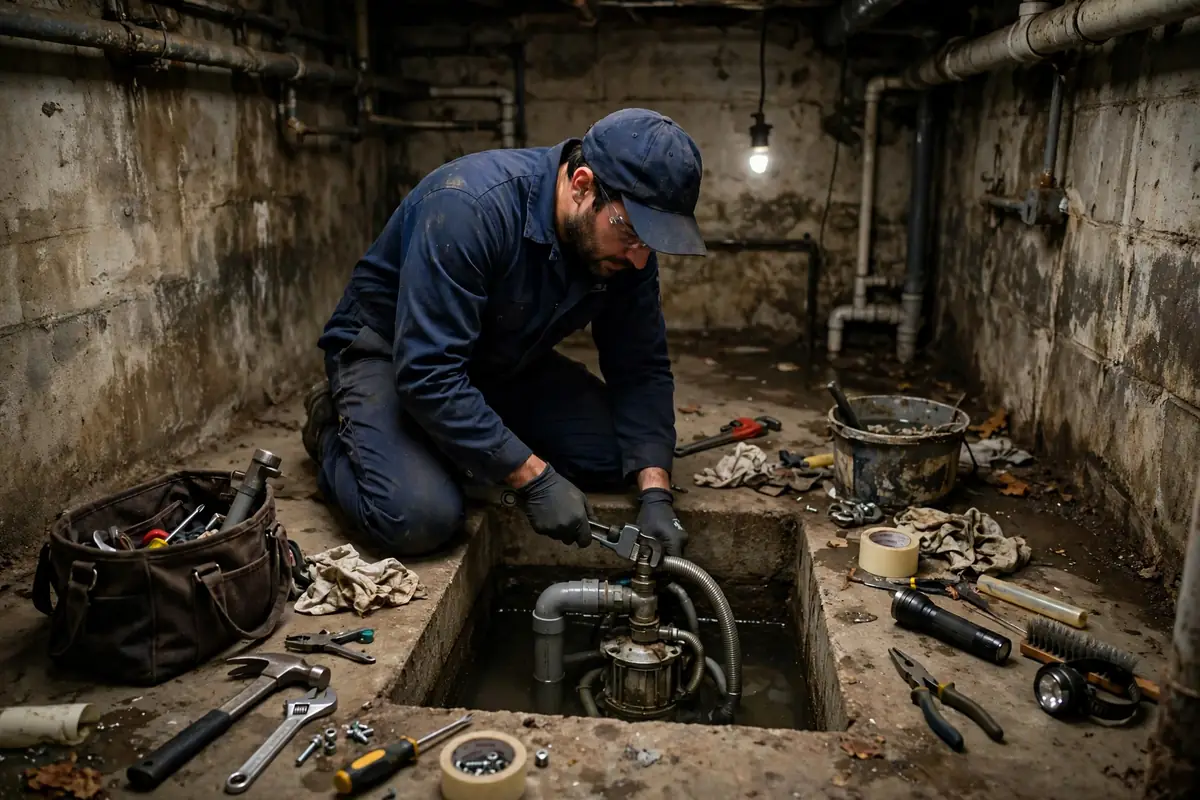
How a Sump Pump Works, and Where It Fails
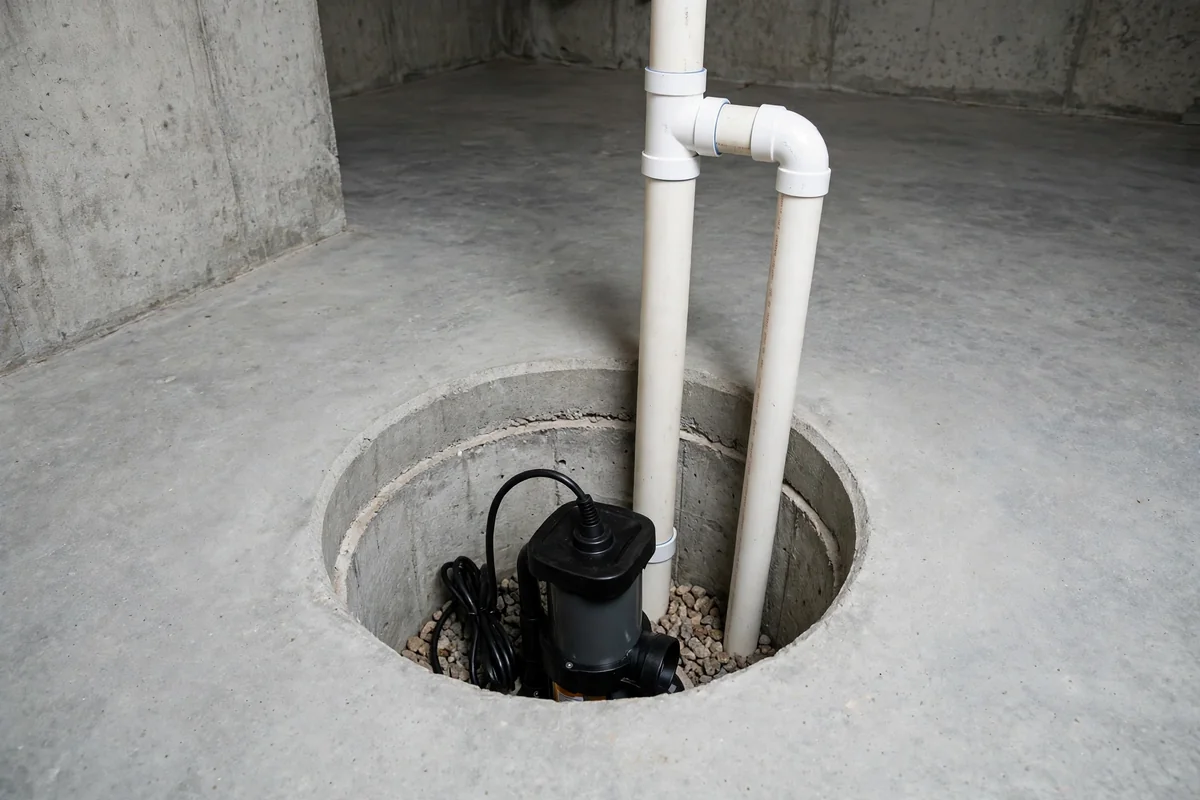
A sump pump sits in a pit at the lowest point of a basement or crawlspace. Groundwater drains into the pit through drain tile. A float switch rises with the water and turns the pump on. The pump pushes water up a discharge pipe and out of the house, away from the foundation. A check valve in the discharge pipe stops water from flowing back into the pit when the pump stops.
The Deston is a referral service, not a plumbing company. We connect homeowners across all 50 states with independent local plumbers who repair sump pumps regularly. We do not send our own crews. We match you with a nearby pro, you get an upfront price, and the work gets done right. The referral costs you nothing. You pay the pro for the work, after you approve the price.
Most sump pump faults are small parts: a stuck float, a failed check valve, a clogged intake, or a frozen discharge line. Each one stops the pump from doing its job, and each one is fixable. The risk is timing: a fault found during a dry week is a routine repair. The same fault found during a storm is a flood. Test your pump before storm season, and fix faults at once.
Signs Your Sump Pump Needs Repair
Check the pit often. These signs mean the pump cannot be trusted in the next storm.
The pump will not turn on
A dead pump may mean no power, a tripped breaker, a failed float switch, or a burned out motor. Check the outlet and breaker first. If power is fine, the float or motor needs a pro look.
The pump runs but water does not drop
A pump that runs without lowering the pit may have a clogged intake, a failed impeller, or a discharge line blocked or frozen. A pro checks the intake screen, the impeller, and the discharge path in order.
The pump runs constantly
A pump that never stops may have a stuck float, a check valve that lets water flow back, or a pit that fills faster than the pump can empty. Constant running wears the motor fast and should be fixed soon.
The pump cycles on and off rapidly
Short cycling often means a check valve failed, so pumped water flows back and retriggers the float. It can also mean a float set too low. Both wear the motor and cut pump life.
Water on the basement floor
Any water on the floor near the pit means the pump already failed to keep up, or water entered faster than the system could handle. Stop the source if you can, move items off the floor, and call at once.
Strange noises from the pit
Grinding, rattling, or humming without pumping points to a jammed impeller, a worn motor, or debris in the pit. Turn the pump off if it grinds, to avoid burning the motor, and call for repair.
From Call to Working Pump, in Six Steps
Most sump pump repairs take one visit. A full pump swap takes longer only when parts must be matched.
- 1
You call
Dial (888) 418-3086 and describe the fault: dead pump, running without pumping, constant running, or water on the floor. Note whether it is raining now.
- 2
We refer a local sump pump pro
We connect you with an independent local plumber who repairs sump pumps often. They bring common floats, check valves, and pumps.
- 3
The pro tests the system
The pro checks power, lifts the float by hand, checks the intake and impeller, and traces the discharge line to its outlet. You get a clear cause in plain words.
- 4
You approve the price first
You get upfront pricing before work starts, with the part and labor listed. You approve the price. No work starts without your say so.
- 5
Repair and test with water
The pro swaps the failed part, then tests by filling the pit and watching the pump cycle, the discharge flow, and the check valve hold.
- 6
Backup and care notes
The pro shows you how to test the pump, how often to check the pit, and whether battery backup suits your home and storm risk.
Repair or Replace the Pump
Repair wins when the motor is sound and one part failed. A float switch, a check valve, or a discharge clear each cost far less than a new pump. Simple repairs like a new float switch or check valve typically cost $150 to $350 including parts and labor. Impeller cleaning and discharge fixes run $200 to $450. If the pump is young and the motor runs strong, a part swap restores it fully.
Replace wins when the motor is burned out, the pump is old and noisy, or faults repeat. Full pump replacement costs $500 to $1,200 depending on pump quality. A new pump also lets you size up if the old pump could not keep up in heavy rain. Ask the pro to show you the motor condition and the pump age before you pick repair or replace.
Battery backup deserves its own thought. A main pump needs power, and storms often cut power. Adding battery backup during the visit adds $400 to $800. A backup pump runs on battery when the main pump loses power or fails. For basements with finished floors or stored items, backup is cheap protection against a storm outage. Ask the pro to price it with the repair, so you can decide in one visit.
Sump Pump Repair Services
One referral can cover the pump, the float, and the discharge line.
Float and switch repair
Stuck, worn, or misadjusted floats swapped or reset. The pro sets the float height so the pump starts before water nears the floor and stops before it runs dry.
Check valve and discharge repair
Failed check valves swapped, discharge lines cleared, frozen lines thawed and rerouted, and outlets moved away from the foundation so water does not flow back.
Motor, impeller, and pump swap
Jammed impellers cleaned, worn motors assessed, and failed pumps replaced with a matched size and type. The pro tests the new pump through full cycles before leaving.
Pedestal vs. Submersible Pumps
Both pump water out of the pit. They differ in noise, life, and access.
| Factor | Submersible | Pedestal |
|---|---|---|
| Where it sits | In the pit, under water | Motor above the pit, shaft down |
| Noise | Quieter, water muffles it | Louder, motor in the air |
| Life | Longer in most homes | Shorter, motor exposed to damp |
| Service access | Lift from pit to service | Motor easy to reach |
| Best when | Finished basement, quiet wanted | Shallow pit, budget matters |
Before and After: From Flooded to Dry
The photos below are illustrations of the difference this work makes. They are not photos of a real job.
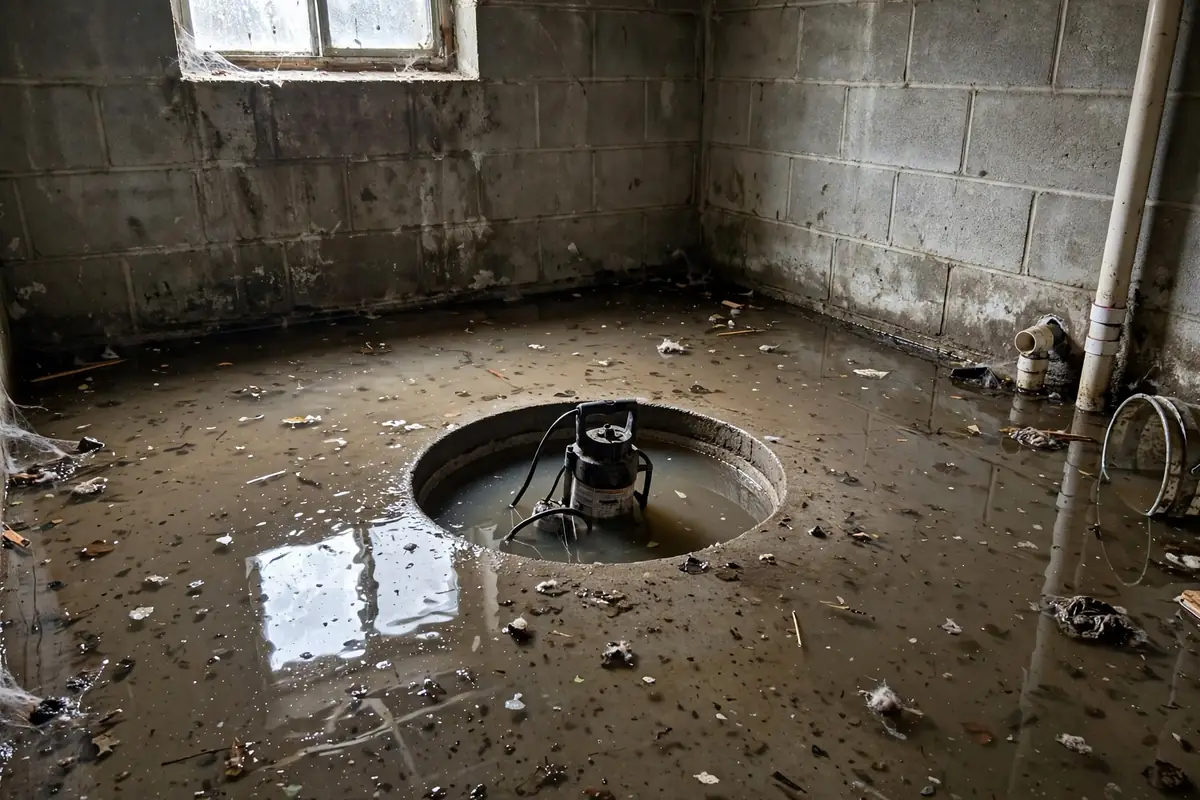 Before
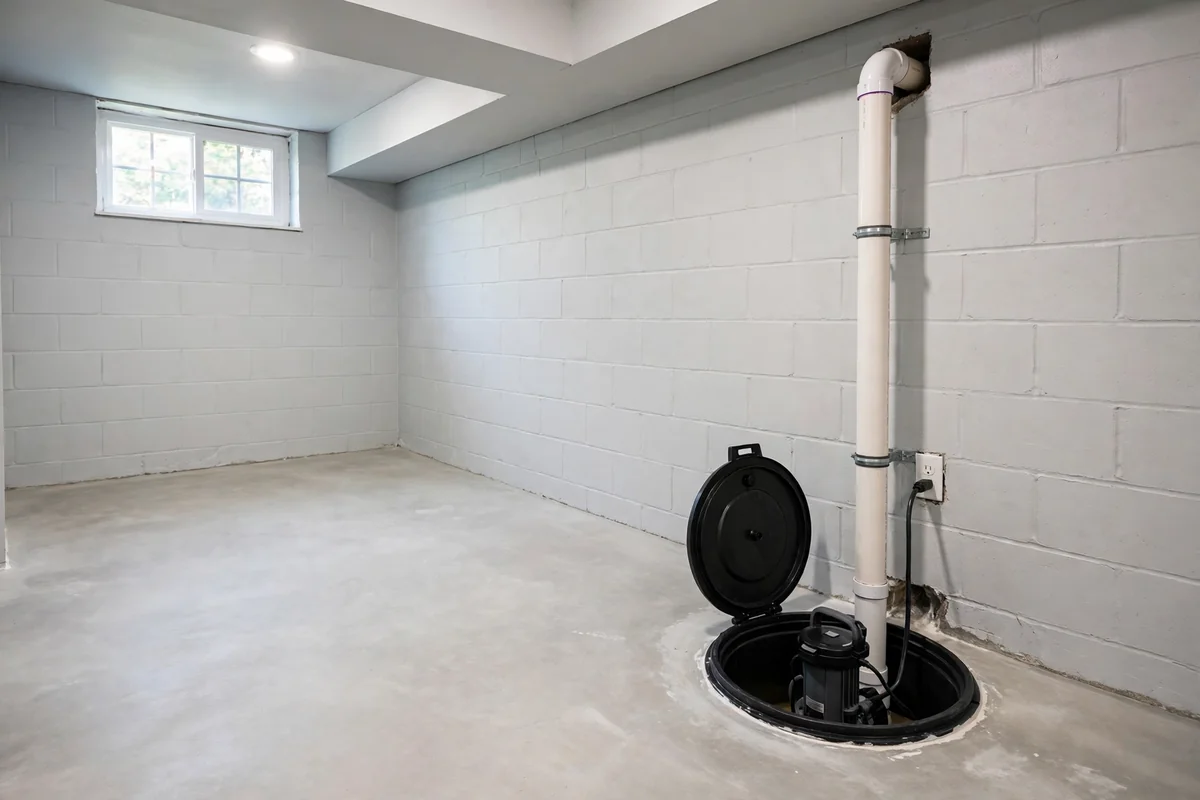 After
What Sump Pump Repair Costs
Typical United States ranges, shown as national averages for planning only. Your matched plumber gives you the price for your home before work starts.
| Job | Typical range |
|---|---|
| Float switch or check valve, with parts and labor | $150 to $350 |
| Impeller cleaning and discharge fixes | $200 to $450 |
| Full pump replacement, depending on quality | $500 to $1,200 |
| Battery backup added during the visit | $400 to $800 |
| Discharge line reroute, simple run | $200 to $500 |
| Pit cleaning and intake screen service | $100 to $250 |
Preparing for the Repair Visit
A little prep helps the pro reach the pit and test the pump fast.
Clear access to the pit. Move stored items away from the pit so the pro can lift the pump and test the float without moving your things.
Note the fault clearly. Dead pump, running without pumping, constant running, or water on the floor, and whether it is raining now. Timing helps diagnosis.
Check power first. Check the outlet and breaker for the pump. A tripped breaker is a free fix, and telling the pro saves a diagnostic step.
Move items off the floor. If water is on the floor, move boxes, rugs, and electronics to higher ground before the visit. Water damage grows fast.
Find the discharge outlet. Know where the discharge line exits the house. A blocked or frozen outlet is a common fault the pro will check.
Keep the area safe. Standing water and power do not mix. Do not step into deep water near outlets. Let the pro handle a flooded pit area.
Frequently Asked Questions
Why will my sump pump not turn on?
Check power first: the outlet, the breaker, and any switch on the pump circuit. If power is fine, the float switch may be stuck or failed, or the motor may be burned out. A pro tests the float by lifting it by hand and tests the motor separately, so the fix targets the failed part.
Why does my pump run but the water does not drop?
A clogged intake screen, a jammed impeller, or a blocked discharge line are the usual causes. The pro checks the intake, the impeller, and the discharge path in order. A frozen discharge line in winter is a common cause in cold climates.
Why does my pump run all the time?
A stuck float, a failed check valve, or a pit that fills faster than the pump empties can all cause constant running. A failed check valve lets pumped water flow back and retrigger the float. Constant running wears the motor fast, so fix it soon.
How often should I test my sump pump?
Test it at least twice a year, before spring rains and before fall storms, and after any long dry spell. Pour water into the pit until the float lifts, and watch the pump start, discharge, and stop. A pump that fails a test needs repair before the next storm, not after.
Do I need battery backup for my sump pump?
Battery backup suits homes where storms cut power, where the basement is finished, or where the pump has failed before. Adding battery backup during the visit adds $400 to $800. A backup pump runs when the main pump loses power or fails. Ask the pro to price it with your repair.
How long should a sump pump last?
Pumps last years with regular testing and pit cleaning, and fewer years when they run constantly or sit in debris. A pump that short cycles, grinds, or runs dry wears fast. Clean the pit yearly, keep the intake screen clear, and replace a pump that fails tests rather than waiting for a flood.
Why does my discharge line freeze?
A discharge line that ends too close to the house, slopes back toward the pit, or lacks a proper outlet can freeze in winter. A pro can reroute the line, add a proper slope, and move the outlet away from the foundation. Do not pour hot water down the line as a fix, it refreezes fast.
What causes a sump pump to short cycle?
A failed check valve is the top cause: pumped water flows back into the pit and retriggers the float. A float set too low can also short cycle. Both wear the motor. A check valve swap usually fixes it, and the pro sets the float height at the same visit.
Can I repair a sump pump myself?
Some homeowners swap a float or a check valve, but pit work involves power, water, and heavy pumps. A wrong part size or a poor seal can leave the basement unprotected. A pro matches parts, tests full cycles, and checks the discharge path. For a flood risk item, a pro visit is worth it.
Does The Deston charge homeowners for referrals?
No. Our matching service is free to you. You only pay the local pro for the work done at your home. You approve the pro price before work starts. The Deston is a referral service that connects homeowners with independent local plumbers. We are not a plumbing company.
What should I do if my basement is flooding now?
Move items off the floor, avoid stepping into deep water near outlets, and call at once. If the pump has power but will not run, do not keep resetting the breaker. A pro can pump the area down and find the fault. After the flood, dry the area fast to limit mold and floor damage.
More Help for Your Home
Sump Pump Services|Sump Pump Installation|Leak Detection|Residential Plumbing|All Services
A Pump You Can Trust in the Next Storm.
Call now and we will refer you to a local sump pump pro. Get a test, an upfront price, and a basement that stays dry.
(888) 418-3086Call NowThe Deston is a referral service that connects homeowners with independent local plumbers. We are not a plumbing company.