
Sump Pump Services
A dry basement depends on a sump pump system that works when it matters most: during heavy rain, spring thaw, and power outages. Sump pump services cover the full life of that system, from a first install in a home with no pit, to a replacement, to yearly care and battery backup.
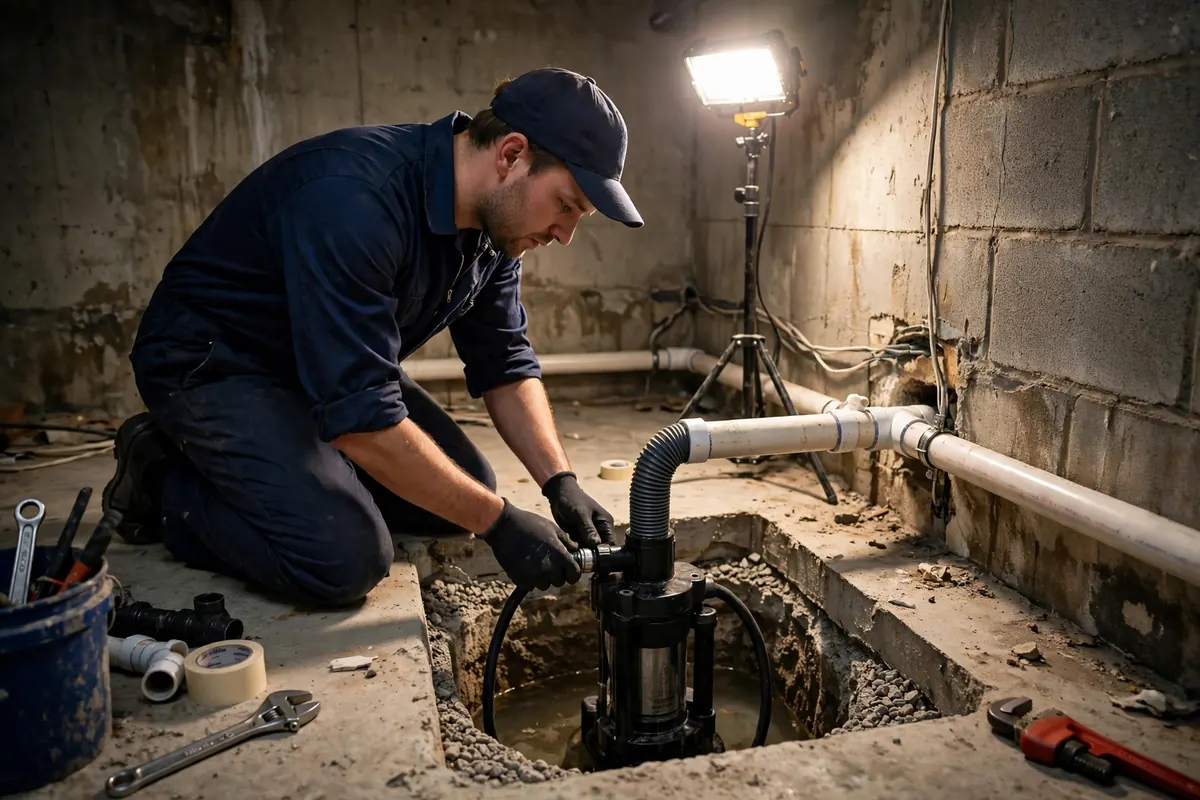
What Sump Pump Services Cover
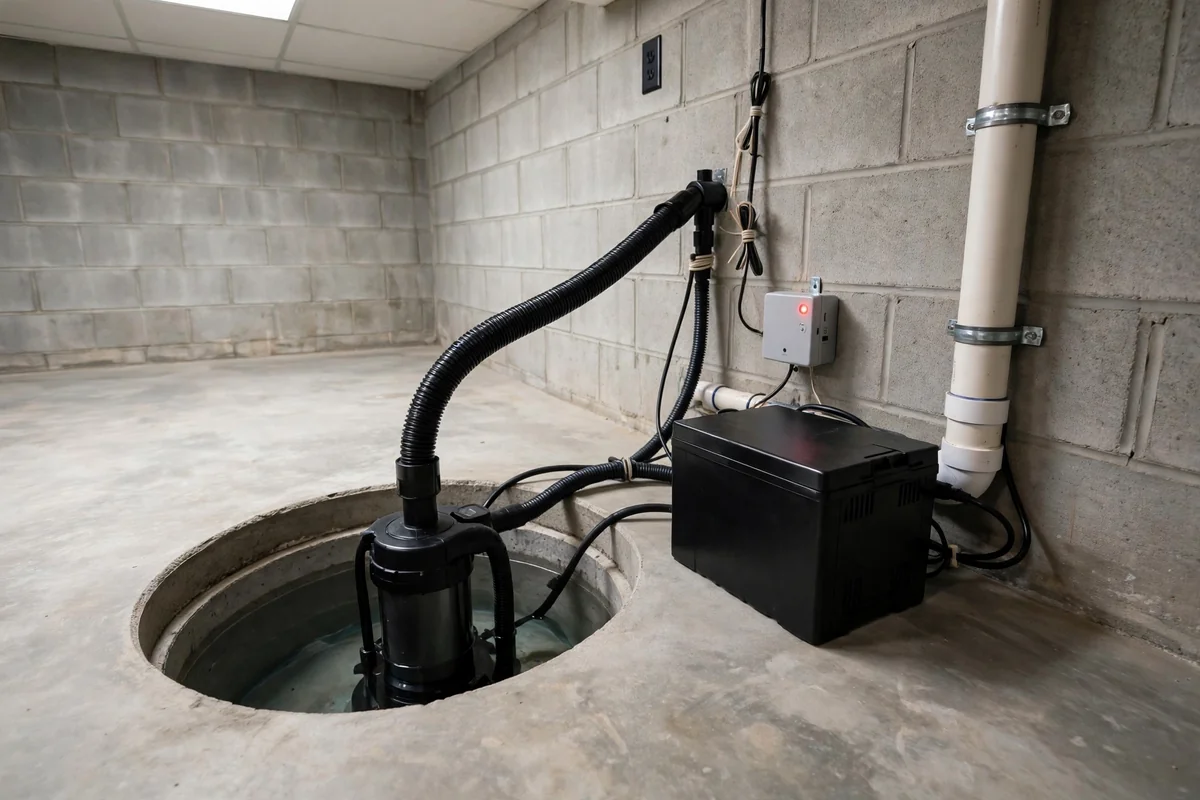
A sump pump system has more parts than the pump alone. A pit collects groundwater. A pump lifts water out. A discharge pipe carries it away from the foundation. A check valve stops backflow. A float switch starts and stops the pump. Battery backup keeps a second pump ready when power fails. Each part needs the right size and the right setup for your home, your water table, and your storm risk.
The Deston is a referral service, not a plumbing company. We connect homeowners across all 50 states with independent local plumbers who handle sump pump work regularly. We do not send our own crews. We match you with a nearby pro, you get an upfront price, and the work gets done right. The referral costs you nothing. You pay the pro for the work, after you approve the price.
Homes without a sump pump can still get one, even in an existing basement. A new pit is cut at the lowest point, drain tile feeds it, and a discharge line is run out of the house. Homes with a pump need care too: testing, pit cleaning, and backup checks keep the system ready. A pump that sits untested for years is a gamble, not a defense.
Signs You Need Sump Pump Service
Any of these means the system needs a pro look before the next heavy rain.
Water seeps into the basement
Seepage at the wall base or floor joint means groundwater is reaching the basement. A sump system with proper drain tile catches that water before it spreads. Seepage that returns after drying needs a system check.
No sump pump in a wet basement home
Homes in low areas, near water, or with a history of wet basements benefit most from a first install. If neighbors have pumps and you do not, ask a pro whether your home needs one.
Your pump is old or untested
A pump that has not been tested in a year, or that is noisy, slow, or rusted, may fail in the next storm. Testing takes minutes and tells you whether the pump still earns trust.
The basement floods in power outages
A main pump needs power. If floods follow outages, battery backup is missing or dead. A backup pump and a fresh battery close that gap.
The discharge line pools near the house
Water that exits too close to the foundation flows back into the pit and cycles the pump. A discharge line should end well away from the house, on a slope that carries water off.
Musty smell or damp walls in the basement
Dampness feeds mold and damages stored items and finishes. A working sump system dries the basement by keeping groundwater out, which cuts dampness at the source.
From Call to Protected Basement, in Six Steps
Installs take longer than repairs. The flow stays the same, and you approve the price first.
- 1
You call
Dial (888) 418-3086 and describe the basement: wet or dry, pump or no pump, finished or unfinished, and any flood history.
- 2
We refer a local sump pump pro
We connect you with an independent local plumber who handles sump systems often in homes like yours.
- 3
The pro assesses the basement
The pro checks the low point, water entry spots, power, and discharge options. For a first install, they plan the pit spot and the discharge route.
- 4
You approve the price first
You get upfront pricing before work starts, with the pump, pit work, discharge, and backup listed. You approve the price. No work starts without your say so.
- 5
Install, replace, or service
The pro does the work, sets float heights, and tests the pump through full cycles, including the backup pump if one is fitted.
- 6
Care plan for the years ahead
The pro shows you how to test the pump, when to clean the pit, and when to replace the backup battery, so the system stays ready.
Install, Replace, or Maintain: Which Service Fits
A first install suits a home with wet basement problems and no pump. New sump pump installation, including the pit, runs $800 to $2,000. The work includes cutting the pit, setting the pump, running the discharge line, and testing the system. Drain tile may add cost when the basement needs a full interior drain system, and the pro can price that separately.
A replacement suits a home with a pit already in place and a pump that failed or cannot keep up. Pump replacement, with the pit already existing, costs $400 to $1,200, depending on pump type and quality. A replacement is also the time to size up, add backup, or fix a discharge line that pools near the house. Doing those fixes with the swap saves a second visit.
Maintenance suits a home with a working pump that needs to stay working. A yearly service includes a pump test, a pit clean, an intake screen check, a float check, and a discharge check. Common repairs such as a float switch, a check valve, or a discharge clearing run $150 to $600. Maintenance is the cheapest service on this page, and it prevents the most costly outcome: a flood.
Sump Pump Services Available
One referral can cover the full life of your sump system.
New sump pump installation
Pit cutting, pump sizing, discharge routing, and full cycle testing for homes with no pump yet. The pro picks the pit spot at the basement low point and routes discharge away from the foundation.
Pump replacement and upgrades
Failed pump swaps, sizing upgrades for heavy water homes, and pedestal to submersible changes. The pro matches the new pump to the pit and the discharge line already in place.
Battery backup and maintenance
Backup pump and battery installs, alarm checks, pit cleaning, and yearly service visits. Battery backup added to an existing pump costs $300 to $800 for the backup pump, battery, and installation.
Battery Backup vs. Main Pump Only
A main pump handles most storms. Backup handles the storms that cut power.
| Factor | With battery backup | Main pump only |
|---|---|---|
| Power outage | Backup pump runs on battery | No pumping until power returns |
| Main pump failure | Backup pump takes over | Basement floods |
| Cost | Higher up front, backup included | Lower up front |
| Upkeep | Battery tested and replaced on schedule | Main pump tested only |
| Best when | Finished basement, outage prone area | Unfinished space, rare outages |
Before and After: From Damp to Dry Basement
The photos below are illustrations of the difference this work makes. They are not photos of a real job.
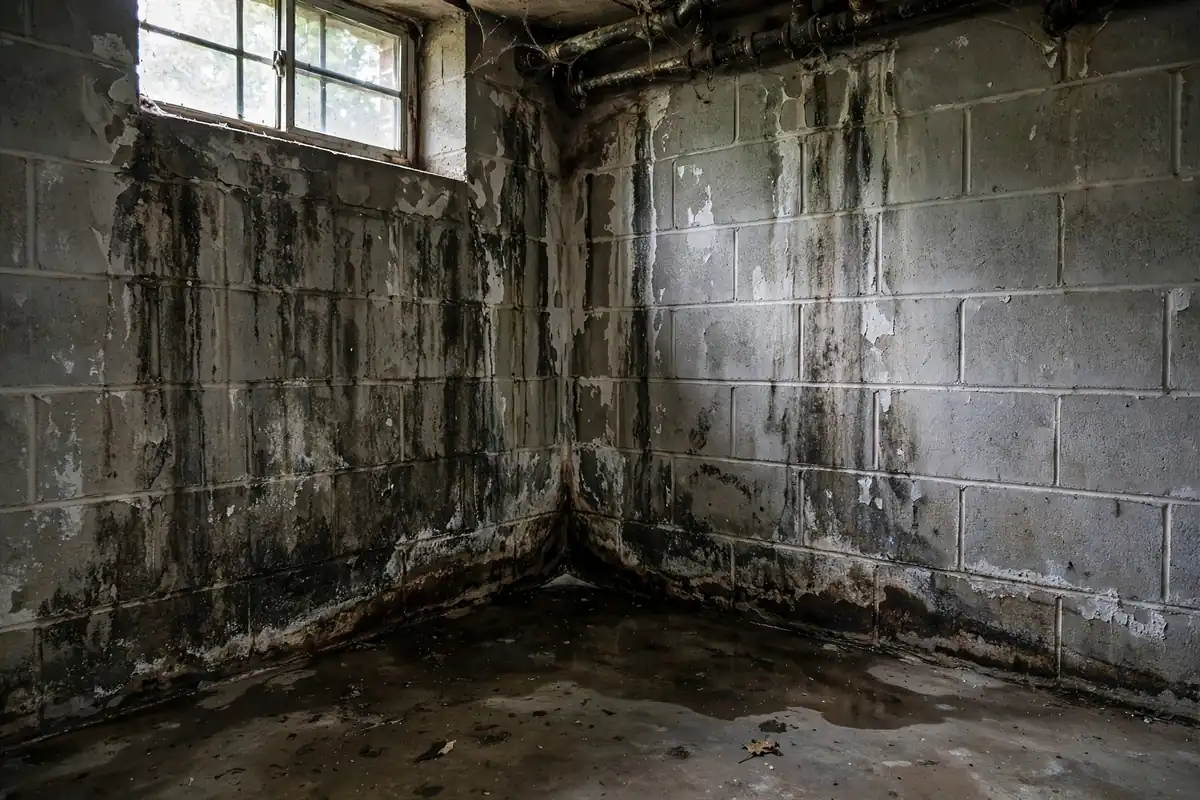 Before
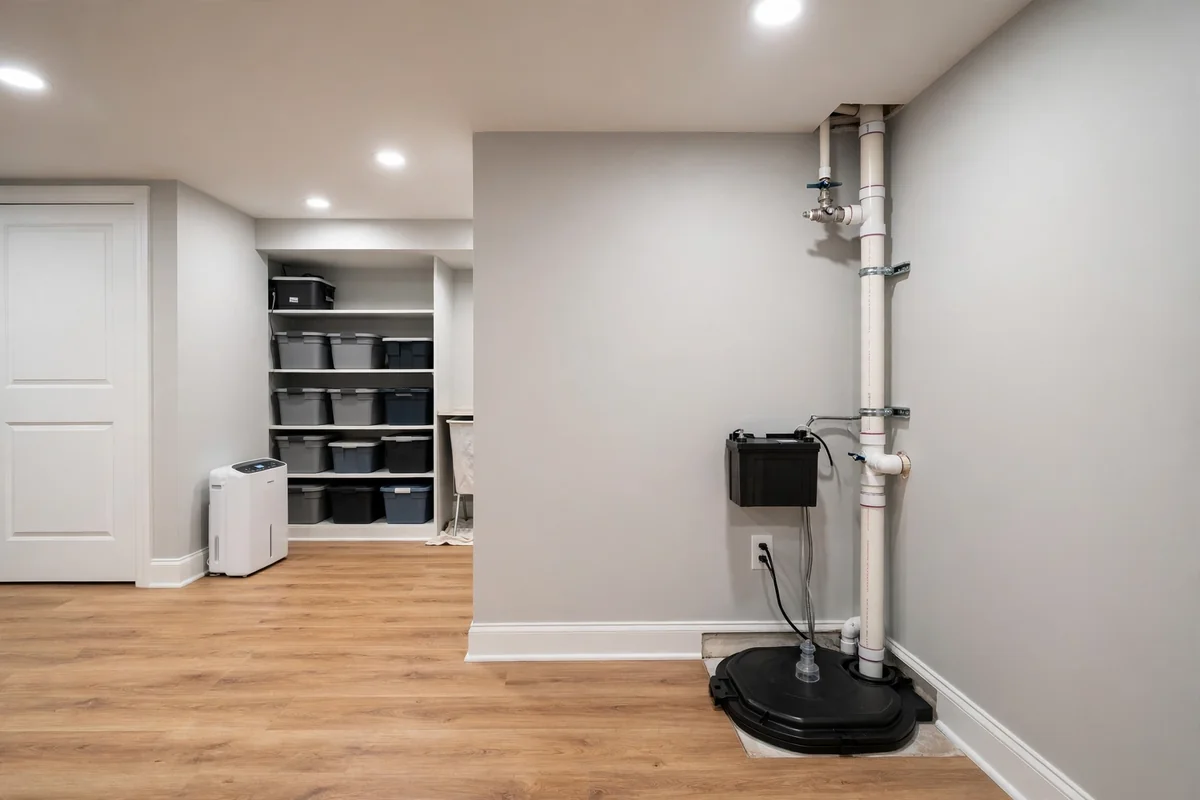 After
What Sump Pump Services Cost
Typical United States ranges, shown as national averages for planning only. Your matched plumber gives you the price for your home before work starts.
| Job | Typical range |
|---|---|
| New sump pump installation, including pit | $800 to $2,000 |
| Pump replacement, pit already exists | $400 to $1,200 |
| Battery backup system added to existing pump | $300 to $800 |
| Common repairs, float, valve, discharge clearing | $150 to $600 |
| Yearly maintenance visit | $150 to $350 |
| Discharge line reroute, simple run | $200 to $500 |
Preparing for the Service Visit
A little prep helps the pro assess the basement and finish on schedule.
Clear access to the pit area. Move stored items away from the pit and the planned discharge route so the pro can work and test without moving your things.
Note flood history. When the basement floods, how deep, and whether outages were involved. History guides pump sizing and backup choices.
Find power and discharge spots. Know where the pump outlet sits and where the discharge line exits. A pro who can trace both fast can diagnose faster.
Move items off the floor. If the basement is wet, move boxes and electronics to higher ground before the visit. Water damage grows fast.
Ask about backup early. If you want battery backup priced, say so when you book, so the pro brings the right backup pump and battery.
Keep the area safe. Standing water and power do not mix. Do not step into deep water near outlets. Let the pro handle a flooded area.
Frequently Asked Questions
Do I need a sump pump if my basement is dry now?
A dry basement today does not mean a dry basement in a heavy storm. Homes in low areas, near water, or with neighbors who have pumps face higher risk. A pro can assess water entry spots and tell you whether a pump is worth it for your home. A first install is cheaper than a flood cleanup.
How much does a new sump pump installation cost?
New sump pump installation, including the pit, runs $800 to $2,000. The range covers the pit work, the pump, and the discharge line. Drain tile for a full interior system adds cost and is priced separately. Your pro gives an upfront price after seeing the basement.
How much does it cost to replace a sump pump?
Pump replacement, with the pit already existing, costs $400 to $1,200, depending on pump type and quality. A submersible pump costs more than a pedestal pump in most cases. The pro can price both types for your pit and your water load.
What does battery backup cost?
Battery backup added to an existing pump costs $300 to $800 for the backup pump, battery, and installation. The battery needs testing and periodic replacement. A backup system with an alarm alerts you when it runs, so you know the main pump failed.
How often should I test my sump pump?
Test it at least twice a year, before spring rains and before fall storms. Pour water into the pit until the float lifts, and watch the pump start, discharge, and stop. Test the backup pump too, by cutting main power briefly if your system allows it safely.
What maintenance does a sump pump need?
A yearly service includes a pump test, a pit clean, an intake screen check, a float check, and a discharge check. Keep the pit free of debris, and keep the discharge outlet clear of leaves and ice. A clean pit and a clear discharge line prevent most pump faults.
Pedestal or submersible: which is better?
Submersible pumps sit in the pit, run quieter, and last longer in most homes. Pedestal pumps have the motor above the pit, cost less, and suit shallow pits. Most modern homes use submersible pumps. Ask the pro which type suits your pit depth and basement use.
Where should the discharge water go?
Well away from the foundation, on a slope that carries water off and does not pool near the house. Water that exits too close flows back into the pit and cycles the pump. A pro can reroute a short discharge line as part of a service visit.
Can a sump pump handle a finished basement?
Yes, when sized right and backed up. A finished basement raises the stakes, because a flood damages floors, walls, and belongings. Size the pump for heavy rain, add battery backup, and add an alarm that alerts you when the backup runs. Test the system before storm season.
Does The Deston charge homeowners for referrals?
No. Our matching service is free to you. You only pay the local pro for the work done at your home. You approve the pro price before work starts. The Deston is a referral service that connects homeowners with independent local plumbers. We are not a plumbing company.
What should I do if my pump fails during a storm?
Move items off the floor, avoid stepping into deep water near outlets, and call at once. A pro can bring a temporary pump and find the fault. After the storm, dry the area fast to limit mold and floor damage, and ask about backup so the next outage does not flood again.
More Help for Your Home
Sump Pump Repair|Sump Pump Installation|Leak Detection|Residential Plumbing|All Services
A Basement That Stays Dry, Storm After Storm.
Call now and we will refer you to a local sump pump pro. Get an assessment, an upfront price, and a system built for your home.
(888) 418-3086Call NowThe Deston is a referral service that connects homeowners with independent local plumbers. We are not a plumbing company.