
Slab Leak Repair
A slab leak is a water line leak under your home’s concrete foundation. The supply pipes sit buried in or beneath the slab. When one of them springs a leak, the water has nowhere to go but up into your floors or out into the soil below.
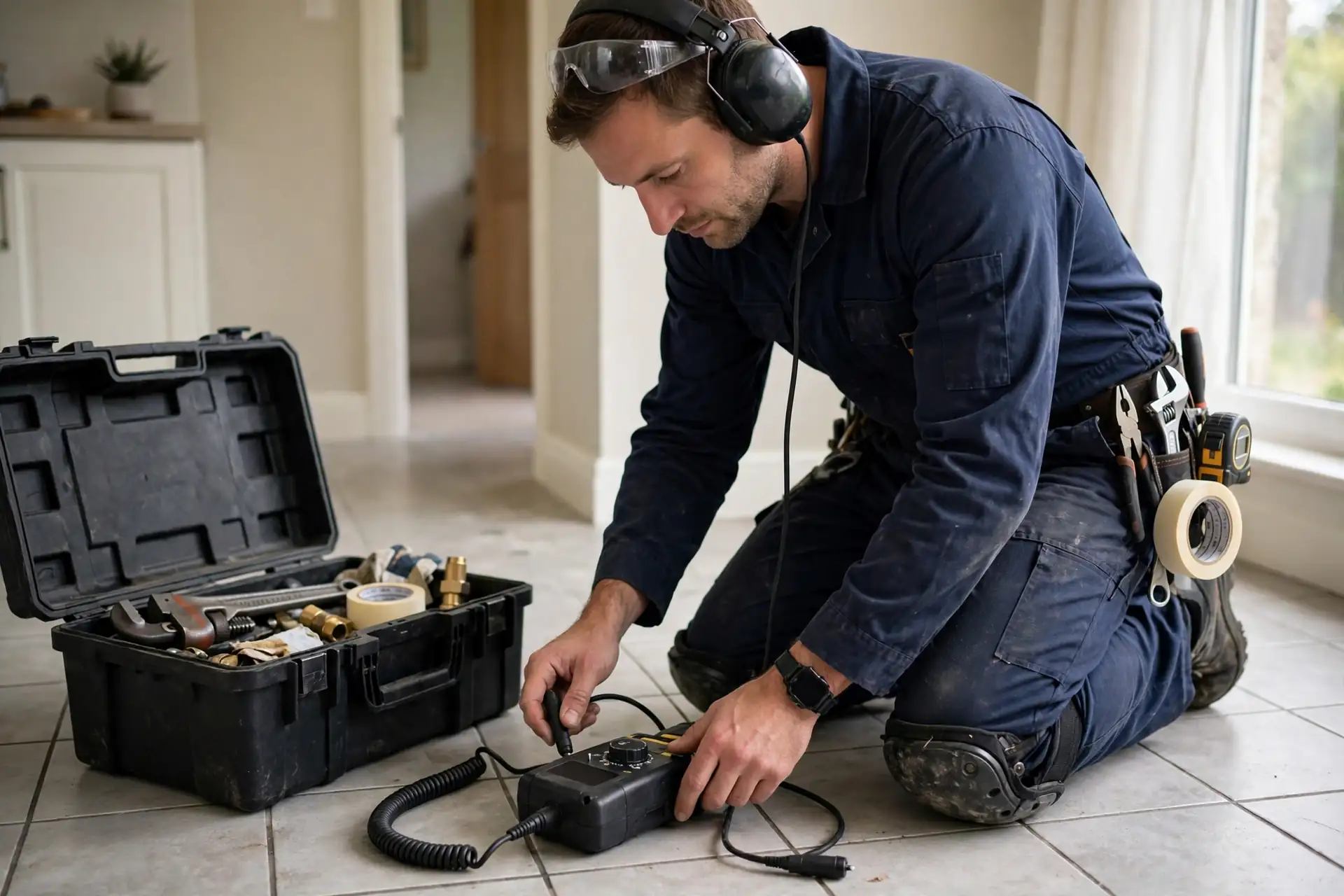
A Leak You Rarely See, But Always Feel in the Bill
You almost never see a slab leak directly. You notice the clues instead. A warm patch on the tile that never cools. A water bill that climbs with no change in how you use water. The faint hiss of running water when every tap is off. These signs point to trouble under the concrete.
A slab leak does not heal on its own. Pressure keeps pushing water out through the break, and the hole usually grows over time. Small leaks become big ones. Early repair costs less than waiting until flooring, drywall, or the foundation itself takes damage.
The Deston is a referral service that connects homeowners with independent local plumbers across all 50 states. We are not a plumbing company. We do not send our own technicians, and we do not own service trucks. When you call (888) 418-3086, we match you with a local pro who handles slab leak work in your area. That plumber gives you the diagnosis and the price. You decide what happens next.
Signs You Need Slab Leak Repair
One clue alone may mean little. Two or more together mean a leak check is overdue.
Warm spots on the floor
A hot water line leak warms the concrete above it. Walk barefoot across tile or laminate and feel for patches that stay warm. A warm patch that never cools, in the same place day after day, is a strong clue.
A water bill that jumps
Compare this month’s bill to the same month last year. A sharp rise with no change in habits often means water is escaping underground. Check for running toilets first, then suspect the slab.
The sound of running water
Stand near the floor in a quiet house. If you hear water moving when no tap, toilet, or appliance is running, a pipe may be leaking under the slab. The hiss is water escaping under pressure.
Damp floors or carpet
Wet spots on carpet, buckling laminate, or tile that feels damp point to water pushing up from below. Drying the surface does not help when the source sits under the concrete.
Low water pressure
A leak diverts water before it reaches your fixtures. If pressure drops across the whole house at once, the main line under the slab is a prime suspect. One weak fixture is local. Whole house weakness is not.
Mold or mildew smells
Constant moisture under flooring feeds mold growth. A musty odor near the floor, with no visible source, deserves a closer look. The smell often appears before any damp spot shows.
Cracks in walls or flooring
Shifting soil from a long running leak can crack tile, grout lines, or drywall near the base of walls. The leak comes first. The cracks follow. New cracks near the floor after a bill jump are a red flag pair.
Hot water that runs out fast
A hot line leak bleeds heated water into the ground around the clock. The water heater works harder, runs longer, and still cannot keep up. If hot water fades sooner than it used to, a hot line leak is worth ruling out.
Soggy soil or lush grass patches
A leak near the slab edge can push water out along the foundation. One strip of grass that stays green and soft while the rest dries out may sit over a leaking line.
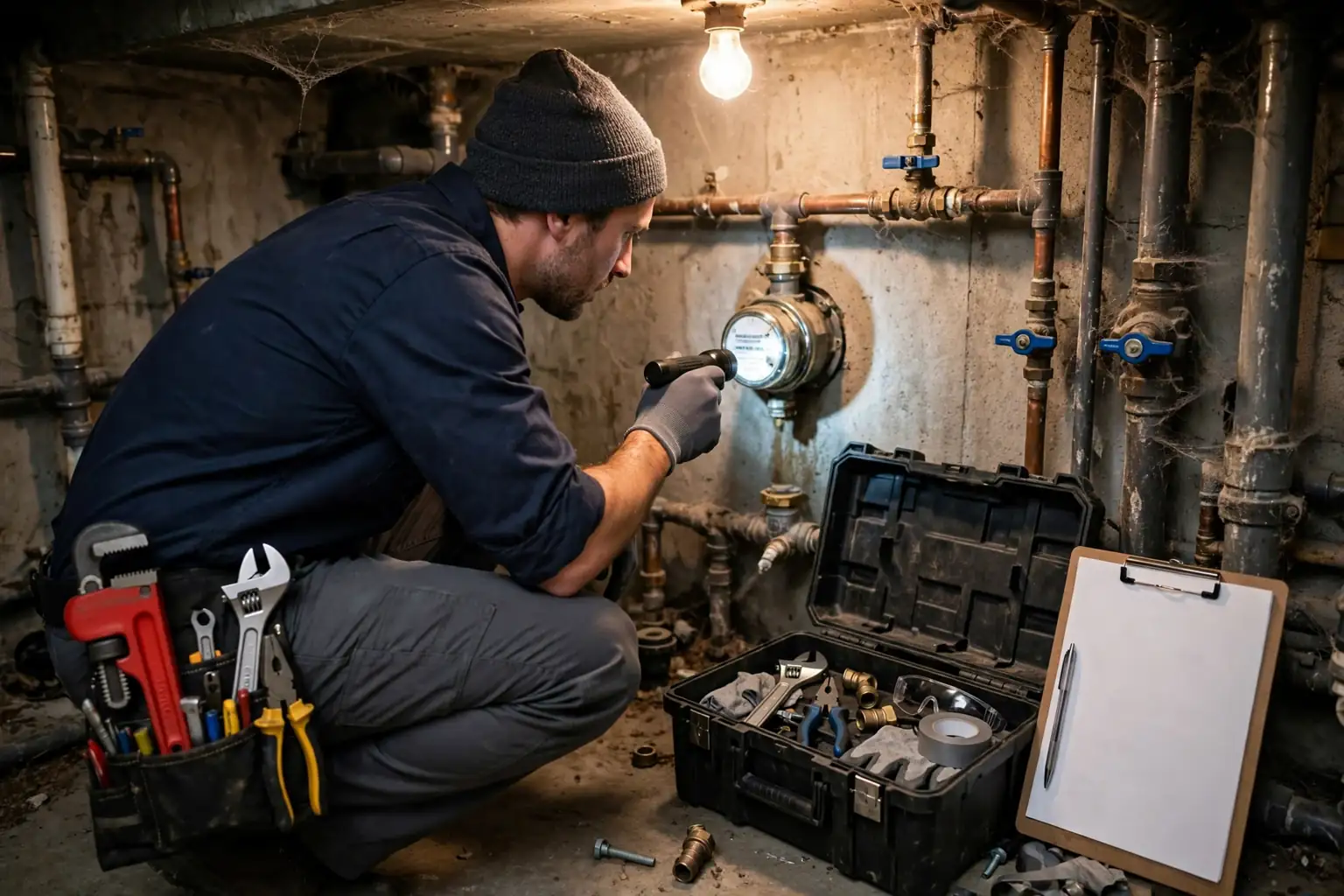
Confirm, Pinpoint, Choose, Fix
Breaking concrete at random is wasteful. A good job follows clear stages.
- 1
Get matched with a local pro
Call (888) 418-3086. The Deston connects you with an independent plumber near you who works on slab leaks. The plumber schedules a visit at your home.
- 2
Confirm the leak
The plumber starts with simple checks. They read your water meter with all fixtures off. If the meter still moves, water is leaving the system somewhere. This test rules out a running toilet or a dripping tap.
- 3
Pinpoint the location
Pros use acoustic listening gear that picks up the sound of water escaping a pipe. Thermal cameras spot the heat from a hot line leak. These tools narrow the search to a small area.
- 4
Choose the repair path
The plumber lays out your options. A single break in an otherwise sound pipe may suit a spot repair through the slab. Older pipe with multiple weak points may call for a reroute above the floor. You get the tradeoffs and the prices for each.
- 5
Open the slab or reroute
For a spot repair, the crew cuts a small section of flooring and concrete, fixes the damaged pipe section, and backfills. For a reroute, they run new pipe through walls or the attic and cap off the old line under the slab.
- 6
Test and restore
The plumber pressure tests the repaired line to confirm the leak is gone. Then the concrete gets patched and the flooring put back. A final walkthrough checks every fixture before the crew leaves.
Slab Leak Repair Options
Four paths, each right for a different pipe condition.
Spot repair through the slab
The crew opens the concrete at the leak point and replaces the damaged section of pipe. This works best when the leak is isolated and the rest of the line tests healthy. It is the least invasive fix, but it leaves the remaining old pipe in place.
Epoxy pipe lining
A special resin coats the inside of the existing pipe and hardens into a new inner wall. This seals pinhole leaks without opening the slab. It suits pipes that are mostly sound but have a few small leaks. It does not help pipe that is crushed, badly corroded, or collapsed.
Full reroute above the slab
New water lines run through walls, ceilings, or the attic, and the old under slab line gets abandoned. This avoids breaking concrete entirely. It costs more up front, but it ends the cycle of repeat slab leaks for good. Many homeowners with older homes pick this path after a second leak.
Partial reroute
Only the problem line gets rerouted while the rest stays as is. This is a middle ground when one line keeps failing but the others still look fine. The plumber can pressure test each line to help you decide.
Pressure regulation
High water pressure stresses every joint under the slab. If your pressure tests high, a regulator protects the new work and the lines that remain. Ask the plumber to check pressure during the visit.
Water treatment for hard water
Hard water wears pipe from the inside over years. If scale and corrosion caused the leak, treating the water slows the same damage on the rest of the system. It is prevention, not a repair, but it protects the repair you just paid for.
What Causes Slab Leaks
Knowing the cause helps you pick the fix that lasts.
Copper against concrete
Chemical reactions between copper pipe and concrete eat the pipe wall over years. This is a slow process, which is why slab leaks often appear in homes that are decades old rather than new ones.
Fix that lasts: reroute or lining, since a spot repair leaves the same copper against the same concrete elsewhere.
Abrasion from expansion
Pipes expand and contract as water temperature changes. Where a pipe rubs against the slab edge or a rough concrete surface, that movement wears a thin spot until it breaks through.
Fix that lasts: reroute with proper sleeving, so the new pipe never rubs raw concrete.
High water pressure
Pressure above what the system was built for stresses joints and thin spots. A single pressure spike can open a weak point that was close to failing.
Fix that lasts: repair plus a pressure regulator set to a safe range for the home.
Poor installation
Kinked pipe, bad joints, and unprotected runs under the slab fail early. Installation defects usually show up as leaks in younger homes, and they often repeat at other joints from the same job.
Fix that lasts: pressure test every line, and reroute if several joints from the same install test weak.
Hard water wear
Hard water lays scale inside pipes and speeds corrosion in metal lines. The wear is gradual and system wide, which is why one hard water leak often predicts more.
Fix that lasts: repair plus water treatment to slow wear on the remaining lines.
Shifting soil
Soil that swells when wet and shrinks when dry moves the slab and the pipes with it. That movement stresses joints until one gives way. Expansive soils make this a repeat risk.
Fix that lasts: reroute above the slab, where soil movement cannot reach the new lines.
What Slab Leak Repair Costs
Costs swing widely because no two slab leaks are the same. United States ranges:
| Job | Typical range |
|---|---|
| Leak detection alone | $150 to $400 |
| Spot repair through the slab | $500 to $2,500, depending on pipe depth and flooring |
| Epoxy lining for a single line | $1,500 to $4,000 |
| Full reroute above the slab | $2,000 to $6,000 or more for a typical home |
Before and After: Damp Floor to Dry Floor
The photos below are illustrations of slab leak damage and the restored floor that follows a repair. They show the kind of change to expect, not one specific job.
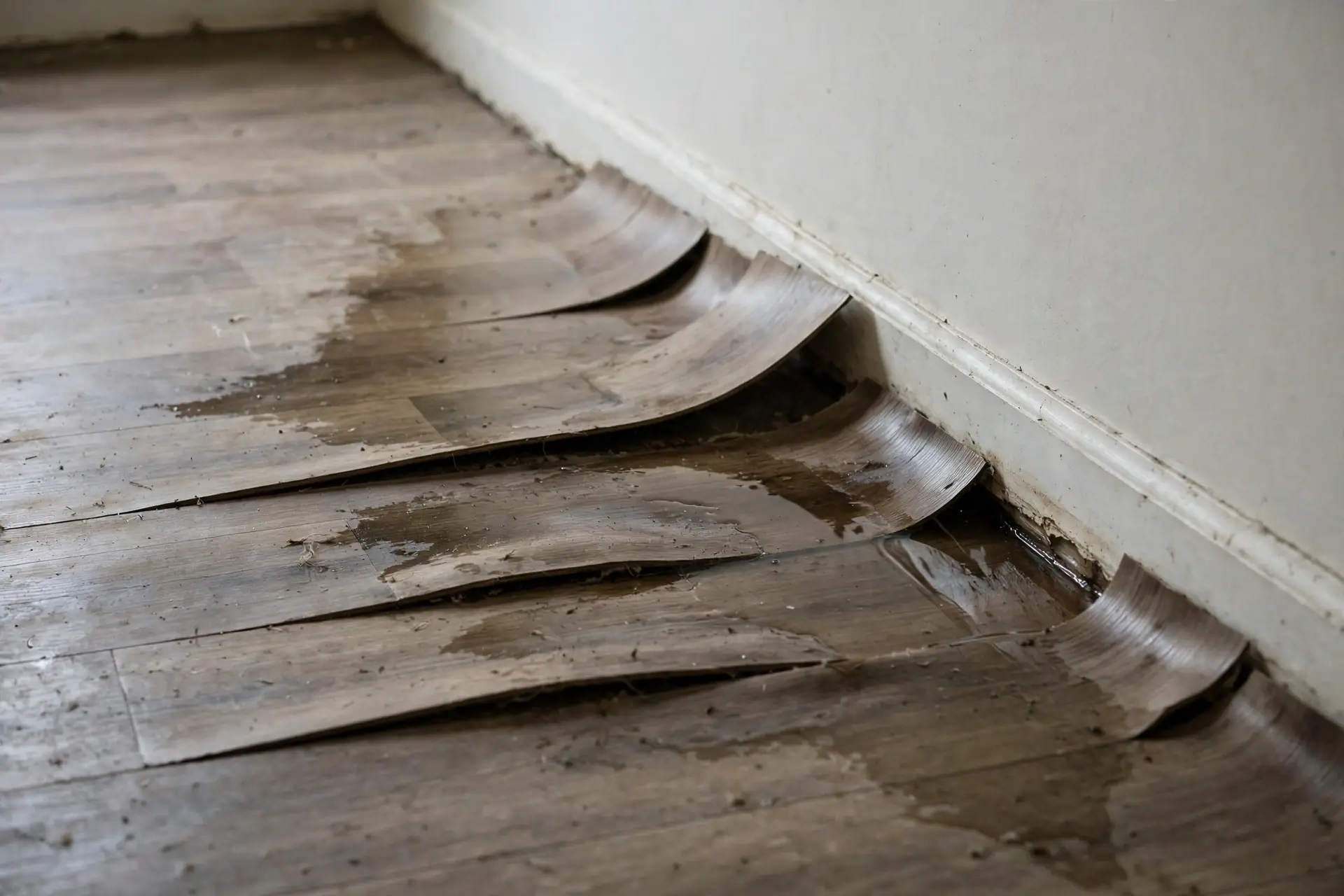 Before
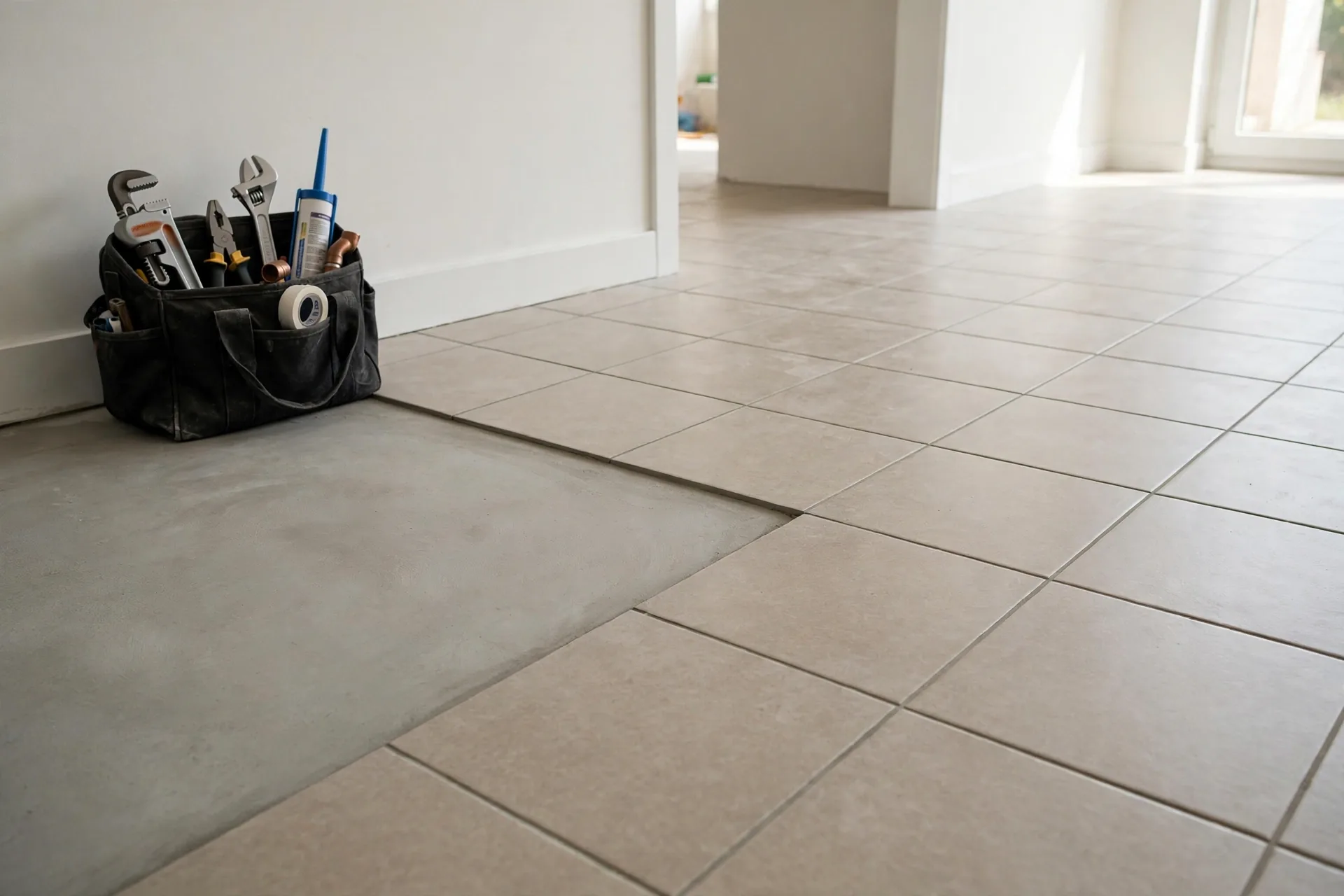 After
Before the Plumber Arrives
A few checks make the visit faster and the diagnosis sharper.
Try the meter test. Turn off every tap, toilet, and appliance that uses water. Then watch your water meter for 15 minutes. If the dial or numbers keep moving, water is escaping somewhere in the system. Tell the plumber the result.
Note the clues. Warm patches, bill jumps, sounds, damp spots, and new cracks. Write down where each one sits and when it started. The pattern narrows the search.
Clear the suspect areas. Move rugs, furniture, and stored items off floors where warm spots or dampness appeared, so the tech can run listening gear and thermal scans.
Gather past bills. A year of water bills shows when the usage jumped. That date often matches when the leak started, and it helps with insurance documentation.
Check your insurance wording. Many policies cover the water damage a sudden leak causes, such as ruined flooring. Coverage for the pipe repair itself varies, and some policies exclude wear and tear. Read your policy or call your agent before the plumber arrives so you know what to document.
Photograph the damage. Damp spots, buckled boards, and cracks change as the leak runs. Photos dated today protect you if the damage grows before the repair.
Frequently Asked Questions
How do I know I have a slab leak and not just a dripping faucet?
Try the meter test. Turn off every tap, toilet, and appliance that uses water. Then watch your water meter for 15 minutes. If the dial or numbers keep moving, water is escaping somewhere in the system. A plumber can then trace whether the loss is under the slab or somewhere easier to reach.
Can a slab leak go away on its own?
No. A leaking pipe under concrete does not heal. Pressure keeps pushing water out through the break, and the hole usually grows over time. Small leaks become big ones. Early repair costs less than waiting until flooring, drywall, or the foundation itself takes damage.
Will my homeowners insurance cover slab leak repair?
It depends on your policy. Many policies cover the water damage a sudden leak causes, such as ruined flooring. Coverage for the pipe repair itself varies. Some policies exclude wear and tear. Read your policy or call your agent before the plumber arrives so you know what to document.
Do plumbers have to break my concrete floor?
Not always. Acoustic and thermal tools let pros find the leak without random digging. Even then, a spot repair needs one opening in the slab. If you want to avoid concrete work entirely, a reroute runs new pipe through walls or the attic instead. Ask the plumber to price both paths.
How long does slab leak repair take?
Detection usually takes one to two hours. A spot repair often finishes in a single day, though concrete patching and flooring may need a follow up visit. A full reroute can take two to four days depending on the size of the home. Your plumber will give you a timeline with the quote.
What causes slab leaks in the first place?
Common causes include chemical reactions between copper pipe and concrete, abrasion where pipes rub against the slab as they expand and contract, high water pressure, and poor installation. Hard water can also wear pipe from the inside. A plumber can tell you which cause fits your home and how to prevent a repeat.
Should I repair the leak or reroute the line?
Repair makes sense for a first leak in otherwise healthy pipe. Reroute makes sense when leaks keep coming back, the pipe is old, or pressure tests show weakness along the whole line. A reroute costs more now but ends the pattern. Get both prices before you choose.
Can I still use water while waiting for the repair?
It depends on the leak. A small leak lets you use water with care while you wait for the visit. A large leak, or one soaking floors, calls for shutting the main valve until the plumber arrives. Your plumber can advise by phone once you describe the symptoms. When in doubt, shut it off and use bottled water for drinking.
Will a reroute change my water pressure?
A reroute done right should not lower pressure. New lines are sized to match the old system, and the plumber pressure tests the finished runs. If pressure was low because of the leak itself, it often improves after the repair.
How do I prevent the next slab leak?
Fix the cause, not just the hole. Regulate high pressure, treat hard water, and reroute lines that have failed twice. After any slab repair, keep an eye on water bills month to month. A new jump is the earliest warning you will get, and it costs nothing to watch.
Does a slab leak always mean foundation damage?
No. Most slab leaks damage flooring and finishes long before they threaten the foundation itself. Long running leaks that wash out soil can shift the slab, which is why early repair matters. A plumber can tell you whether the leak you have is a finishes problem or a soil problem.
More Leak Help
Leak Detection | Pipe Repair | Whole House Repiping | All Services
Slab Leaks Only Grow. Catch Yours Early.
A meter test takes 15 minutes. A detection visit takes an hour or two. Either one beats months of water running under your floors. Call now and we will connect you with a local slab leak pro.
(888) 418-3086 Call NowThe Deston is a referral service that connects homeowners with independent local plumbers. We are not a plumbing company.