
Burst Pipe Repair
A burst pipe is every homeowner nightmare. One moment the plumbing is fine. The next, water is spraying from a wall, a ceiling is sagging, or a basement floor is turning into a pond. A ruptured pipe can dump gallons per minute into your home. Fast action limits the damage.
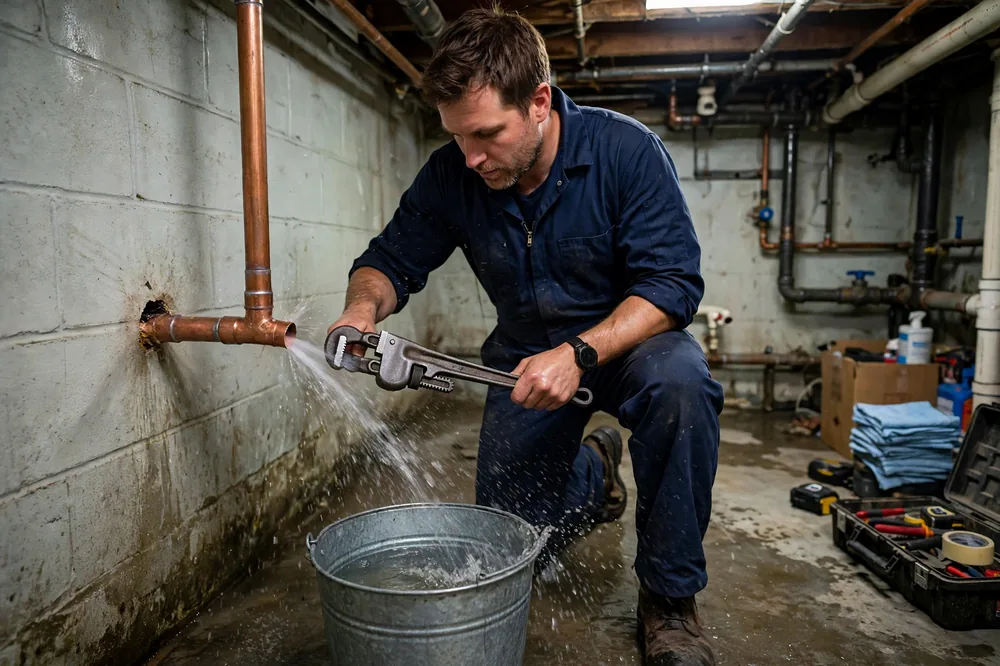
Stop the Water, Fix the Pipe, Dry the Room
The first move is always the same: shut off the water. Find your main shutoff valve and turn it until it stops. Then open a few taps to drain pressure from the lines. After that, call for help. The Deston is a nationwide referral service that connects homeowners with independent local plumbers in all 50 states. We are not a plumbing company and we do not dispatch our own crews.
When you call (888) 418-3086, we match you with a local pro who can respond to your emergency. That plumber quotes the work and does the repair. You pay the plumber directly, and the plumber gives you upfront pricing before work starts.
A burst in a crawl space or an unfinished basement may drain away with little interior damage. A burst inside a finished wall or above a ceiling is the one that soaks rooms. Either way, the pipe needs a proper repair before the water comes back on.
Signs You Need Burst Pipe Repair
Some bursts announce themselves. Others hide until the damage is large. Watch for both kinds.
Water spraying or gushing
The clearest sign. A split pipe throws a visible stream. You may hear it before you see it, a loud hiss or rush behind a wall.
Sudden loss of water pressure
If pressure drops to a trickle across the house at once, a major line may have split open and water is pouring out somewhere hidden.
Stained or sagging ceilings
A burst pipe above a ceiling soaks the drywall. Yellow-brown stains spread fast. Sagging means the drywall is waterlogged and may give way.
Puddles where they should not be
Water pooling under sinks, along baseboards, or across basement floors points to a break. Follow the water uphill to find the source.
Banging or hammering noises before failure
Water hammer, that loud bang when a tap shuts, stresses joints and weak pipe. A history of hammering often comes before a burst.
No water from a tap in winter
A frozen pipe that suddenly releases water, or a tap that goes dry while others work, can signal a freeze rupture somewhere along the line.
Wet drywall or bubbling paint
Paint that bubbles or wallpaper that peels near plumbing walls means water is soaking the wall cavity from a split pipe inside.
Unexplained damp smell
A musty smell in one room, with no visible water, can mean a slow split is wetting insulation and framing behind the wall.
Water meter spinning, taps off
If the meter moves with every tap closed, water is escaping somewhere. Shut the main valve and call, since a hidden burst may be running.

How Burst Pipe Repair Works
Here is the sequence a local pro usually follows, from first call to dry room.
- 1
Stop the water
Before the plumber arrives, shut the main valve. If you cannot find it, look near the water meter, in the basement, or in the garage. Open cold taps on the lowest floor to drain the lines.
- 2
Get connected to a local pro
Call (888) 418-3086. The Deston matches you with an independent plumber in your area. Tell them where the water is and how fast it is spreading so they come prepared.
- 3
Assess the break
The plumber opens the wall, ceiling, or floor at the damage point and inspects the pipe. They check how long the split is, what caused it, and whether nearby sections look weak too.
- 4
Remove the damaged section
The burst length gets cut out with room to spare on each side. Weak or corroded pipe near the break often gets removed at the same time so the repair does not fail twice.
- 5
Install the new section
A matching length of new pipe goes in with proper couplings or soldered joints, depending on the material. The plumber sizes it to the existing line and secures it so it cannot shift.
- 6
Restore pressure and check
The main valve reopens slowly while the plumber watches the repair and every joint nearby. Once the line holds full pressure with no drips, the wall or ceiling can be patched and dried.
Types and Options
The right fix depends on the pipe material, the cause, and the condition of the rest of the run.
Section replacement
The standard fix. The split length comes out and new pipe goes in. This works for copper, PEX, and CPVC lines alike. The new section should match or upgrade the old material.
Full run replacement
When the burst pipe is old galvanized steel or the plumber finds thin, corroded pipe along the whole run, replacing just the split is short-sighted. Swapping the entire run costs more now but stops the next burst from happening next month.
Freeze-break repair with insulation
Bursts caused by freezing get an extra step. After the new section goes in, the plumber insulates the line or recommends heat tape for exposed runs. Fixing the pipe without fixing the freeze risk invites a repeat every winter. See frozen pipe repair for freeze help.
Emergency water extraction and drying
The pipe fix is only half the job. Standing water needs removal, and soaked drywall and subfloor need drying or replacement. Many plumbers coordinate with or recommend restoration pros. Ask yours what the repair quote includes and what it does not.
Pressure and hammer check
After the repair, ask the plumber to check water pressure, since high pressure strains every joint in the house. Fix water hammer with arrestors, and the next weak joint lasts longer.
Whole-house repiping, when pipes keep failing
If the pipe that burst is old and corroded, ask whether a larger repiping job makes sense. See whole-house repiping when old pipe keeps failing.
Why Pipes Burst in Winter and Beyond
Water expands as it freezes. Ice forms a blockage, and pressure builds between the ice and the nearest closed tap. That pressure splits the pipe, often at a joint or a weak spot. Pipes in exterior walls, attics, and crawl spaces face the highest risk.
Age and corrosion cause bursts in any season. Galvanized steel thins from the inside, copper pits in aggressive water, and joints weaken after decades of pressure cycles. High water pressure speeds all of it up, and water hammer adds shock loads that finish weak joints.
A repair clamp can slow a small leak long enough for the plumber to arrive. Tape alone rarely holds against full line pressure. Treat any DIY fix as a stopgap, not a solution. A proper repair needs the damaged section cut out and replaced.
What Burst Pipe Repair Costs
These are national ranges, not quotes. Your local plumber gives you upfront pricing before work begins. Ask whether the quote covers opening walls, the pipe repair, patching, and cleanup.
| Job | Typical range |
|---|---|
| Accessible burst pipe, open basement or crawl space | $200 to $600 |
| Burst inside a finished wall or ceiling | $400 to $1,200 |
| Water damage side: drywall, flooring, mold cleanup, added | $1,000 to $5,000 or more |
Before and After: A Split Pipe
The photos below are illustrations of the difference a proper section replacement makes. They are not photos of a real job.
 Before
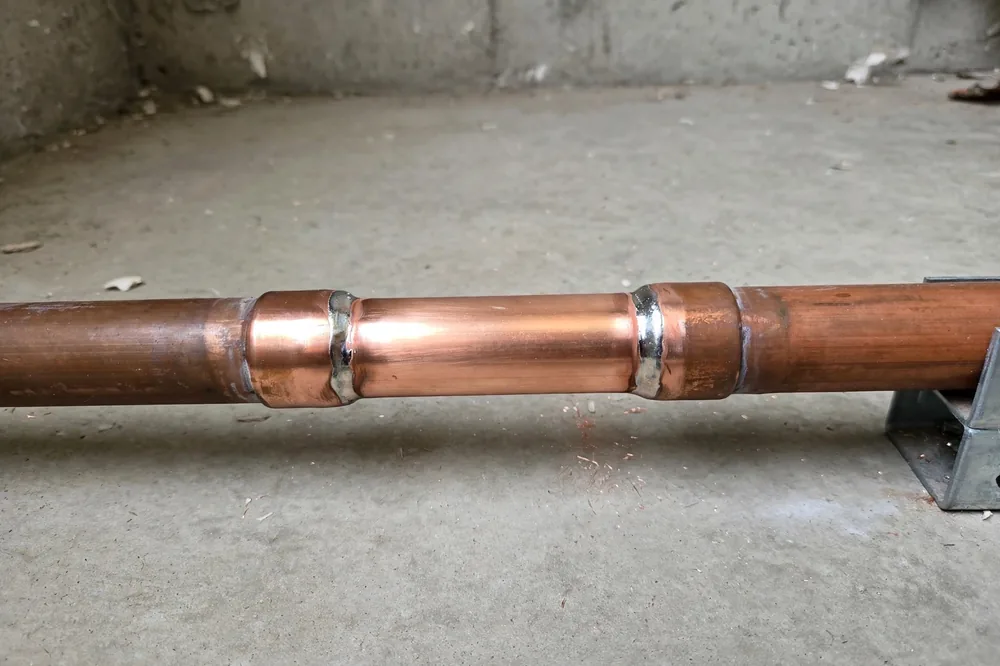 After
Every hour of standing water raises the risk of mold, warped flooring, and ruined drywall. Mold can start within 24 to 48 hours. Shut the water off right away, then get a plumber on site the same day. Drying is not optional, even when the pipe fix looks done.
What to Do in the First Five Minutes
Shut off the main water valve. Turn it until it stops. If you cannot find it, look near the water meter, in the basement, or in the garage.
Open cold taps on the lowest floor. Draining the lines drops pressure and slows the flow from the split.
Move valuables and electronics away from the water. Lift rugs and boxes, and move furniture out of the wet path when you can do it safely.
Stay clear of power near water. Do not touch electrical outlets or panels near standing water. Call from a dry spot.
Take photos. Photograph the split, the water path, and damaged items before cleanup, when it is safe to do so.
Call for a local pro. Call (888) 418-3086 so The Deston can connect you with a local plumber the same day.
Frequently Asked Questions
What should I do in the first five minutes after a pipe bursts?
Shut off the main water valve. Open cold taps on the lowest floor to drain the lines. Move valuables and electronics away from the water. Then call (888) 418-3086 so The Deston can connect you with a local plumber. Do not touch electrical outlets or panels near standing water.
Can I repair a burst pipe myself with a clamp or tape?
A repair clamp can slow a small leak long enough for the plumber to arrive. Tape alone rarely holds against full line pressure. Treat any DIY fix as a stopgap, not a solution. A proper repair needs the damaged section cut out and replaced.
Why do pipes burst in winter?
Water expands as it freezes. Ice forms a blockage, and pressure builds between the ice and the nearest closed tap. That pressure splits the pipe, often at a joint or a weak spot. Pipes in exterior walls, attics, and crawl spaces face the highest risk.
Will my insurance pay for burst pipe damage?
Most homeowners policies cover sudden and accidental water damage from a burst pipe. They may not cover the pipe repair itself if the cause was wear or neglect. Document everything with photos and keep receipts. Call your agent early to learn what your policy includes.
How fast should a burst pipe get repaired?
As fast as possible. Every hour of standing water raises the risk of mold, warped flooring, and ruined drywall. Mold can start within 24 to 48 hours. Shut the water off right away, then get a plumber on site the same day.
Can a plumber prevent future bursts?
Yes. After the repair, ask the plumber to check water pressure, since high pressure strains every joint in the house. Insulate exposed pipes. Fix water hammer with arrestors. If the pipe that burst is old and corroded, ask whether a larger repiping job makes sense.
Does a burst pipe always flood the house?
Not always. A burst in a crawl space or an unfinished basement may drain away with little interior damage. A burst inside a finished wall or above a ceiling is the one that soaks rooms. Either way, the pipe needs a proper repair before the water comes back on.
Smaller leaks that have not ruptured: what then?
Smaller leaks that have not ruptured are covered under pipe repair services. Do not wait for a small leak to become a burst, since the repair is smaller and the drying bill is far lower.
Should I shut off power too?
If water is near outlets, appliances, or the panel, stay out of the water and call for help from a dry spot. A pro can advise on the panel once the water source is off.
What if I cannot find the main shutoff?
Look near the water meter, in the basement, in the garage, or where the main line enters the house. If you still cannot find it, call and describe the layout. The plumber can talk you through likely spots on the phone.
More Burst and Freeze Help
Frozen Pipe Repair | Pipe Repair | Emergency Plumber | Whole-House Repiping | All Services
Water Is Running. Shut It Off, Then Call Now.
A burst pipe is urgent, but it is fixable. Call now and we will connect you with a local pro who can cut out the split, fit a new section, and get your water back on.
(888) 418-3086 Call NowThe Deston is a referral service that connects homeowners with independent local plumbers. We are not a plumbing company.