
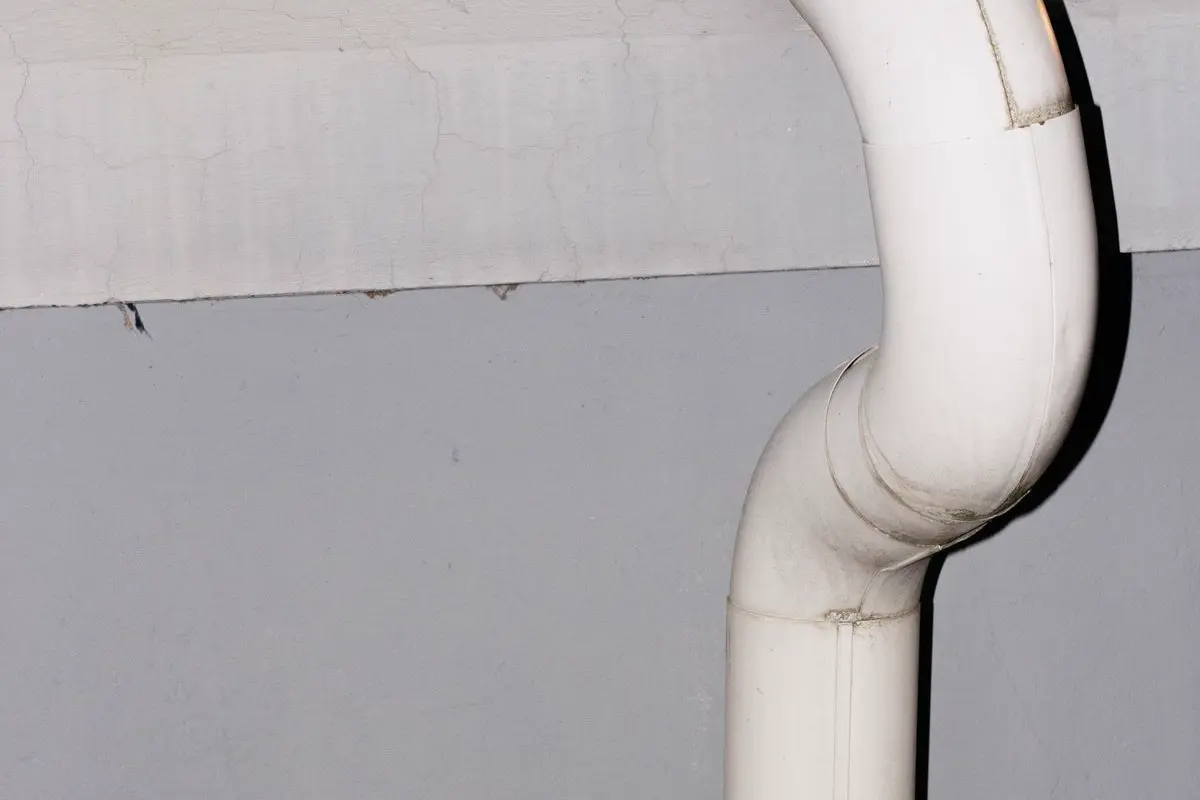
Drainage Pipe: a Complete Homeowner’s Guide
A drainage pipe moves rain, ground water, and waste water away from your home. It guards foundations, yards, and basements from pooling water. This guide explains drainage pipe types and how they work. You will learn signs of failure, care steps, and costs. Use it to keep water flowing away from your home, not toward it.
What a Drainage Pipe Does
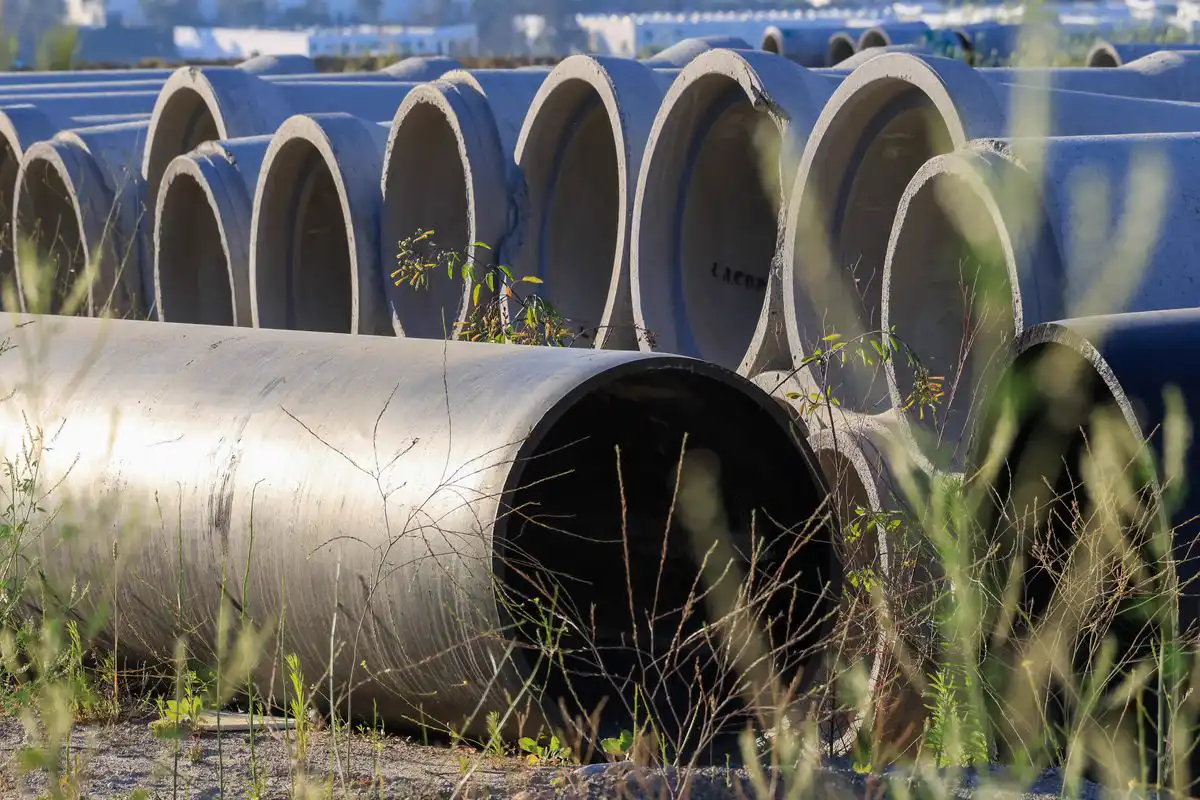
A drainage pipe gives water a clear path away from a spot. Gravity pulls water down a slight slope in the pipe. Holes in some pipes let ground water seep in. Solid pipes carry roof and surface water to outlets. Outlets may be streets, dry wells, or daylight spots. Daylight means a pipe end open to air on a slope. Water must exit far from foundations to do good.
Drainage pipes differ from indoor drain pipes in key ways. Indoor drains carry waste water from fixtures inside. Outdoor drainage pipes carry rain and ground water outside. They face soil, roots, and freeze cycles each year. They run shallow in yards, not deep in walls. Shallow runs face crush loads from cars and roots. Strong pipe types suit these outdoor loads best.
Poor drainage harms foundations, basements, and yards fast. Water pools near walls and seeps through cracks. Seepage stains basements and breeds mold with time. Soggy yards kill grass and breed pests too. A sound drainage plan moves water away fast. It guards the home structure for decades of use. Think of drainage as cheap insurance for walls.
Types of Drainage Pipes
Perforated pipes have small holes or slots along the wall. Ground water seeps in through those holes. They suit French drains and footing drains well. A French drain is a gravel trench with a pipe inside. It collects ground water and moves it away. A sock sleeve keeps soil out of the holes. Soil in holes clogs the pipe with time.
Solid pipes have no holes and carry water sealed inside. They suit downspout runs and surface drains well. Downspouts are pipes that carry roof water down walls. Solid runs move roof water far from foundations. They must end at a safe outlet, not a neighbor yard. A bad outlet can flood a neighbor and draw disputes. Plan outlets before you dig any trench.
Corrugated pipes have ridged walls that bend with ease. They suit long yard runs with curves and dips. They cost less than smooth wall pipes in most stores. Their ridges can trap silt and slow flow. Smooth wall PVC pipes flow faster and clean with ease. They cost more but suit main runs best. Pick pipe type by load, length, and soil type.
Clay and concrete pipes served old drainage jobs. They last long but crack under loads and roots. Modern plastic pipes suit most home jobs better. They resist rust, weigh less, and join with ease. A pro can map your old lines with a camera. Old lines may mix clay, concrete, and plastic parts. Mixed lines need care at each joint type.
French Drains and Yard Drainage
A French drain starts as a sloped trench in the yard. Crews line it with fabric to block soil entry. They lay perforated pipe with holes facing down. Holes down seems odd, but it works with care. Water rises into the pipe from below through gravel. Gravel around the pipe filters soil and spreads flow. They fold fabric over the gravel to seal the trench. Topsoil and grass cover the trench at the end.
French drains suit soggy yards and wet basements well. They cut ground water pressure on foundation walls. Less pressure means fewer basement seeps each year. They need a safe outlet at the low end. An outlet to daylight suits sloped yards best. Flat yards may need a dry well or a pump. A dry well is a buried pit that holds runoff. A sump pump can lift water to a safe outlet.
Surface drains catch water that pools on lawns and drives. Grate tops sit flush with the ground surface. They link to solid pipes that run to outlets. Clean grates of leaves and grit each season. A clogged grate floods the very spot it guards. Channel drains suit driveways and patios with ease. A channel drain is a long narrow grate drain. It catches sheet flow across hard surfaces well.
Downspouts and Roof Water
Roof water can dump hundreds of gallons in one storm. Gutters catch it and downspouts carry it down. Downspouts must run far from foundation walls. A short dump at the wall soaks the footing fast. Extend downspouts at least several feet from walls. Bury extensions in solid pipe for a clean look. A buried run ends at daylight or a dry well.
Clogged gutters spill water over eaves onto walls. Clean gutters twice a year, in spring and fall. Check downspout joints for leaks during each clean. A leaking joint soaks walls and trim with time. Add screens to cut leaf clogs in tree heavy yards. Screens are mesh covers that block leaves. They cut cleans but do not end them fully.
Rain barrels catch roof water for garden use with care. They suit gardeners who want free rain water. They must overflow to a safe spot, not the wall. An overflow hose should run far from foundations. Empty barrels before hard freezes to stop cracks. A cracked barrel leaks right at the wall base. Use barrels as a supplement, not the whole plan.
Signs of Drainage Failure
Pooling water after rain warns of a drainage fault. Pools near walls warn most of all. Soggy lawn spots that stay wet for days warn too. Basement dampness after storms points to ground water. Musty smells in basements warn of hidden seepage. Cracks in foundation walls can follow poor drainage. Water pressure on walls grows cracks with time.
Erosion gullies in yards show water runs with no pipe. Gullies are small channels cut by flowing water. They grow each storm if left alone. Mulch washouts near beds warn of sheet flow. Sheet flow is water that runs wide over ground. Pipes and swales can catch and guide such flow. A swale is a shallow grass ditch that guides water. Swales suit gentle slopes with ease.
Sewer smells from yard drains warn of a cross fault. A yard drain should never link to sewer lines. A bad link can push sewer gas into yards. It can also flood sewers during storms in some towns. Call a pro if yard drains smell like sewers. A camera check can trace the link with ease. Fix bad links fast to stop fines and smells.
Care and Cleaning
Flush drainage pipes with a hose each year if you can. A flush pushes silt out toward the outlet end. Watch the outlet for flow strength during flushes. Weak flow means a partial clog sits in the line. A pro can jet silt clogs with water pressure. Jetting blasts silt and roots out with care. Do not jet clay pipes with high pressure blind. A camera check first guards fragile old lines.
Keep outlets clear of leaves, mulch, and soil. An outlet buried by mulch cannot drain at all. Mark outlet spots so yard crews do not bury them. Mow and rake with care near grate tops. A crushed grate lets soil flood the pipe fast. Swap cracked grates before soil enters the line. Small outlet care stops most drainage failures.
Roots seek water in drainage pipes each year. They enter through joints and small cracks with ease. Root mats trap silt and narrow flow paths. A pro can cut small mats with cable tools. Large mats may need pipe repair or renewal. Plant trees far from drainage lines to cut risk. Fast growing trees near lines cause the most harm. Plan planting with pipe maps in hand.
Repair or Replace Lines
A single crushed section can be dug up and swapped. Spot swaps suit young lines with one fault. They cost less and finish fast in most yards. Ask the pro to check nearby joints during the dig. Joints of the same age may fail soon too. A short look now can stop a second dig. Keep a pipe map after each repair visit.
Never dump roof water right at the foundation wall. Extend downspouts several feet away from walls. This one step stops many basement seeps.
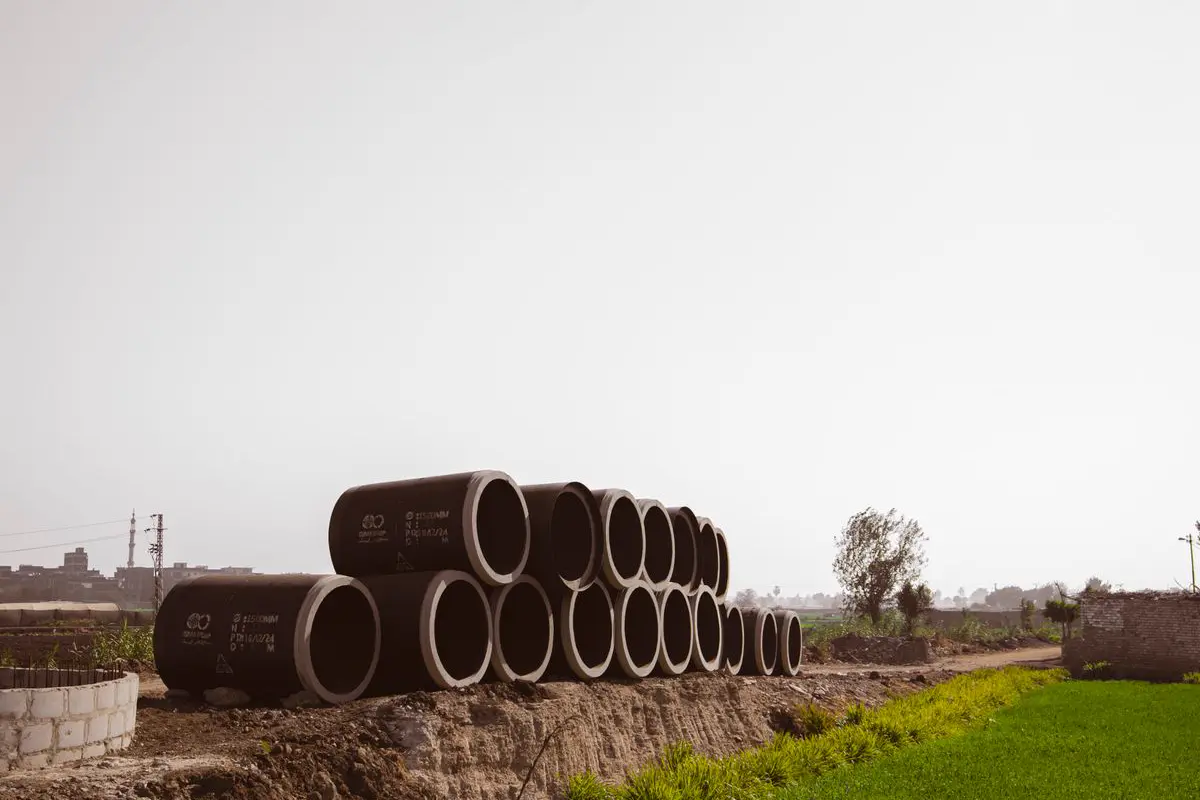
Full line renewal suits old lines with many faults. Cracked clay, root mats, and sags warn of age. Patching each fault in turn costs more over time. A new line resets the clock for decades of use. Trenchless lining suits some drainage lines with care. It lines the old pipe from inside with resin. It needs a sound host pipe to work well. Collapsed runs need open trench renewal instead.
Costs to Expect
French drain costs vary much by length and depth. Soil type, access, and outlet choice shape price too. National averages put a French drain job at $2,000 to $8,000. Long runs and pump outlets run higher than that. Downspout extensions cost far less than French drains. A simple buried extension can stay modest in price. Ask for line item prices before you approve work.
Access and digging depth drive costs more than pipe itself. Rocky soil slows digging and adds labor fast. Lines under drives cost more than lines in lawns. A pro should explain access costs in the quote. The Deston can connect you with an independent local plumber. That plumber can walk your yard and price the job. Full facts lead to fair prices for all.
Drainage for Basements and Foundations
Footing drains sit at the base of foundation walls. They catch ground water before it presses on walls. Perforated pipe in gravel forms the core of the drain. The pipe runs to daylight or a sump pit. A sump pit is a basin that collects drain water. A pump lifts pit water to a safe outlet. Pumps need power and a backup plan for storms.
Interior drain channels suit basements that seep often. Crews cut a channel in the basement floor edge. The channel links to a sump pit and pump. It catches wall seepage before it spreads. It costs less than exterior digging in most homes. It does not stop water outside the wall. It manages water that already gets inside.
Grading shapes drainage more than pipes alone. Soil should slope away from walls for feet. A slope of six inches over ten feet suits most homes. Low spots near walls pool water with each storm. Add soil to low spots and tamp it firm. Keep mulch below siding lines to stop rot. Good grading plus pipes beats pipes alone.
Window wells need drains too in basement homes. A window well is a pit outside a basement window. Rain fills wells with no drain fast. A drain at the well base links to the footing drain. Clean wells of leaves each fall season. A clogged well floods through the window fast. Covers cut leaves but must allow escape use.
What Is a French Drain?
A French drain is a gravel trench with a perforated pipe inside. It collects ground water and moves it away from the home. It needs a safe outlet at its low end.
Why Does Water Pool Near My Foundation?
Pooling near walls means roof or ground water lacks a path away. Short downspouts and failed drains cause most pools. Extend downspouts and check outlets first.
How Do I Maintain Drainage Pipes?
Flush lines yearly and keep outlets clear of debris. Clean grates each season and watch for soggy spots. Call a pro when flow weakens or pools return.
When Should I Call a Plumber?
Call a pro for basement seeps, yard pools, or sewer smells. Call too when flushes run weak or roots recur yearly. Read our plumbing blog for more yard guides. Our drain cleaning page covers pro clearing visits. The drain pipe guide covers indoor pipes in depth. For line breaks, drain repair help can fix the run. The sewer line repair page covers main line faults. Our sump pump services page covers pumps for flat yards. A plumbing inspection can map lines and weak spots. The snaking drain guide explains cable clearing visits. For urgent backups, an emergency plumber can respond fast.
The Deston is a referral service that connects homeowners with independent local plumbers. We are not a plumbing company.