
Well Pump Services
A well pump is the only way water reaches a home on a well. When it fails, the home has no water at all, not just low pressure. Well pump services cover diagnosis, switch and tank fixes, and full pump replacement, so a home without city water gets water back fast and keeps it flowing.

How a Well Pump System Works
A well pump sits in the well or near it and pushes water up to the home. A submersible pump sits deep in the well, under water, and pushes water up a drop pipe. A jet pump sits above ground, often in a basement, and pulls water up. A pressure tank stores water under air pressure, so the pump does not run for every glass of water. A pressure switch turns the pump on at a low pressure and off at a high pressure. When any part fails, pressure drops, cycling starts, or water stops.
The Deston is a referral service, not a plumbing company. We connect homeowners across all 50 states with independent local plumbers and well pump pros who service wells regularly. We do not send our own crews. We match you with a nearby pro, you get an upfront price, and the work gets done right. The referral costs you nothing. You pay the pro for the work, after you approve the price.
Many service calls end with a new $30 switch instead of a new pump. A pressure switch is a small part that wears out often, and it mimics pump failure: no water, weak pressure, or rapid cycling. A pro checks the switch, the tank air charge, and the pump separately, so you do not pay for a pump when a switch is the fault. Diagnosis first saves the largest cost on this page.
Signs Your Well Pump Needs Service
One sign alone may be minor. Several together point to a pump system fault.
No water at all
No water from any tap often means a tripped breaker, a failed switch, a failed pump, or a dry well. Check the breaker first. If power is fine, a pro checks the switch and pump next.
Weak or surging pressure
Weak pressure, or pressure that surges up and down, points to a failing pump, a waterlogged tank, or a clogged intake. A pro checks tank air charge and pump output separately.
Pump cycles on and off rapidly
Rapid cycling, called short cycling, wears the pump fast. It often means a waterlogged pressure tank, a failed switch, or a leak in the drop pipe. Fix it soon, before the pump burns out.
Pump runs constantly
A pump that never stops may have a leak in the drop pipe, a failed switch, or a well that cannot keep up. Constant running overheats the pump and raises power use.
Sputtering or air in water
Air sputtering from taps can mean a falling water level, a leak in the drop pipe above the water line, or a tank issue. A pro checks water level and pipe joints.
Sandy or cloudy well water
Sand or cloudiness after a pump service, or sand that appears suddenly, can mean a failing pump intake, a screen issue, or a well problem. A pro checks the pump and the well separately.

From Call to Flowing Water, in Six Steps
A switch or tank fix often takes one visit. A pump pull takes longer and needs a rig.
- 1
You call
Dial (888) 418-3086 and describe the fault: no water, weak pressure, cycling, or sputtering. Note well depth if you know it, and whether the pump is submersible or jet.
- 2
We refer a local well pump pro
We connect you with an independent local pro who services wells often. They bring switches, tanks, and pull gear for the pump type.
- 3
Diagnosis first
The pro checks power, the pressure switch, tank air charge, and pump output, in order, before recommending a pump pull. Many calls end with a switch, not a pump.
- 4
You approve the price first
You get upfront pricing before work starts, with the part or pump, depth work, and labor listed. You approve the price. No work starts without your say so.
- 5
Repair or pull and replace
The pro swaps the switch or tank, or pulls the pump, replaces it, and resets it at the right depth, then tests pressure and flow.
- 6
Pressure and water quality check
The pro sets switch cut-in and cut-out pressures, checks tank charge, and tests water flow and clarity at several taps before leaving.
Switch, Tank, or Pump: Which Fix Fits
A pressure switch is the cheapest fix and the most common. Pressure switch replacement costs $200 to $400 installed. A switch that sticks, burns, or loses contact mimics pump failure, so a pro tests it first. A service call with diagnosis typically runs $150 to $300, and it often ends with a switch, not a pump. Do not approve a pump replacement before the switch and tank are tested.
A pressure tank fix suits short cycling and surging pressure. Pressure tank replacement runs $600 to $1,200. A waterlogged tank, one with lost air charge, makes the pump cycle every time a tap opens, which wears the pump fast. A pro checks tank air charge with a gauge and replaces the tank when the bladder fails. A tank swap is cheaper than a pump burned out by cycling.
A full pump replacement suits a burned motor, a failed pump, or a pump that cannot build pressure. Full submersible pump replacement, including pulling and resetting, usually costs $1,500 to $3,500 depending on well depth. Deeper wells cost more, because pulling and resetting take longer and need more pipe. A pro shows you pump test results before recommending a pull.
Well Pump Services Available
One referral can cover diagnosis, a switch, a tank, or a full pump.
Diagnosis and switch service
Power, switch, and tank checks, plus switch replacement when needed. A service call with diagnosis typically runs $150 to $300. Switch replacement costs $200 to $400 installed.
Pressure tank service
Tank air charge checks, bladder tests, and tank replacement. Pressure tank replacement runs $600 to $1,200. It stops short cycling and protects the pump.
Pump pull and replacement
Full submersible pump replacement, including pulling the old pump, setting the new pump at the right depth, and testing pressure and flow. Usually $1,500 to $3,500 by depth.
Submersible vs. Jet Well Pump
Both lift well water. They differ in depth, noise, and service access.
| Factor | Submersible | Jet |
|---|---|---|
| Where it sits | Deep in the well, under water | Above ground, often basement |
| Depth suited | Deep wells, most modern wells | Shallow wells, some deep with two pipes |
| Noise | Quieter, pump under water | Louder, pump in the home |
| Service access | Needs pull rig to reach | Easy to reach, no pull |
| Best when | Deep well, quiet wanted | Shallow well, easy service wanted |
Before and After: From Trickle to Strong Flow
The photos below are illustrations of the difference this work makes. They are not photos of a real job.
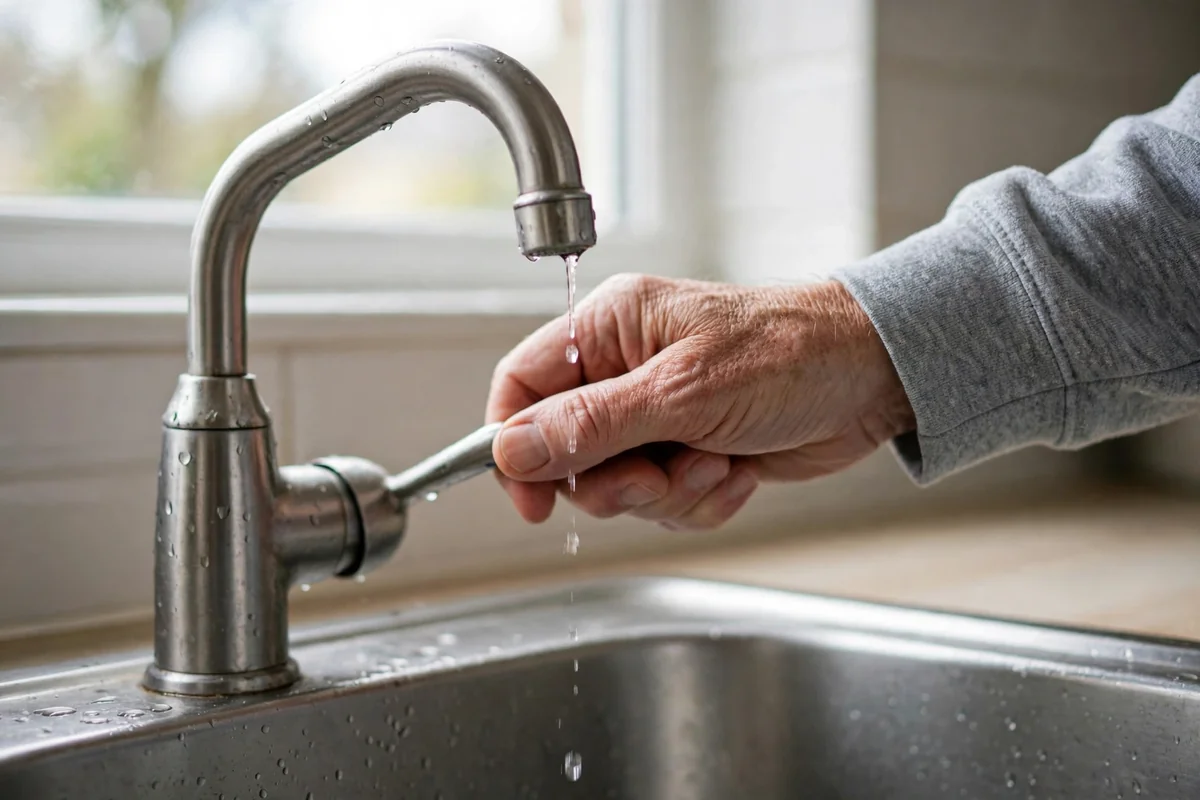 Before
 After
What Well Pump Services Cost
Typical United States ranges, shown as national averages for planning only. Your matched plumber gives you the price for your home before work starts.
| Job | Typical range |
|---|---|
| Service call with diagnosis | $150 to $300 |
| Pressure switch replacement, installed | $200 to $400 |
| Pressure tank replacement | $600 to $1,200 |
| Full submersible pump replacement, by depth | $1,500 to $3,500 |
| Drop pipe section replacement | $300 to $800 |
| Well water test, full panel | $100 to $300 |
Preparing for the Service Visit
A little prep helps the pro diagnose fast and pull on schedule.
Clear the wellhead area. Move cars, planters, and stored items from the wellhead so the pro can reach it and set pull gear if needed.
Note well depth and pump type. Submersible or jet, well depth, and age, if known. The pro confirms on site, but a head start helps parts ordering.
Check power first. Check the breaker for the pump circuit. A tripped breaker is a free fix, and telling the pro saves a diagnostic step.
Note symptoms clearly. No water, weak pressure, cycling, sputtering, or sand, and when each started. Symptoms guide diagnosis order.
Plan a water outage. Water will be off during a pump pull or tank swap, often most of a day. Plan drinking water and laundry around the visit.
Keep pets away. Keep pets away from the wellhead and work area. Open wells, pull gear, and tools make the area unsafe for wandering pets.
Frequently Asked Questions
Why do I have no water at all?
Check the breaker first. If power is fine, a failed pressure switch, a failed pump, or a dry well are the usual causes. A pro checks power, switch, and tank before pulling the pump. Many no water calls end with a $30 switch, not a new pump.
How much does a well pump replacement cost?
Full submersible pump replacement, including pulling and resetting, usually costs $1,500 to $3,500 depending on well depth. Deeper wells cost more. A pro shows pump test results before recommending a pull, so you do not pay for a pump when a switch is the fault.
What is a pressure switch, and why does it fail?
A pressure switch turns the pump on at low pressure and off at high pressure. It wears from cycling, burns contacts, and sticks. Pressure switch replacement costs $200 to $400 installed. A switch fault mimics pump failure, so test it first.
Why does my pump cycle on and off rapidly?
Short cycling often means a waterlogged pressure tank, a failed switch, or a leak in the drop pipe. It wears the pump fast. A pro checks tank air charge and switch first, then pipe joints. Fix cycling soon, before it burns the pump.
How much does a service call cost?
A service call with diagnosis typically runs $150 to $300. It covers power, switch, tank, and pump checks, and often ends with a switch or a tank fix, not a pump. Diagnosis first saves the largest cost on this page.
How long does a well pump last?
Pumps last years with a sound tank and switch, and fewer years when they short cycle or run dry. A waterlogged tank is the top pump killer. Check tank air charge yearly, fix cycling fast, and replace a pump that fails output tests rather than waiting for a no water day.
Submersible or jet: which is better?
Submersible suits deep wells and quiet operation, but needs a pull rig for service. Jet suits shallow wells and easy service access, but is louder. Most modern wells use submersible. Ask the pro which type suits your well depth.
Why is my well water sandy?
Sand can mean a failing pump intake, a screen issue, or a well problem. A pro checks the pump and the well separately. Do not keep running a sandy pump, sand wears the pump and clogs fixtures. A filter can help, but it does not fix the source.
Can I replace a well pump myself?
A pump pull needs a rig, pipe handling, and electrical work, plus well safety rules. A dropped pump or a poor joint can damage the well. A pro pull also tests pressure and water quality after. For most homes, a pro pull is the right call.
Does The Deston charge homeowners for referrals?
No. Our matching service is free to you. You only pay the local pro for the work done at your home. You approve the pro price before work starts. The Deston is a referral service that connects homeowners with independent local plumbers. We are not a plumbing company.
What should I do if my well runs dry?
Stop using water, check the breaker and switch, and call a pro. Running a pump dry burns it fast. A pro checks water level and pump condition. A dry well may need a deeper pump setting, a lower yield plan, or a well assessment, not just a new pump.
More Help for Your Home
Water Filtration Systems|Water Line Repair|Leak Detection|Residential Plumbing|All Services
Water Back, Pressure Steady, Pump Protected.
Call now and we will refer you to a local well pump pro. Get a diagnosis first, an upfront price, and water that flows like it should.
(888) 418-3086Call NowThe Deston is a referral service that connects homeowners with independent local plumbers. We are not a plumbing company.