Commercial Plumbing Services: Signs, Costs, and What to Expect
Commercial plumbing services keep shops, offices, schools, and restaurants running. These sites use water far more than a home does. A failed pipe can shut down work and drive guests away. This guide explains what commercial plumbing covers and what it costs. You will learn the warning signs, the service steps, and how to pick help. Use it to plan care for any work site with care.
What Commercial Plumbing Covers
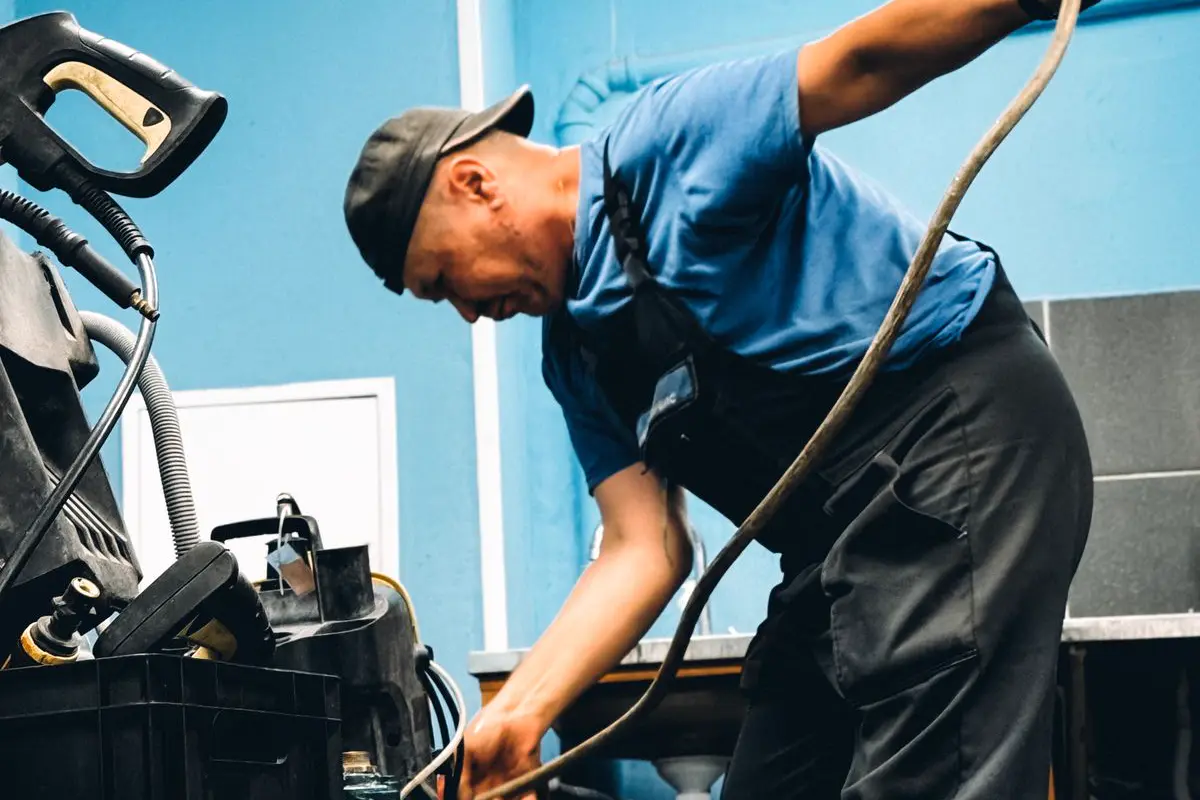
Commercial plumbing covers water, drain, gas, and fixture work in work sites. It serves offices, stores, clinics, hotels, and plants. Pipe runs are longer and loads are much higher than homes. Restrooms may serve dozens of guests each hour. Kitchens may run dish machines all day long. Systems must hold up under that steady heavy use.
Common jobs include restroom fit outs, pipe repairs, and drain cleaning. Backflow work guards drinking water from dirty backflow. Backflow is water that flows back into clean supply lines. Grease trap work serves food sites that fry and wash daily. A grease trap catches fats before they reach the sewer. Water heater work serves sites with high hot water needs. Each job needs parts rated for commercial loads.
Commercial sites also face rules that homes do not face. Health codes, fire codes, and access rules shape each job. Restrooms must meet access rules for guests with needs. Backflow units need tests on a set schedule in most towns. A pro who knows these rules saves fines and rework. Ask any pro about local code needs before work starts. Good code care keeps a site open and safe.
How Commercial Systems Differ From Homes
Home pipes serve a few people with light daily loads. Commercial pipes serve crowds with peaks at lunch and shift change. Pipe sizes run larger to feed that peak demand. Water heaters may link in banks for steady hot flow. Drains must clear high waste loads with no backups. A small fault can hit many users at once.
Materials also differ in many commercial jobs. Cast iron, copper, and steel suit heavy use well. Plastic lines suit some drains and vents with care. Joints and hangers must hold more weight and pressure. Access panels and shutoff zones help crews fix faults fast. A site with clear zones loses less time in a fault. Design for access pays off on each repair visit.
Use patterns shape wear in commercial sites too. Restroom valves cycle thousands of times each month. Kitchen drains face grease, heat, and food waste daily. Laundry sites face lint and hot water loads nonstop. Parts wear faster under such use than in homes. A care plan must match that faster wear pace. Wait for failure and the site pays in downtime.
Warning Signs to Watch For
Slow drains in more than one fixture warn of a line fault. A single slow sink may be a local clog. Many slow fixtures point to a shared drain line fault. Gurgling sounds and sewer smells add weight to that sign. Do not wait for a full backup to act. A backup in a work site can close rooms fast.
Water stains on ceilings or walls warn of a hidden leak. Musty smells near restrooms or kitchens warn too. A sudden rise in the water bill can warn as well. Meter checks can spot leaks that eyes cannot see. Read the meter at night and again at dawn. Use at night should be near zero in most sites. A jump means water flows where it should not.
Low pressure, rusty water, and hot water swings warn of wear. Rusty water may mean old steel pipes corrode inside. Hot swings may mean a heater or mixing valve fault. A mixing valve blends hot and cold to a safe temp. Faults there can scald guests or leave cold showers. Log each sign with date, spot, and fixture name. Logs help a pro trace the fault much faster.
Restrooms and Fixtures at Scale
Commercial restrooms need tough fixtures that flush well each time. Flush valves beat tank toilets for high use sites. They refill fast and use less water per flush. Sensor taps cut touch and trim water waste too. Partitions, grab bars, and access stalls need firm mounts. Loose mounts fail fast under daily crowd use. Pick parts rated for the traffic your site sees.
Restroom care should run on a set daily and weekly plan. Daily checks catch leaks, clogs, and low supplies fast. Weekly checks can test flush valves and tap sensors. Monthly checks can look at traps, seals, and grout lines. A trap is a bend that holds water to block sewer gas. Dry traps let smells into rooms, so keep them wet. Floor drains in restrooms need water pours on a plan.
Access rules shape restroom layout and fixture heights. Stalls, sinks, and taps must suit guests with varied needs. Lever handles beat knobs for guests with weak grip. Clear floor space lets wheelchairs turn with ease. A pro who knows access rules can audit your rooms. Fix gaps during planned work, not after a complaint. Access care is both a duty and good service.
Drains, Grease, and Backflow
Drains in food sites face grease that hardens in cool pipes. Grease coats pipe walls and narrows the flow path. Full blockages can flood kitchens at peak hours. Grease traps need pumps on a set schedule. Pump gaps depend on trap size and kitchen load. A missed pump can push grease into the sewer line. Fines can follow when grease leaves the site.
Backflow units guard clean water from dirty sources. They sit on lines that feed boilers, kitchens, and yards. Tests each year prove the unit still works right. A failed test means repair or swap right away. Keep test papers on file for code checks. A lapse can draw a fine or a shutoff order. Treat backflow tests as fixed dates, not soft goals.
Floor drains, mop sinks, and trench drains need care too. They catch spills and wash water across work floors. Dry traps and clogged grates cause smells and floods. Pour water in floor drains each week to seal traps. Clean grates of lint, food, and grit on a plan. A drain cleaning visit can clear lines before peaks hit. Our grease trap cleaning page explains pump schedules in more depth.
Water Heaters and Supply Lines
Hot water demand in commercial sites runs high and sharp. Hotels peak at dawn, restaurants peak at meal times. Tank banks or tankless racks must meet those peaks. A tankless unit heats water on demand with no tank. Racks link units to share loads and back each other up. Scale buildup cuts heat flow and raises fuel use fast. Flush and descale heaters on the maker plan.
Supply lines need pressure control for safe use. High pressure bursts joints and wears valves fast. Low pressure starves top floors and far fixtures. A pressure valve trims street pressure to safe levels. Test pressure at far points, not just near the entry. Log readings so drift shows up over time. A pro can size pumps and valves for your site load.
Leaks in supply lines waste water and harm stock fast. A burst line over a shop can ruin goods in hours. Shutoff zones let staff stop one area, not the whole site. Label each valve with the area it serves. Train staff on valve spots during onboarding. Drills beat panic when a real leak hits. Post a simple shutoff map near the main entry.

Planned Care and Service Contracts
A care plan beats fix on failure for most work sites. Plans set checks for drains, heaters, valves, and traps. They catch wear before it shuts rooms down. A plan also spreads costs across the year with ease. Emergency calls cost more than planned visits in most cases. Downtime costs dwarf both, so prevention pays twice. Ask for a written plan with dates and tasks.
Service contracts vary in scope and price a lot. Some cover checks only, with repairs billed apart. Some cover parts and labor up to set caps. Read what counts as an emergency in each deal. Check response times for nights and weekends too. A slow response can cost more than the contract saves. Match the deal to your peak hours and risk spots.
Keep full records for each visit and repair made. Records show code tests, parts, and costs in one place. They help new staff learn the site systems fast. They also prove care if an insurer or code officer asks. Store papers and photos in one shared folder. Note the plumber name, date, and work done each time. Good records turn chaos into a clear site story.
Costs and How to Budget
Commercial costs run higher than home costs for most jobs. Larger pipes, rated parts, and code steps add labor. Night work and weekend work add fees in most deals. National averages put a commercial drain clearing visit at $250 to $600. Larger line work and heater swaps can run far higher. Ask for line item prices before you approve work.
Budget by risk, not just by past spend each year. Old pipes, high traffic, and food loads raise risk fast. Set a reserve for urgent leaks and backups too. A reserve stops a crisis from breaking the whole budget. Review spend each quarter and shift funds as faults show. Sites that track costs spot bad trends much sooner. A pro can help rank jobs by risk and code need.
Label every shutoff valve with the area it serves. Train new staff on valve spots at once. Fast shutoffs cut water harm more than any tool.
Picking a Commercial Plumber
Pick a pro with real commercial work in your site type. A hotel job differs much from a food plant job. Ask for past sites like yours and what they fixed. Check that they know local codes and test rules. Ask how they staff nights and weekend calls. A one person shop may strain under a big site load. Depth of crew matters when faults hit at peak times.
Ask for clear terms on price, scope, and response time. Get the visit scope in writing before work starts. Ask who pays if a fix fails within weeks. Ask how they log work and share records with you. Clear terms stop disputes when faults recur. A good pro welcomes these questions with plain answers. Vague answers are a sign to keep looking.
The Deston can connect you with an independent local plumber. That plumber can walk your site and price a care plan. Walk throughs beat phone quotes for big sites. A walk shows pipe runs, access gaps, and risk spots. Bring your logs, bills, and past repair notes along. Full facts lead to fair prices and fewer surprises.
What Counts as a Commercial Plumbing Emergency?
A burst pipe, a sewer backup, or a gas smell counts at once. No hot water in a hotel or clinic counts too. Shut off water or gas if it is safe to do so. Then call for help right away, day or night.
How Often Should Grease Traps Be Pumped?
Pump gaps depend on trap size and kitchen load. Many food sites pump each month or each quarter. A pro can set the gap from your trap and meal counts.
Do Commercial Sites Need Backflow Tests?
Most towns require backflow tests each year. The test proves the unit still guards clean water. Keep the test papers on file for code checks.
How Do I Cut Commercial Plumbing Costs?
Use a care plan, fix small faults fast, and train staff well. Logs and valve maps cut downtime on each fault. Read our plumbing blog for more site care guides. Our commercial plumbing page lists services for work sites. For urgent faults, an emergency plumber can respond fast. The plumbing maintenance page covers care plans in depth. The backflow prevention page explains tests and units. For leak hunts, leak detection help can trace hidden faults. The 24 hour guide covers round the clock help. The emergency plumbers guide adds triage steps for urgent faults.
The Deston is a referral service that connects homeowners with independent local plumbers. We are not a plumbing company.