
Residential Plumbing Services
Your home plumbing touches everything your family does. Morning showers, cooking, laundry, and the toilets everyone shares. When it works, you never think about it. When it does not, daily life stalls. We connect you with an independent local plumber who keeps home systems running right.
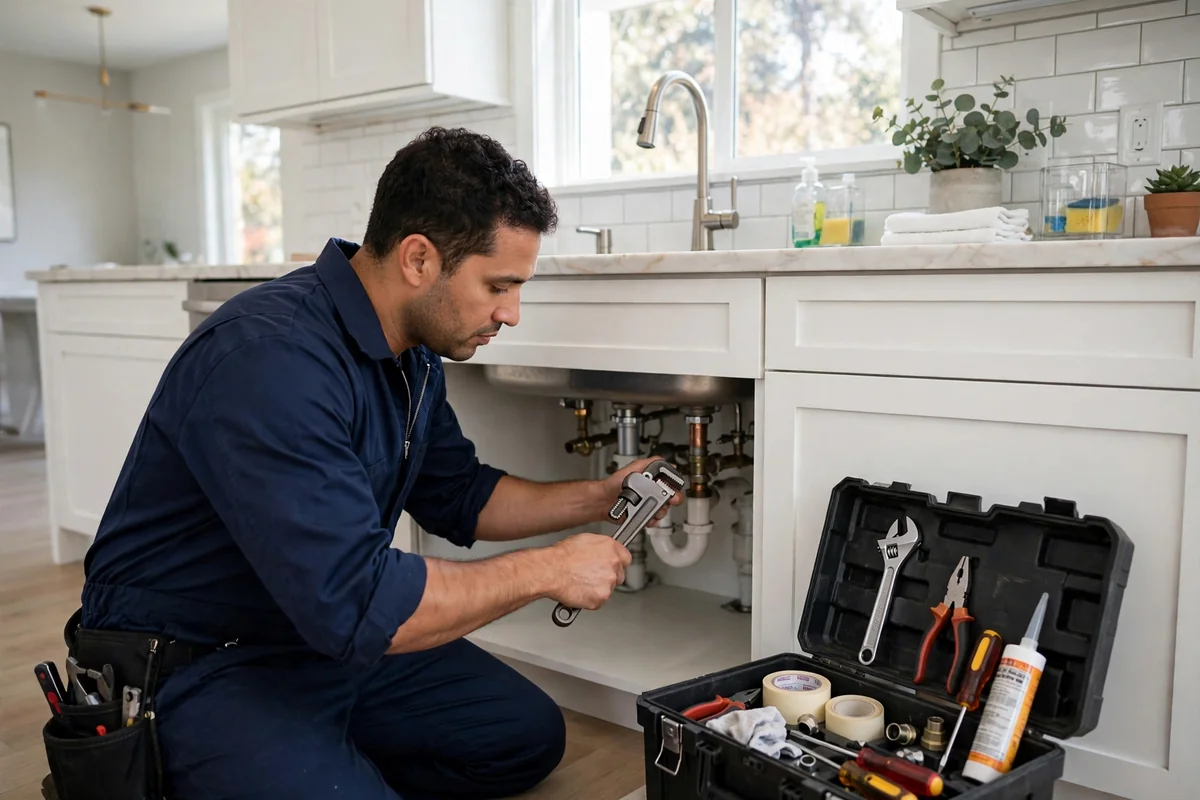
One Call for the Whole Home System
Home plumbing is one connected system, not a set of separate fixtures. Supply lines bring clean water in. Drain lines carry waste water out. Vents keep drains flowing and keep sewer gas out of the rooms you live in. A fault in one part can show up somewhere else. A slow kitchen drain and a gurgling bathroom sink may share one blocked branch line. A good home plumber traces the cause instead of treating only the symptom you noticed first.
Kitchens take grease and food waste. Bathrooms take hair and hard water scale. Laundry rooms take lint and heavy wash cycles. Each room wears its fixtures in a different way. A plumber who works in homes every day knows these patterns. That knowledge matters when a repair has to last. A quick patch on a corroded valve will fail again soon. A proper repair fixes the valve, the seal, and the wear around it.
The Deston is a referral service, not a plumbing company. We have no home crews of our own. We listen to what is happening in your home and match you with a local plumber who fixes home plumbing every day. The referral costs you nothing. You pay the plumber for the work, after you approve the price. That simple setup keeps the focus where it belongs: on a fix that holds.
Signs Your Home Needs a Plumber
Homes give warnings before big failures. Act on these early and most jobs stay small.
The kitchen sink drains slowly or smells bad
Grease and food buildup are the usual causes. Grease coats the inside of pipes and traps food. A sink that drains slowly today can back up fully next week. A plumber clears the line and can show you how to keep it clear.
A bathroom faucet drips or shower pressure faded
Worn cartridges and mineral scale are common in home fixtures. A drip that looks small can waste a large amount of water over a month. Low pressure in one shower often points to a clogged head or a failing valve, not to a problem with the whole house.
A toilet wobbles or leaks at the base
Base leaks rot the floor underneath, and the damage hides under the toilet where you cannot see it. A wobble often means a worn wax ring or loose bolts. Fix it early. A rotted subfloor turns a small job into a floor repair.
Washing machine hoses look bulged or cracked
Burst hoses flood laundry rooms fast, and they often burst while no one is home. Rubber hoses weaken with age. If your hoses are over five years old, replace them. Braided stainless steel hoses last longer and cost little more.
Hot water runs out faster than it used to
Sediment in the tank or a failing heating element cuts capacity. A tank that used to cover two showers may now cover one. Flushing sediment helps in many cases. If the tank is past ten years old, start planning for a replacement instead of another repair.
You hear pipes knocking when appliances fill
That knocking, called water hammer, stresses joints over time. It often points to high water pressure or a failed arrestor. A plumber tests the pressure and finds the source. Left alone, water hammer can loosen joints and cause leaks inside walls.
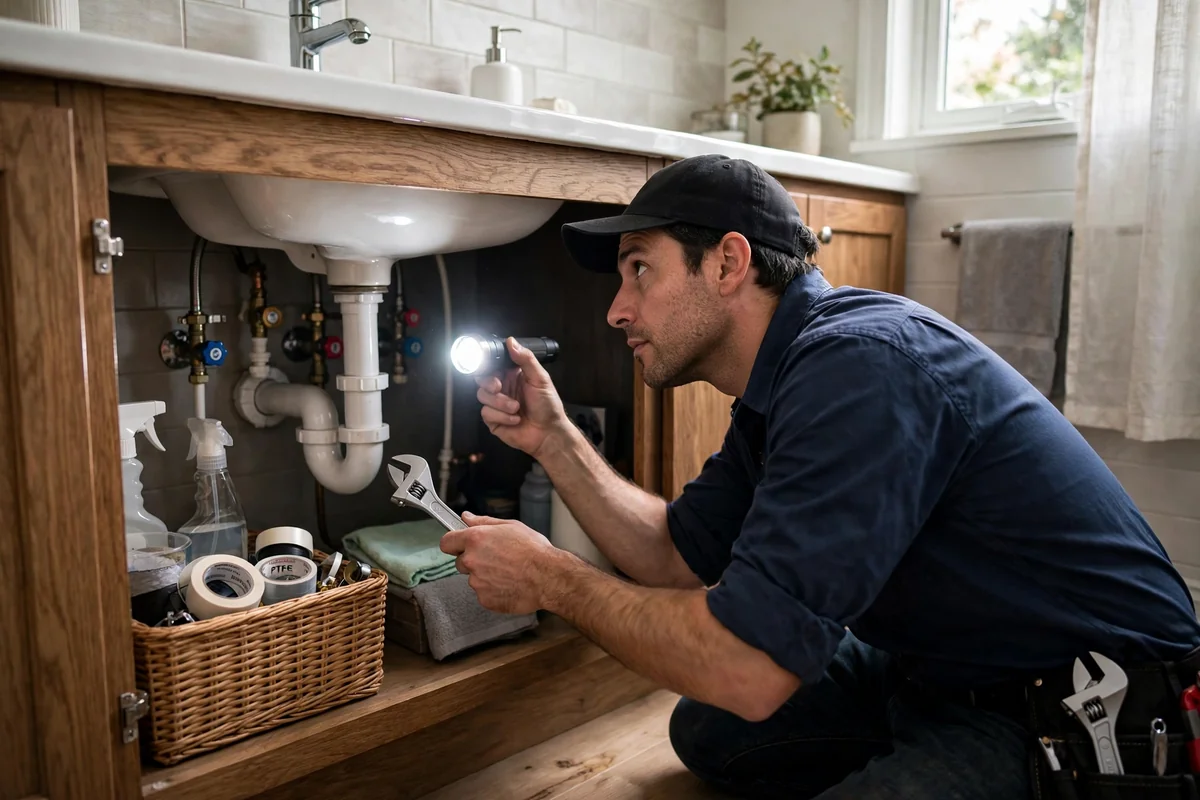
From Call to Fixed, in Five Steps
The process is simple, and you stay in control of the price at every step.
- 1
You call
Dial (888) 418-3086 and describe the problem in your home. Tell us the room, the fixture, and when the problem started. The more detail you give, the better the match.
- 2
We refer a local home plumber
We connect you with an independent local plumber who serves homes in your area and handles this kind of work often. The plumber contacts you to set a visit time.
- 3
The plumber finds the cause
The plumber visits, inspects the fixture and the lines around it, and finds the cause. You get a clear explanation in plain words, not trade jargon.
- 4
You approve the price first
You get upfront pricing before work starts, with parts and labor listed. You approve the price. No work starts without your say so.
- 5
The work is done and tested
The pro does the work, tests every fixture touched, and cleans up the work area. You pay the plumber directly for the work done.
- 6
Ask about bundling
If your home needs several fixes, ask for a bundled price. Adding a new shutoff valve or fixing a slow sink during the same visit often costs less than booking a second visit later.
Older Homes, Newer Homes, Different Problems
Homes built before the 1980s may still have galvanized steel supply lines that corrode from the inside. That corrosion shrinks water flow year by year, so pressure fades slowly and you may not notice until a fixture barely runs. Cast iron drain lines from the same era crack with age and attract roots at the joints. Tell your plumber the age of your home when you call. It changes what they check first, and it can save a return visit.
Newer homes mostly deal with fixture wear, hard water scale, and the occasional poor install from the original builder. A builder grade faucet may fail early. A poorly seated toilet ring may leak from day one. Hard water leaves scale in shower heads, faucet aerators, and water heater tanks. A plumber can spot these patterns fast and fix them at the source. In both old and new homes, the cheapest repair is the one done right the first time.
Water quality shapes home plumbing too. Hard water shortens the life of fixtures and heaters. A filtration or softening system can help water taste better and help fixtures last longer. If your home has hard water stains on glass and fixtures, ask the matched plumber about testing your water. The test is simple and it guides whether treatment is worth it for your home.
What Home Plumbing Covers
One referral can cover nearly every water problem in a house.
Kitchen plumbing
Sink and faucet repair, disposal replacement, dishwasher hookups, ice maker lines, and gas line connections for ranges. Kitchen work often pairs well with a drain cleaning when grease has built up over years.
Bathroom plumbing
Toilet repair and replacement, shower and tub valves, faucet installs, and caulk and seal failures that let water get behind tile. A failed seal behind tile can rot a wall quietly, so a soft wall or a musty smell near a tub deserves a look.
Laundry and whole home work
Washer hookups, drain standpipes, and utility sink installs, plus whole home services such as repiping older houses, water heater replacement, pressure regulator installs, and water filtration or softening. Whole home work starts with an inspection of the full system, not just one fixture.
Repair Now or Plan a Replacement
Not every worn fixture needs a new one. This guide helps you judge which path fits.
| Factor | Repair it | Replace it |
|---|---|---|
| Fixture age | Under 8 years, parts still made | Over 15 years, parts hard to find |
| Failure pattern | First failure, one part worn | Third failure in a year |
| Damage around it | Dry floor and wall, no rot | Rot, stains, or soft flooring |
| Cost picture | One part plus labor | New fixture plus install, fewer return visits |
| Best when | The rest of the unit is sound | Wear is spread across the whole unit |
Before and After: A Tired Bathroom, Renewed
The photos below are illustrations of the difference this work makes. They are not photos of a real job.
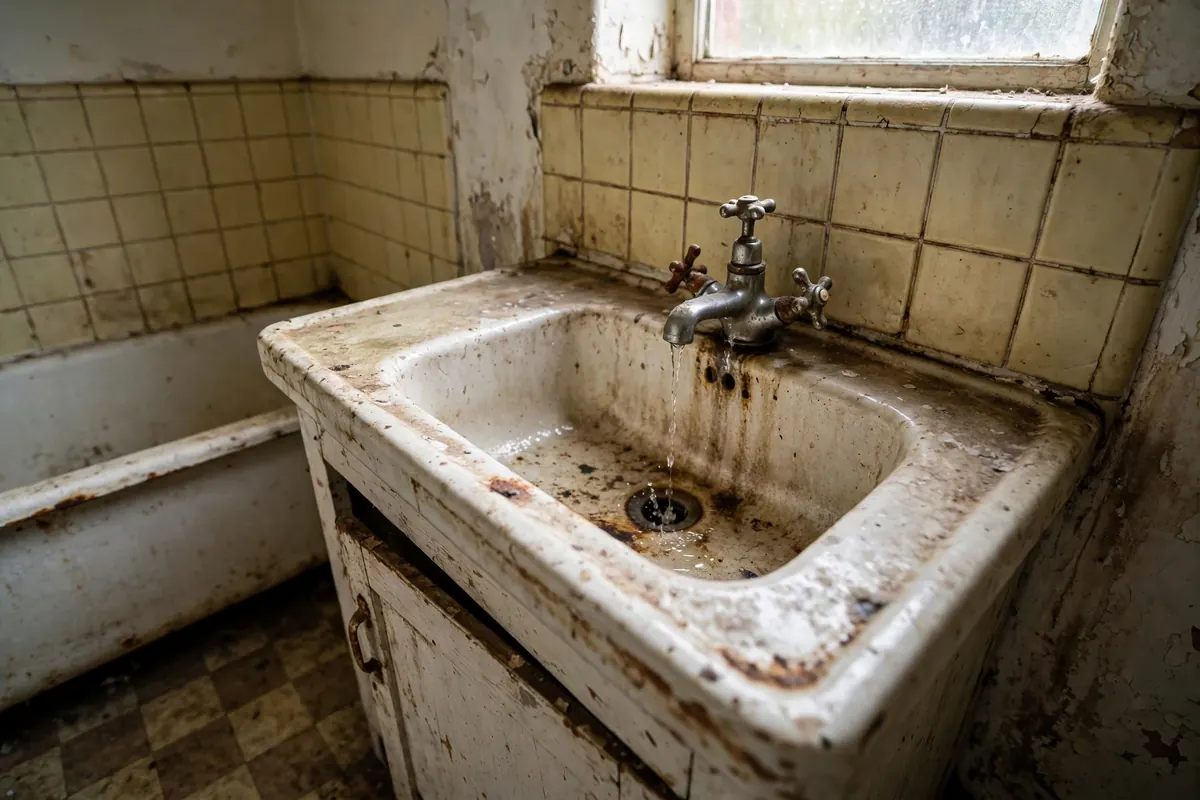 Before
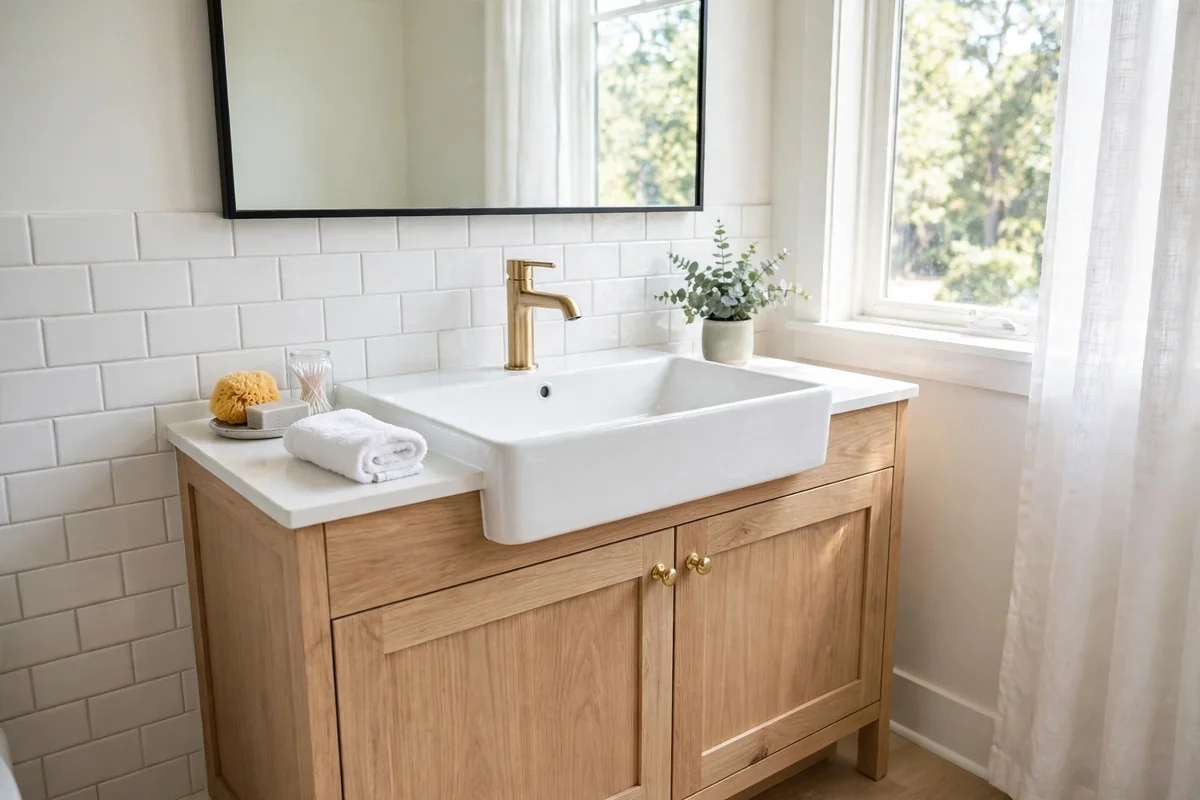 After
What Home Plumbing Costs
Typical United States ranges, shown as national averages for planning only. Your matched plumber gives you the price for your home before work starts.
| Job | Typical range |
|---|---|
| Service visit | $75 to $200 |
| Toilet replacement, including fixture | $250 to $600 |
| Garbage disposal replacement | $200 to $450 |
| Standard tank water heater replacement | $1,000 to $3,000 |
| Whole home repipe | $4,000 to $15,000 |
| Leak repair, typical accessible pipe | $150 to $350 |
Preparing for the Visit
A little prep before the visit saves time and money.
Clear the work areas. Clear the space under sinks and around the water heater so the plumber can work right away. Move stored items, cleaning supplies, and laundry out of the way.
Find your main shutoff. Know where your main shutoff valve is and test that it turns. If it is stuck, tell the plumber on arrival. A working shutoff makes emergency work far faster.
Write down what you noticed. Note when the problem started and what makes it worse. Note which fixtures are affected. Patterns help the plumber find the cause faster.
Note your home age and pipe type. If you know your home age or pipe material, share it. Galvanized steel, copper, and plastic lines each fail in different ways.
Plan for water off time. Some repairs need the water off for an hour or more. Fill a few jugs and hold off on laundry until the work is done and tested.
Keep pets and kids clear. Tools, open cabinets, and drain parts make the work area unsafe for wandering. A closed room works well for the length of the visit.
Frequently Asked Questions
How do I pick a good plumber for my home?
Look for proper licensing, clear upfront pricing, and a warranty on labor. Read recent reviews from other homeowners. Our referrals target local pros with residential experience so you skip the guesswork. Ask the plumber to explain the cause in plain words before work starts. A pro who cannot explain it plainly may not have found it yet.
Why does my kitchen sink keep clogging?
Grease is the top cause. It coats the inside of pipes and traps food. Never pour cooking grease down the drain. Wipe pans with a paper towel first and toss it in the trash. If clogs keep returning, the line may need professional cleaning. A camera look can show whether grease, a sag, or a damaged section is the real cause.
How long should a water heater last in a home?
Eight to twelve years for a standard tank, longer with regular flushing and anode rod replacement. If yours is past ten years and acting up, start planning for replacement instead of repairs. A tank that leaks cannot be repaired safely and should be replaced at once. Check the age on the rating plate on the tank.
Should I replace old washing machine hoses?
Yes, every five years. Rubber hoses weaken and burst, and a burst hose can release hundreds of gallons while you are away. Braided stainless steel hoses last longer and are worth the small upgrade. Turn the washer valves off when you leave for a long trip, even with new hoses.
What causes low water pressure in just one bathroom?
Usually a clogged aerator, a failing shutoff valve, or scale in that fixture supply line. Clean the aerator first, it takes minutes. If pressure is low everywhere, the cause is likely the pressure regulator or the main supply. A plumber can test pressure at several points and tell you which one it is.
Is it safe to use chemical drain cleaners?
Occasional light use is usually fine, but frequent use damages pipes and rarely fixes real blockages. For recurring clogs, a plumber snake or hydro jet clears the line without harming it. Never mix drain cleaners, and never use them in a toilet. Tell your plumber if you already used one, so they can work safely.
Does The Deston charge homeowners for referrals?
No. Our matching service is free to you. You only pay the local plumber for the work done in your home. You approve the plumber price before work starts. The Deston is a referral service that connects homeowners with independent local plumbers. We are not a plumbing company.
When should I call for a leak instead of waiting?
Call at once if you see water where it should not be, a ceiling stain that grows, or a water bill that jumps with no change in use. Small leaks inside walls cause mold and rot over time. A plumber can test and find a hidden leak before it ruins a floor or a wall. Waiting rarely makes a leak cheaper.
Can I bundle several small jobs into one visit?
Yes, and it often saves money. If the plumber is already replacing a toilet, adding a new shutoff valve or fixing a slow sink in the same visit saves a second trip fee. List every small job before the visit so the plumber can bring the right parts and price the bundle.
What should I do before the plumber arrives?
Clear the work areas, find your main shutoff, and write down what you noticed, including when the problem started and what makes it worse. These small steps can shave real time off a service call. Keep your phone nearby in case the plumber needs to confirm a part choice or a price.
Do I need a plumber for a running toilet?
A running toilet wastes a large amount of water and often has a simple cause, such as a worn flapper or a bad fill valve. Both parts are cheap. If the toilet also rocks or leaks at the base, call a plumber. Base leaks can rot the floor and need a proper seal, not just a new part.
More Help for Your Home
Plumbing Maintenance|Plumbing Inspection|Drain Cleaning|Leak Detection|All Services
Keep Your Home Running the Way Your Family Needs It.
Call now and we will refer you to a local home plumbing pro. Describe the problem, approve the price, and get the fix done right.
(888) 418-3086Call NowThe Deston is a referral service that connects homeowners with independent local plumbers. We are not a plumbing company.