
Old Pipes Failing? Repipe the Whole House Once
Some plumbing problems are not worth fixing one leak at a time. When galvanized steel pipes corrode from the inside out or polybutylene lines reach the end of their life, patch repairs become a treadmill. Whole-house repiping replaces every water line in the home in one project, ending the cycle of leaks for decades.

Patching Old Pipes Is Renting Time
The Deston connects you with independent local plumbers who do full repipes across all 50 states. If you are tired of repeat leaks, call (888) 418-3086 and get a local pro to assess your pipes.
Add up what you have spent on leak repairs in the last two years. A repipe often costs less than three more years of patches plus water damage. Each patch fixes one spot and moves the next failure down the line.
Signs Your House Needs Repiping
Rusty or discolored water
Rusty or discolored water is the signature symptom of corroding galvanized pipes. If the water runs brown when you first turn on the tap and clears after a few seconds, rust is flaking off the inside of your lines. It only gets worse.
Low water pressure throughout the house
Low water pressure throughout the house points to buildup inside the pipes. Galvanized lines narrow over the years as corrosion and mineral scale coat the interior. When every fixture runs weak and the pressure was fine years ago, the pipes themselves are the problem, not the fixtures.
Repeat leaks
Repeat leaks are the clearest financial signal. One leak is a repair. A second leak within a year is a warning. A third means the system is failing and each patch just moves the next failure down the line.
Galvanized steel pipes
Homes built before the 1960s often have galvanized steel. Galvanized lines corrode from the inside out, narrowing and weakening over decades. A pro can confirm what is in your walls with a quick look.
Polybutylene pipes
Homes built between the late 1970s and mid 1990s may have polybutylene, a plastic that becomes brittle and fails without much warning. Either material is a repipe candidate.
Water damage stains on walls or ceilings
Stains that keep returning after repairs point to a system problem, not a single joint. A repipe removes the source instead of repainting the symptom.
Odd taste or metallic smell
Corroding lines can change how water tastes and smells. If the taste clears after running the tap, the pipes are a likely source.
You are renovating anyway
Walls already open for a remodel are the cheapest time to repipe. Doing it now avoids opening finished walls later.
A buyer or inspector flagged the pipes
Old galvanized or polybutylene lines are a common inspection objection. New plumbing removes it and strengthens a sale.

What a Repipe Project Looks Like
A whole-house repipe typically takes two to five days for an average home. Larger or two-story homes take longer.
- 1
Assessment and quote
The pro inspects your pipe material, counts fixtures, and gives an itemized written quote covering pipe work and patching.
- 2
Preparation and small openings
Day one is preparation and demolition of small access points. The crew cuts modest openings in walls and ceilings to reach the old lines. Good crews keep the openings small and strategic.
- 3
New lines go in
Main trunk lines first, then branches to each fixture. Old lines are capped and left in the walls or removed where accessible.
- 4
Pressure test before walls close
The system gets pressure tested and every joint checked before walls are closed. No joint hides behind drywall untested.
- 5
Patching and finish
Wall and ceiling patching follows, with texture matching where the quote includes it. Floors and finishes stay intact in most repipes.
- 6
Walkthrough at every fixture
The final step is a walkthrough where you run every fixture. You will have water shut off during work hours, but most crews restore water each evening so you are not without it overnight.
PEX vs Copper: What Goes In
Most repipes use PEX or copper. The right choice depends on your budget, your water chemistry, and local code.
PEX: lower cost, faster install
PEX costs less, installs faster with fewer fittings, and resists scale and freeze damage. Flexible PEX threads through walls, which means smaller openings. It cannot be used outdoors in direct sunlight, but inside walls it performs well for decades.
Copper: the premium traditional choice
Copper is the traditional premium choice. It lasts 50 years or more and works anywhere, but costs more in material and labor. Copper suits some water chemistries better and handles outdoor runs that PEX cannot.
Manifold versus trunk-and-branch
PEX repipes often use a manifold, with one home-run line per fixture. A manifold makes shutoffs simple: one valve per fixture at a central panel. Copper repipes usually use trunk-and-branch, with a main trunk and branches to each fixture.
Fewer joints, fewer leaks
PEX installs with fewer leak-prone joints than rigid pipe, since long runs bend around corners without fittings. Every fitting removed is one future leak point gone.
Water chemistry matters
Aggressive or acidic water can shorten copper life, while PEX tolerates a wider chemistry range. A pro who tests your water can recommend the material that lasts longest in your home.
Code and resale
Both PEX and copper meet code in most areas, and both satisfy buyers and inspectors. Keep the paperwork showing the material and date, since it proves the repipe at sale time.
What To Do Before the Pro Arrives
Clear access to every plumbing fixture. Move items out from under sinks, away from toilets, and out of the laundry area. Clear closets on walls that contain plumbing. The crew will tell you which walls they need, but clearing early saves time.
Plan for water shutoffs during work hours. Most crews restore water nightly, but confirm the schedule in advance. Ask about the daily schedule before the job starts so you can plan around it. Protect valuables from drywall dust. Cover furniture near work zones or move it to another room.
Document your current problems. List every leak, pressure issue, and discolored water episode. This helps the pro confirm the repipe scope and gives you a before-and-after record. Then call (888) 418-3086 if you have not already.
What Changes After a Repipe
The first change most homeowners notice is pressure. Fixtures that ran weak for years run strong again, because new lines carry their full diameter instead of a narrowed, scale-coated bore. Showers hold temperature better too, since flow is no longer starved by a choked trunk line. Brown water at first use disappears, because there is no rust left inside the lines to flake off.
The second change is quiet. No more 2 a.m. drip behind a wall, no more shutoff valves that weep, no more wondering whether the stain on the ceiling will grow. A repipe removes the whole class of problems at once, rather than trading one leak location for the next. That peace of mind is the real product, and it is why homeowners who repipe rarely regret the spend even when the upfront price stings.
Keep the paperwork. The quote, the material list, the pressure test result, and the patching record all matter at sale time. A buyer who sees a documented repipe with PEX or copper, dated and itemized, crosses plumbing off the worry list. Store copies with your other home records, and hand them to your agent if you ever list the home.
What Does Whole-House Repiping Cost?
Repiping is a major project, and cost depends on house size, stories, pipe material, and how many fixtures you have. The table shows national average ranges.
| Repiping job | Typical national cost range |
|---|---|
| Small home (1 bath, PEX) | $2,000 to $4,500 |
| Average home (2 baths, PEX) | $4,000 to $8,000 |
| Average home (2 baths, copper) | $8,000 to $15,000 |
| Large home (3+ baths) | $8,000 to $15,000+ |
| Wall and ceiling patching | $500 to $2,000 |
Before and After: Old Lines Out, New Lines In
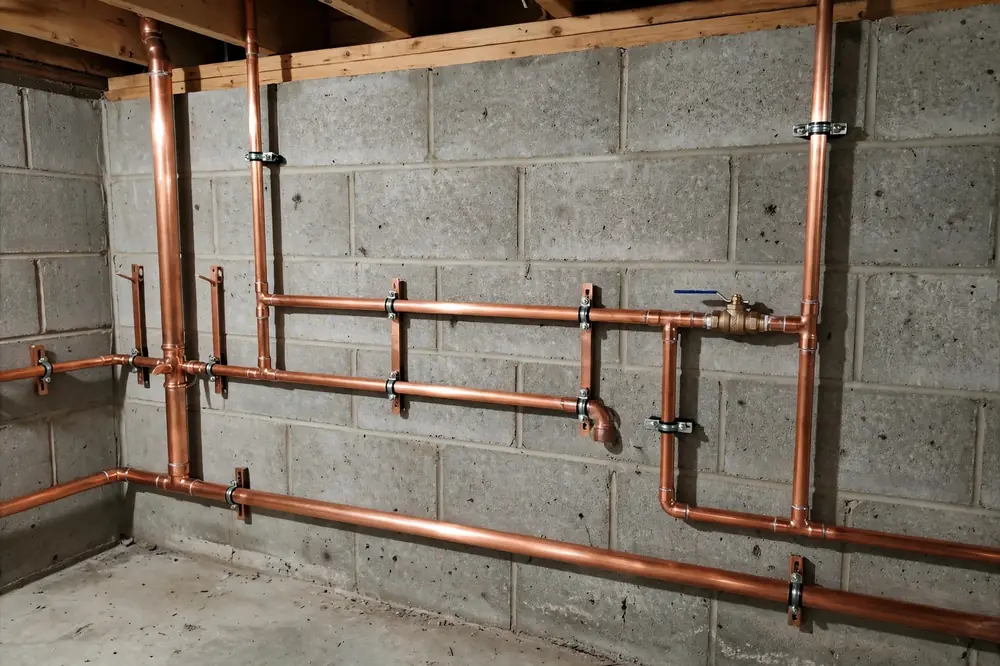
The photos below are illustrations of the difference a repipe makes. They are not photos of a real job.
 Before
 After
Whole-House Repiping FAQs
How do I know if I need a full repipe or just repairs?
Count the leaks and check the material. Galvanized or polybutylene pipes with two or more leaks in two years are telling you the system is done. A pro can inspect the pipe condition and give you an honest repair-versus-repipe comparison.
How long does a whole-house repipe take?
Two to five days for most homes. Larger or two-story homes take longer. Water is usually restored each evening. The crew should give you a day-by-day schedule before starting.
Will they tear up my whole house?
No. Pros cut small strategic openings to reach the lines, especially with flexible PEX that threads through walls. Expect some drywall patching afterward, which should be in the quote. Floors and finishes stay intact in most repipes.
Is PEX as good as copper?
For most homes, yes. PEX resists scale and freeze damage, installs with fewer leak-prone joints, and costs far less. Copper lasts longer on paper and suits some water chemistries better. A pro can recommend based on your water and budget.
Does repiping increase home value?
New plumbing is a strong selling point, especially in older homes. It removes a major inspection objection. Keep the paperwork showing the material and date.
Should I repipe only part of the house?
Partial repiping works when only one section is failing and the rest of the system is sound. If the material is galvanized or polybutylene throughout, partial work just moves the next leak to the next section. Partial repiping makes sense when only one section is failing and the rest of the system tests sound.
Do I need a water pressure regulator with new pipes?
High pressure shortens the life of any pipe system. A regulator protects new pipes from pressure spikes from day one. A regulator protects new pipes from pressure spikes from day one.
Should I map leaks before committing to a full repipe?
Yes. Leak detection maps every current leak before committing to a full repipe, so the quote covers the real scope.
Can I upgrade fixtures during a repipe?
Yes, and it is the cheapest time to do it. New valves and supply lines at each fixture during the repipe cost little extra while walls are open.
Will I be without water overnight?
Usually not. Most crews restore water each evening. Confirm the daily schedule before the job starts so you can plan around daytime shutoffs.
Related Pipe Services
How long does a whole-house repiping take?
It depends on the size of the home, the number of fixtures, and the pipe material. A small home takes less time than a large one. The pro gives you a timeline before work starts, including how water shutoffs will be handled each day.
Will I have water during the repiping?
The pro plans water shutoffs with you. Expect water to be off during work hours. Ask the pro about the daily plan before work starts, so you can plan showers, cooking, and laundry around it.
Should I repipe the whole house or just the worst section?
A partial fix costs less now but leaves old pipe in place. If leaks keep appearing in different spots, the system is aging out and a full repipe ends the cycle. The pro shows you the condition of the line and explains both options with prices.
End the Leak Cycle for Good.
Patching old pipes is renting time. A full repipe buys decades of quiet plumbing. The Deston connects you with independent local plumbers who repipe homes right, with clear quotes and clean work. Call today.
(888) 418-3086 Call NowThe Deston is a referral service that connects homeowners with independent local plumbers. We are not a plumbing company.