Hydro Jetting Services
Hydro jetting blasts away what snaking cannot. It uses water at very high pressure to scour the inside of drain and sewer pipes. Grease, sludge, soap, mineral scale, and even tree roots get cut loose and flushed out. The pipe is left nearly as clean as the day it was installed.
Clean the Whole Pipe, Not Just a Hole Through It
The Deston is a nationwide referral service that connects homeowners with independent local plumbers across all 50 states. We do not jet pipes ourselves. We match you with a local pro who owns the right equipment and knows how to use it safely.
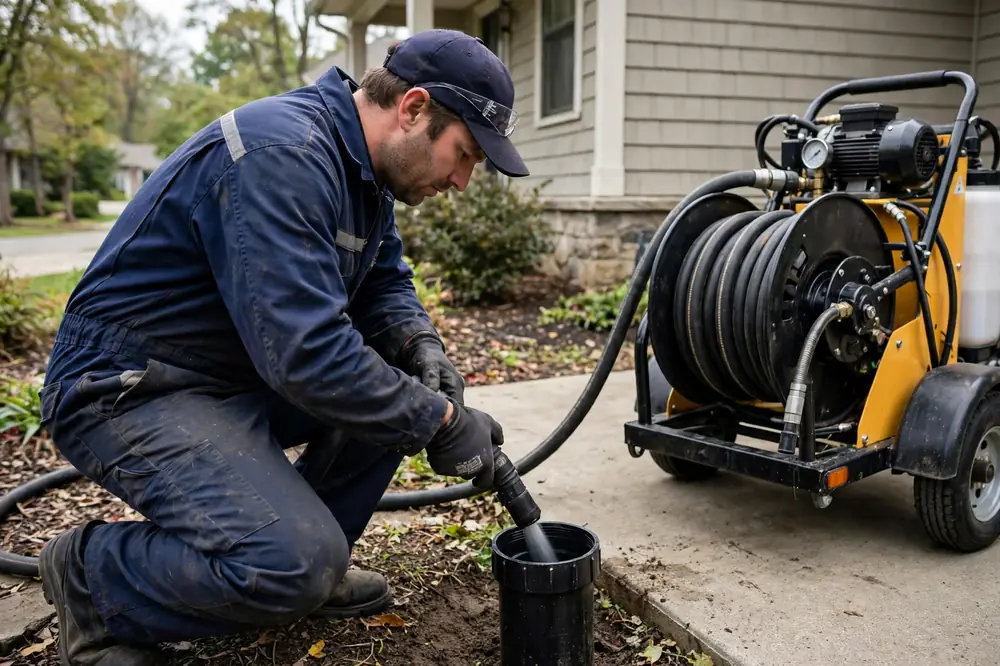
A plumber feeds a special hose into your drain line. The hose carries a nozzle with forward and backward jets. Water pressure ranges from about 1,500 PSI for gentle home lines up to 4,000 PSI or more for tough commercial jobs. The backward jets pull the nozzle through the pipe while the forward jets tear into the blockage. Everything loosens and washes downstream. A camera check afterward proves the line is clear from wall to wall.
Hydro jetting is a step above routine drain cleaning. A snake pokes a hole through a clog. Jetting cleans the full diameter of the pipe. That is why restaurants, apartment buildings, and homes with heavy grease problems rely on it. If your drains clog every few months no matter what you try, jetting may end the cycle for good.
Signs You Need Hydro Jetting
Jetting is the right tool when buildup, not a single clog, is the problem.
Clogs keep coming back in the same line
A snake clears the blockage but leaves grease and sludge on the walls. New waste sticks to the old film and the clog reforms. Jetting strips the walls clean.
Kitchen drains run slow no matter what
Grease hardens on pipe walls over years. Hot water and store cleaners cannot dissolve the layers. A jetter cuts through them.
Tree roots keep growing into the sewer line
Snakes clip roots but leave stumps that regrow fast. Root-cutting jetter nozzles grind them out completely, buying years of clear flow.
Foul smells rise from drains
Rotting sludge and food waste coat the pipe interior and breed odor. Jetting washes the coating away instead of masking the smell.
Multiple fixtures drain slowly
When the whole house slows down, the main line is narrowing from buildup. Jetting restores the full diameter so everything drains fast again.
Commercial kitchen lines back up
Restaurants and food trucks push fat, oil, and grease into drains all day. Scheduled jetting keeps these lines open and health inspectors happy.
Scale buildup in hard-water areas
Mineral scale narrows pipes in homes with hard water. High-pressure water breaks scale loose without chemicals.
Home purchase inspection shows dirty lines
Camera footage from a home inspection often shows years of sludge. Jetting before move-in gives you a clean start.
Slow drains after a snake visit
If a snake cleared the clog but drains still run slow, buildup remains on the walls. Jetting finishes what the snake started.
How Hydro Jetting Works
A pro treats jetting as a precision job, not a blast-and-hope job.
- 1
We connect you with a local jetting pro
Call (888) 418-3086. Describe the problem. We refer you to an independent plumber near you with jetting equipment.
- 2
The plumber inspects the line first
A sewer camera inspection confirms the pipe can take the pressure. Jetting is never used on cracked, collapsed, or fragile pipe without a plan.
- 3
The crew sets up the jetter
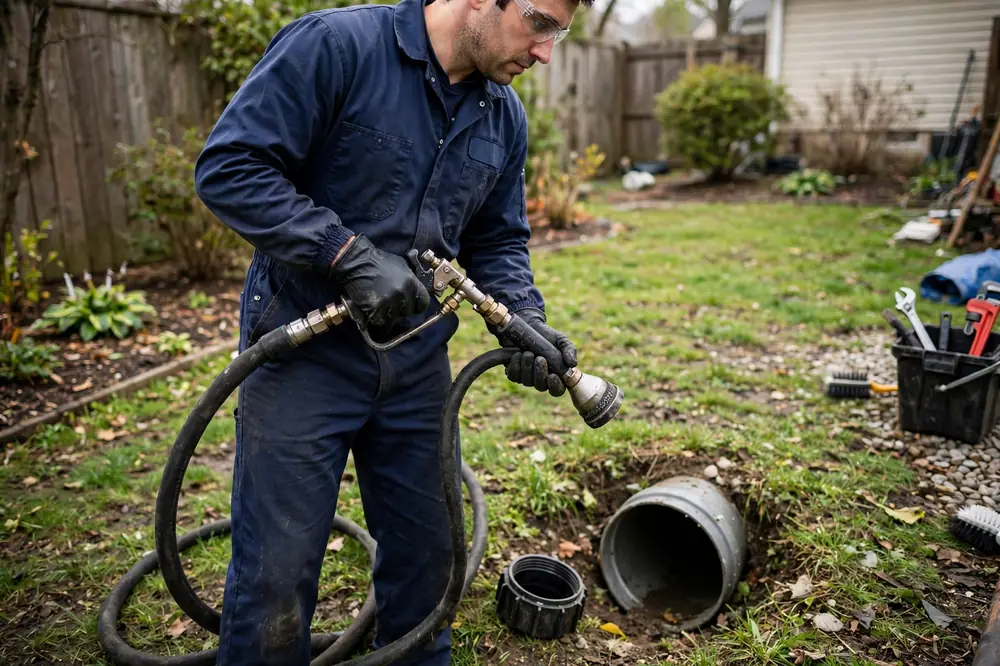
A trailer-mounted or portable unit pumps water from a tank or hose bib. The tech picks the right nozzle for your pipe size and blockage type.
- 4
The hose goes in through a cleanout
Cleanouts give direct access to the line. Without one, the tech may pull a toilet or work from a roof vent. The setup is controlled and contained.
- 5
High-pressure water scours the pipe
The tech feeds the hose downstream in steady passes. Grease, sludge, scale, and roots break loose and wash out. The tech watches flow and feel to know when the pipe is clean.
- 6
A second camera pass confirms the result
The plumber runs the camera again. You see clean pipe walls on the monitor. If anything remains, the tech makes another pass.
- 7
Care tips and a maintenance plan
The pro tells you what caused the buildup and how to slow it. Many homes benefit from jetting every one to two years. Restaurants may need it every three to six months.
Types of Hydro Jetting and Your Options
Pressure, nozzle, and machine size all change with the job. A good tech matches them to pipe condition, not to the biggest number.
Residential jetting
Electric and compact gas jetters handle 1.5-inch to 4-inch home lines at lower pressures. These suit kitchen sinks, main house lines, and laundry drains.
Commercial jetting
Truck-mounted units deliver higher pressure and far more water volume. They clean 6-inch to 12-inch lines in restaurants, hotels, and apartment buildings fast.
Nozzle choices
Penetrating nozzles punch through solid blockages. Flushing nozzles rinse the pipe clean. Rotating nozzles spin to scrub walls. Root-cutting nozzles shred root masses. Your pro picks the nozzle for the job, not the other way around.
Pressure levels
Delicate lines get 1,500 to 2,000 PSI. Standard home lines get 2,500 to 3,500 PSI. Heavy commercial blockages may need 4,000 PSI or more. Higher is not always better. A good tech matches pressure to pipe condition.
Jetting plus camera
The best jobs pair jetting with a before-and-after camera look. The footage proves the work and catches pipe damage the buildup was hiding. Ask for this combo when you book.
Jetting for grease trap lines
Kitchen drain lines downstream of grease traps clog with hardened fat. Jetting is the standard fix. Many food businesses pair trap cleaning with line jetting on one visit.
Is Jetting Safe for Old Pipes?
It can be, with the right setup. The danger comes from high pressure on weak pipe. A responsible plumber always runs a camera first. If the camera shows solid pipe, the tech uses a pressure the pipe can handle. Older but intact cast iron and clay lines get jetted at lower pressure with the right nozzle.
If the camera shows cracks, collapse, or missing sections, jetting is off the table until the pipe is fixed. That is why the inspection step matters. Never hire anyone who wants to jet before looking. Jetting cannot fix a collapsed pipe. High pressure on a collapsed section can make things worse by blasting soil into the line. If the camera shows a break, sag, or collapse, the plumber will recommend repair or replacement instead. For broken pipes, look at sewer line replacement or trenchless options.
Jetting is also one of the cleanest plumbing services there is. The work happens inside the pipe. Water and debris wash downstream to the city sewer or septic tank. The tech controls the hose at the cleanout, which is usually outside or in a utility area. Some splashback can occur at the entry point, so pros lay down protection and clean up after. There is no digging and no torn-up yard.
What Hydro Jetting Costs
Prices depend on line length, blockage severity, access, and whether a camera inspection is included. Common ranges in the United States:
| Job | Typical range |
|---|---|
| Standard residential line, single main line jetting | $250 to $600 |
| Heavy buildup or root removal, often with camera time | $500 to $1,000 |
| Commercial lines, per visit | $500 to $1,500 |
| Emergency jetting, same-day or after-hours | $400 to $900 |
Before and After: Inside the Pipe
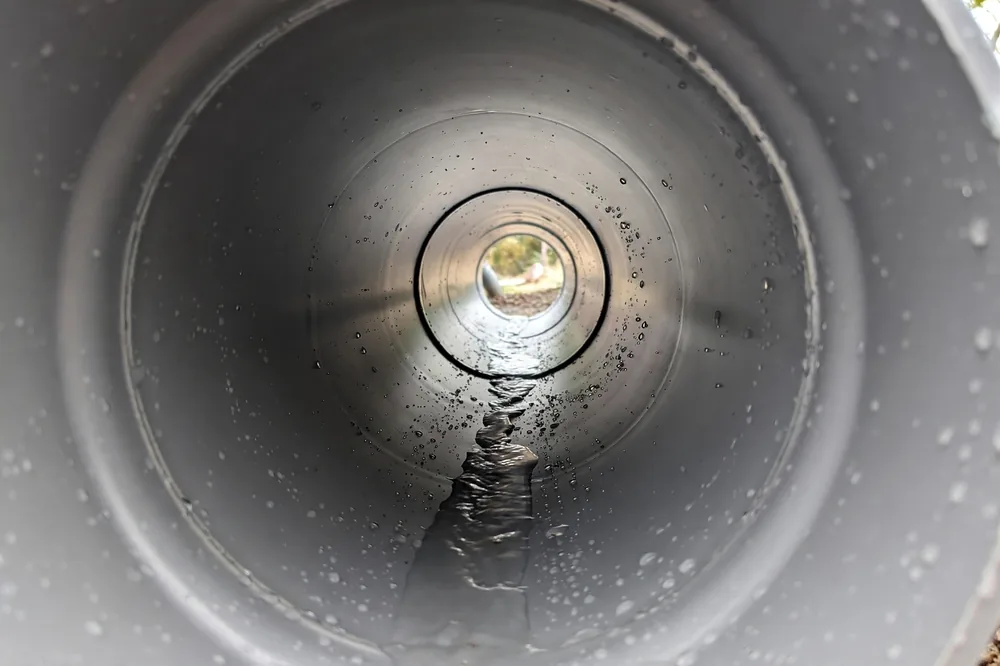
The photos below are illustrations of the difference jetting makes inside a pipe. They are not photos of a real job.
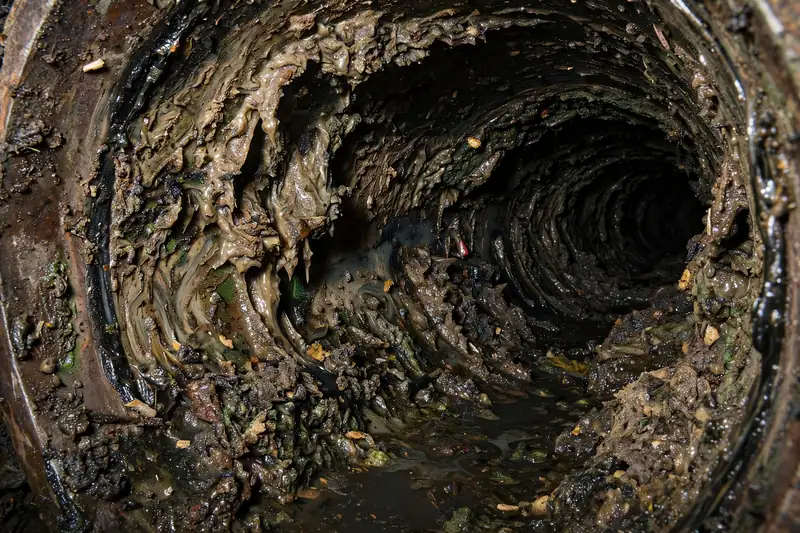 Before
 After
Roots will grow back in time, often within one to two years, since jetting does not seal the cracks the roots came through. Think of jetting as the best upkeep tool for root-prone lines, not a permanent cure. If roots return constantly, ask about a sewer line repair or replacement that seals the entry points for good.
Frequently Asked Questions
Is hydro jetting safe for old pipes?
It can be, with the right setup. The danger comes from high pressure on weak pipe. A responsible plumber always runs a camera first. If the camera shows solid pipe, the tech uses a pressure the pipe can handle. Older but intact cast iron and clay lines get jetted at lower pressure with the right nozzle. If the camera shows cracks, collapse, or missing sections, jetting is off the table until the pipe is fixed.
What is the difference between hydro jetting and snaking?
A snake punches a hole through a blockage. It clears a path but leaves buildup on the pipe walls. Grease and sludge stay behind, so clogs often return. Hydro jetting washes the entire pipe wall clean. Water at high pressure strips away years of grease, soap, scale, and roots. The line ends up close to its original diameter. Snaking is cheaper and fine for a simple clog. Jetting is the better fix for repeat clogs and heavy buildup. Many pros snake first to open the line, then jet to finish the job.
Will hydro jetting remove tree roots?
Yes, when done with a root-cutting nozzle. These nozzles shred root masses inside the pipe and flush the pieces out. Jetting removes more root material than a snake because it cleans the full pipe wall where roots cling. It will not seal the cracks the roots came through. Roots will grow back in time, often within one to two years.
How long does hydro jetting take?
Most home jobs take one to two hours from setup to cleanup. Heavy root jobs or long commercial lines can take three to four hours. The camera inspection adds about 30 minutes. There is no drying or curing time. You can use your drains the moment the crew packs up.
How often should I have my lines jetted?
It depends on what flows through them. A typical home with a history of clogs does well with jetting every one to two years. Homes with large trees near the sewer line may need it yearly. Restaurants and commercial kitchens often jet every three to six months because grease builds up fast. If your lines run clear and never clog, you may never need it.
Is hydro jetting messy?
Not when done right. The work happens inside the pipe. Water and debris wash downstream to the city sewer or septic tank. The tech controls the hose at the cleanout, which is usually outside or in a utility area. Some splashback can occur at the entry point, so pros lay down protection and clean up after. There is no digging and no torn-up yard.
Can hydro jetting fix a collapsed pipe?
No. Jetting cleans pipes. It cannot fix broken pipes. High pressure on a collapsed section can make things worse by blasting soil into the line. This is exactly why a camera inspection comes first. If the camera shows a break, sag, or collapse, the plumber will recommend repair or replacement instead.
Do I need a cleanout for jetting?
A cleanout makes the job faster and cleaner, since the hose goes straight into the line. Without one, the tech may pull a toilet or work from a roof vent. Ask your pro whether adding a cleanout makes sense for future visits.
Will jetting clear a grease clog for good?
Jetting clears the grease that is there, but new grease will build again if it keeps going down the drain. Wipe pans into the trash, and the next jetting visit moves years away instead of months.
Can I use drains right after jetting?
Yes. There is no drying or curing time. You can use your drains the moment the crew packs up, and the camera video shows the clean result.
More Drain and Sewer Help
Drain Cleaning | Sewer Camera Inspection | Sewer Line Repair | Emergency Plumber | All Services
Stop Fighting the Same Clog Over and Over.
If buildup is choking your lines, jetting may clear it in one visit. Call now and we will connect you with a local pro who can camera-inspect your line and jet it clean.
(888) 418-3086 Call NowThe Deston is a referral service that connects homeowners with independent local plumbers. We are not a plumbing company.