

Drain Pipe: a Complete Homeowner’s Guide
A drain pipe carries used water from sinks, tubs, and toilets out of your home. You rarely see most of these pipes. They hide in walls, floors, and crawl spaces. Yet they shape how well every fixture drains each day. This guide explains drain pipe types, sizes, and care. You will learn warning signs and when a pro should take a look.
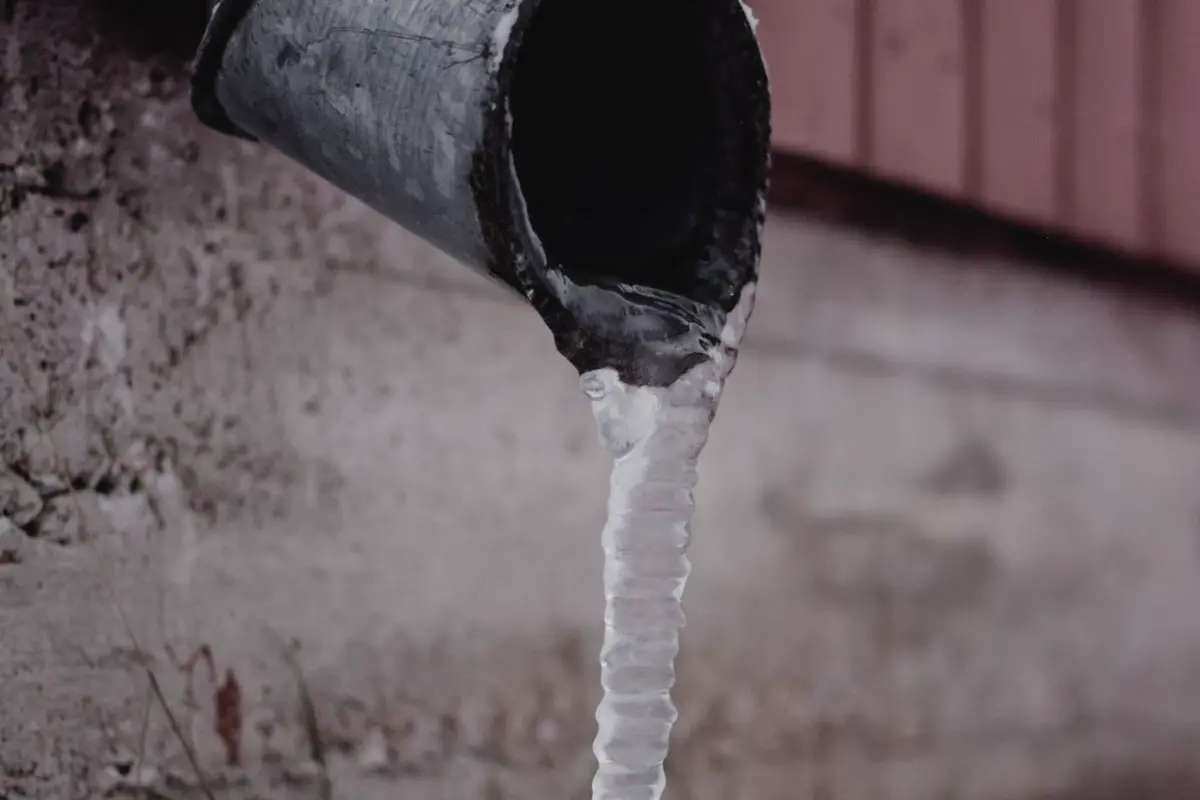
What a Drain Pipe Does
A drain pipe moves waste water by gravity alone. It slopes down a bit toward the main sewer line. That slope lets water flow with no pump help. Too little slope leaves waste sitting in the pipe. Too much slope lets water outrun solids in the flow. Solids left behind build clogs over time. Pros set slope with care for steady flow.
Each fixture drain joins a larger branch line in the home. Branch lines join the main stack or main drain. A stack is a tall vertical pipe that serves floors above. The main drain leaves the home toward the sewer or septic tank. Vents join the drain path to let air in and out. Air keeps water seals in traps from siphoning dry. A dry trap lets sewer gas into rooms fast.
Drain pipes differ from supply pipes in key ways. Supply pipes carry clean water under pressure to taps. Drain pipes carry waste water with no pressure at all. Drain pipes run wider to pass solids with ease. Joints in drain pipes must seal against leaks and gas. A supply leak sprays, while a drain leak seeps slow. Slow seeps can harm wood for months unseen.
Common Drain Pipe Materials
PVC is the most common drain pipe in new homes. PVC stands for a hard white plastic pipe type. It resists rust and costs less than metal pipes. It joins with solvent glue that bonds joints fast. PVC suits most sink, tub, and toilet drains well. It can warp under very hot water over time. Keep high heat sources away from PVC runs.
ABS is a black plastic pipe used in many homes too. It joins with a similar glue method as PVC. ABS holds up well under impact and cold temps. Some towns allow ABS, while others favor PVC instead. Check local code before you mix pipe types. Mixed joints need special fittings to seal right. A pro can tell you what your town allows.
Cast iron served older homes for many decades. It runs quiet and holds up under heavy loads. It rusts inside with age and grows rough walls. Rough walls catch debris and narrow flow paths. Copper drains serve some older homes as well. Copper resists rust but costs more than plastic. Galvanized steel drains rust fast and clog with ease. A pro can map your pipe types with a quick look.
Sizes and Why They Matter
Sink and tub drains often run one and a half inches wide. Toilet drains often run three or four inches wide. Wider pipes pass solids with less clog risk. A narrow pipe on a toilet line clogs with ease. A wide pipe on a sink line can drain too slow. Slow drains leave solids sitting in the line. Size must match the fixture it serves.
Branch lines grow wider as more fixtures join them. A branch with three baths needs more width than one bath. Main drains run four inches wide in most homes. That width serves the whole home load at once. Undersized mains back up during peak use times. Peak use means mornings when many showers run. A pro can size lines from fixture counts with ease.
Do not shrink a drain line to fit a tight space. A shrink point acts like a dam for solids. It will clog again and again through the year. Use proper fittings that keep the full width open. Reducers suit vent lines, not waste drain runs. If space is tight, reroute with care instead. A clean full width path beats a cramped choke point.
Traps, Vents, and Slope
A trap is the curved bend under each fixture drain. It holds water to block sewer gas from rooms. P traps suit sinks and tubs in most homes. S traps served old homes but can siphon dry fast. A siphoned trap loses its water seal with ease. Then gas and smells flow straight into rooms. Keep traps full by using each fixture on a plan.
Vents are pipes that rise through the roofline. They let air into drains so water flows smooth. They also let sewer gas out above the roof. A blocked vent slows drains all through the home. Birds, nests, and ice can block vent tops. A pro can clear a vent from the roof with care. Do not cap a vent to stop a smell indoors. Capping harms drain flow through the whole home.
Slope, or fall, sets drain speed in each run. Pros aim for about a quarter inch per foot. That rate moves water and solids as one flow. Flat runs pool waste and breed smells fast. Steep runs strand solids while water rushes past. Long runs need hangers to hold slope with time. Sagging runs pool waste and clog with ease. Check for sags in crawl spaces each year.
Warning Signs of Drain Pipe Trouble
Slow drains in many fixtures warn of a shared line fault. One slow sink may be a local clog alone. Many slow fixtures point to a branch or main fault. Gurgling sounds when a toilet flushes warn too. Bubbles in a tub when a sink drains warn as well. These signs mean air cannot move free in the line. A vent fault or a partial clog may be at play.
Sewer smells indoors warn of a dry trap or a crack. Pour water in rarely used drains each month. Floor drains and guest baths dry out with ease. If smells stay after that, a crack may be at play. Damp spots on walls or ceilings warn of leaks too. A drain leak seeps slow and stains with time. Musty smells near walls warn of hidden damp harm.
Repeated clogs in one line need a deeper check. A camera check shows cracks, roots, and sags inside. Roots enter through tiny cracks in old lines. They grow into mats that trap waste with ease. A sag holds waste and breeds repeat clogs fast. Fixing the pipe beats clearing the same clog monthly. Our sewer camera inspection page explains camera checks in depth.
Care and Prevention
Keep grease, wipes, and cotton out of all drains. Grease hardens in cool pipes and narrows flow. Wipes snag on joints and build mats with time. Cotton clumps and catches on rough pipe walls. Scrape food into trash before you rinse plates. Use strainers in sinks, tubs, and showers each day. Strainers catch hair and bits before they reach pipes.
Flush drains with hot water each week for light care. Hot water melts soap scum and light grease films. Do not use harsh chemicals as a weekly habit. Chemicals can harm old pipes and kill septic germs. Enzyme cleaners suit septic homes with more care. Enzymes are agents that break down organic waste slow. They help light buildup but cannot clear hard clogs. Use them as care, not as a cure.
Check exposed pipes each year for leaks and sags. Look under sinks and in crawl spaces with a light. Feel joints for dampness during your check. Tighten loose hangers so slope stays true. Replace cracked fittings before they leak more. Small checks stop big harm under floors. Log each check with date and spots seen.

Repair or Replace: How to Choose
A single cracked fitting can be repaired on its own. A pro can cut out the bad section and fit new pipe. Spot repairs suit young pipe systems with one fault. They cost less and finish fast in most cases. Ask the pro to check nearby joints during the visit. Nearby joints of the same age may fail soon too. A short look now can stop a second visit.
Full line renewal suits old systems with many faults. Rust, sags, and root breaks across a line warn of age. Patching each fault in turn costs more over time. A new line resets the clock for decades of use. Trenchless methods can renew lines with less digging. A trenchless fix lines the old pipe from inside. It suits some lines but not collapsed runs. A camera check tells you which method fits.
Never pour grease down a drain, even with hot water. Grease hardens downstream and traps waste. Scrape it into trash instead, each time.
Costs to Expect
Spot repairs cost far less than full line renewal. A fitting swap visit can stay modest in most homes. Camera checks add a fee but guide smart choices. National averages put a drain camera check at $150 to $400. Line renewal costs vary much by length and depth. Ask for line item prices before you approve work. A clear quote stops surprise costs at the end.
Access shapes cost more than most owners expect. Pipes under slabs cost more to reach than open runs. Pipes in crawl spaces cost less than pipes in walls. A pro should explain access costs in the quote. The Deston can connect you with an independent local plumber. That plumber can walk your home and price the job. Full facts lead to fair prices for all.
Pipe Noises and What They Mean
Gurgling drains often mean air cannot move free in the line. A vent block or a partial clog can cause the sound. Listen for gurgles when a nearby fixture drains fast. A toilet flush that gurgles a tub drain warns of a shared fault. Note which fixtures gurgle and share the list with a pro. A clear list speeds the fault hunt a lot.
Banging pipes, called water hammer, come from fast valve shutoffs. Water hammer is a shock wave in a pipe when flow stops fast. It can loosen joints and crack old fittings over time. Air chambers or hammer arrestors absorb that shock wave. An arrestor is a small device that cushions pressure spikes. A pro can fit arrestors near fast valves like washers. Do not ignore bangs that grow louder each week.
Ticking or creaking sounds often come from pipes that expand with heat. Hot water makes metal and plastic pipes grow a bit. Tight straps rub as pipes grow and shrink again. Loose straps or foam wraps can quiet most ticks. Ticks alone rarely mean a leak or a break. Pair ticks with damp spots, and call a pro fast. Sounds plus dampness point to a real fault.
Rushing sounds with no tap open warn of a hidden leak. A toilet valve that leaks makes a soft hiss at night. A supply leak inside a wall makes a faint rush too. Check the water meter for flow when all taps are off. Flow with taps off means water escapes somewhere. Shut off zones one by one to narrow the spot. A pro can trace the leak with sound gear if needed.
What Is the Best Drain Pipe Material?
PVC suits most new drain work for cost and rust resistance. Cast iron suits quiet runs in shared walls. The best pick depends on code, noise needs, and budget.
Why Do Many Drains Run Slow at Once?
Many slow drains point to a shared branch or main fault. A vent fault can slow drains too. A camera check can show the true cause fast.
How Do I Stop Drain Pipe Clogs?
Keep grease, wipes, and cotton out of drains. Use strainers and flush with hot water weekly. Fix slow drains fast before they turn into full clogs.
When Should I Call a Plumber?
Call a pro for sewer smells, damp walls, or repeat clogs. Call too when many fixtures drain slow at once. Read our plumbing blog for more pipe guides. Our drain cleaning page covers pro clearing visits. The drain snake guide helps with small clogs at home. For breaks and sags, drain repair help can fix the line. The drainage pipe guide covers outdoor pipes in depth. Our drain auger guide explains cable tools with care. A plumbing inspection can map pipe types and weak spots. For urgent backups, an emergency plumber can respond fast.
The Deston is a referral service that connects homeowners with independent local plumbers. We are not a plumbing company.
One Comment
Comments are closed.